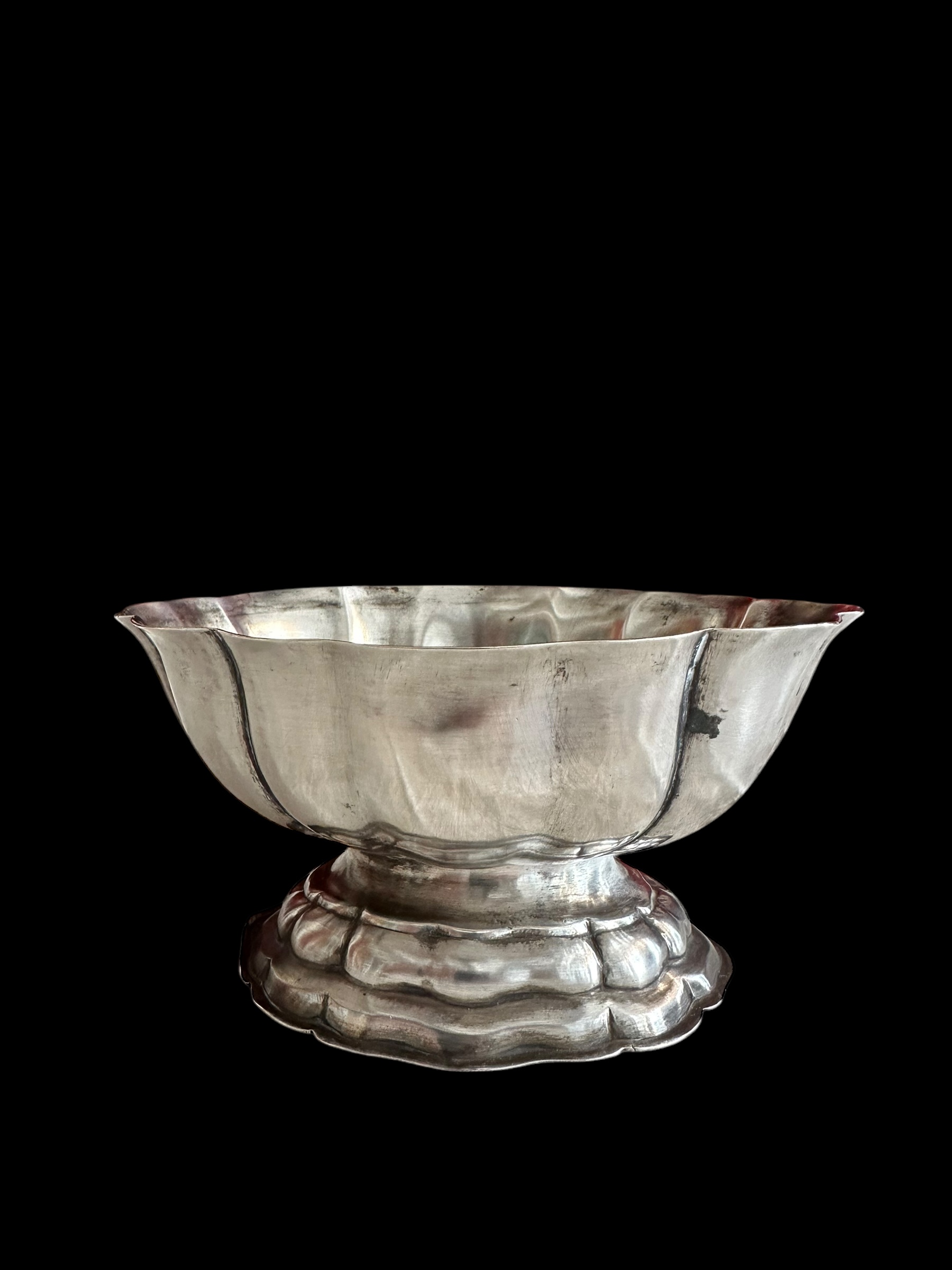
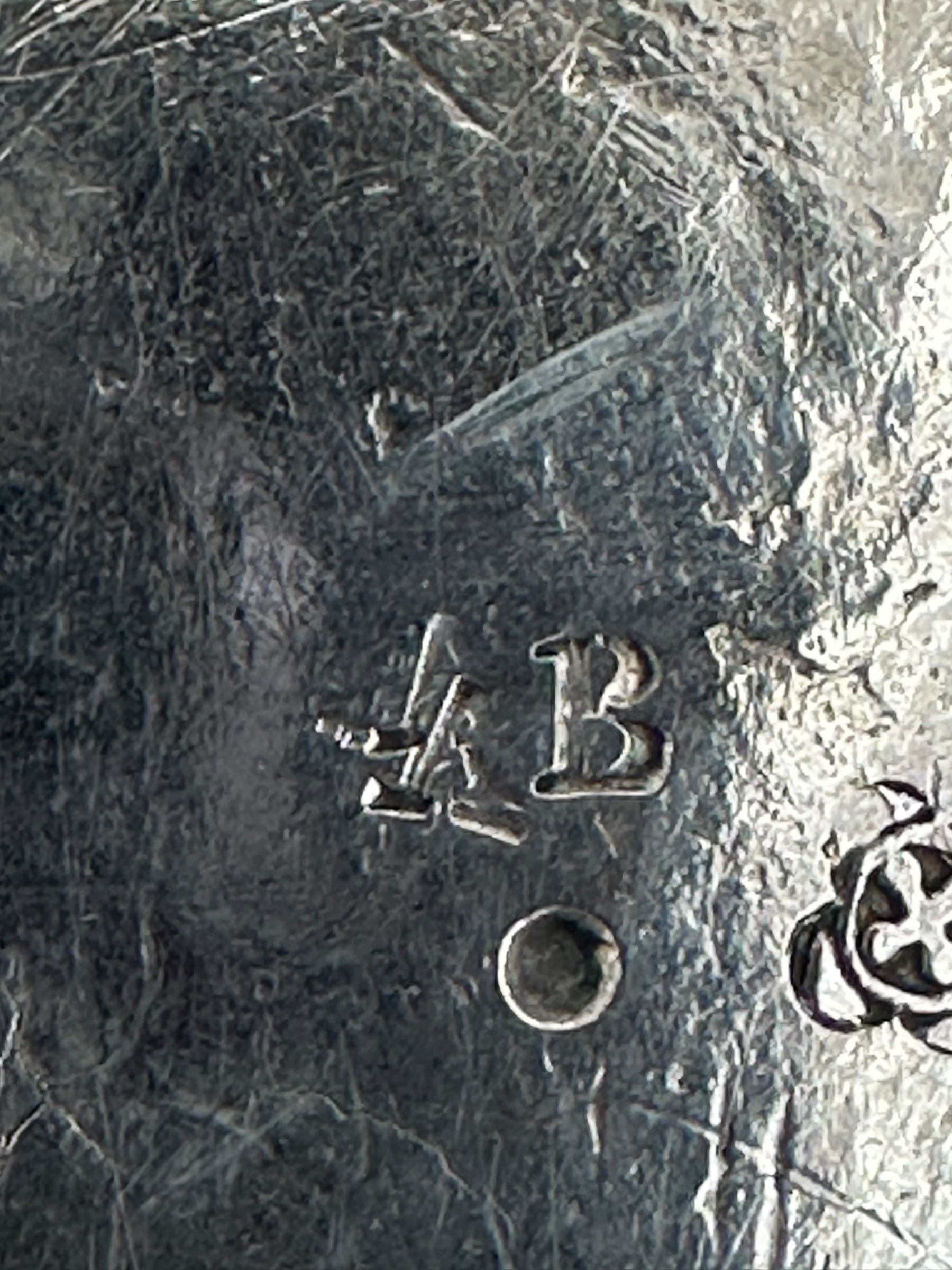
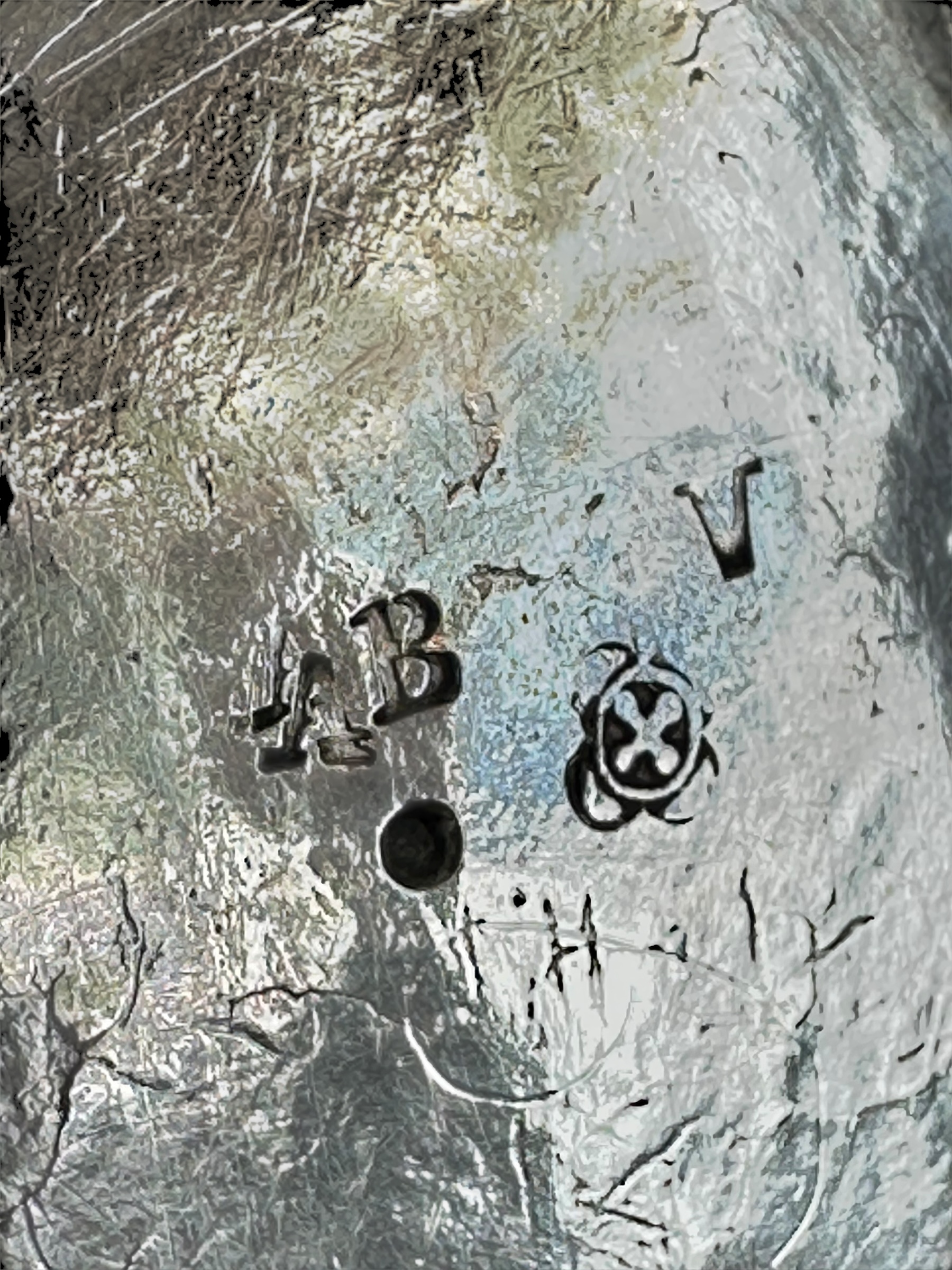
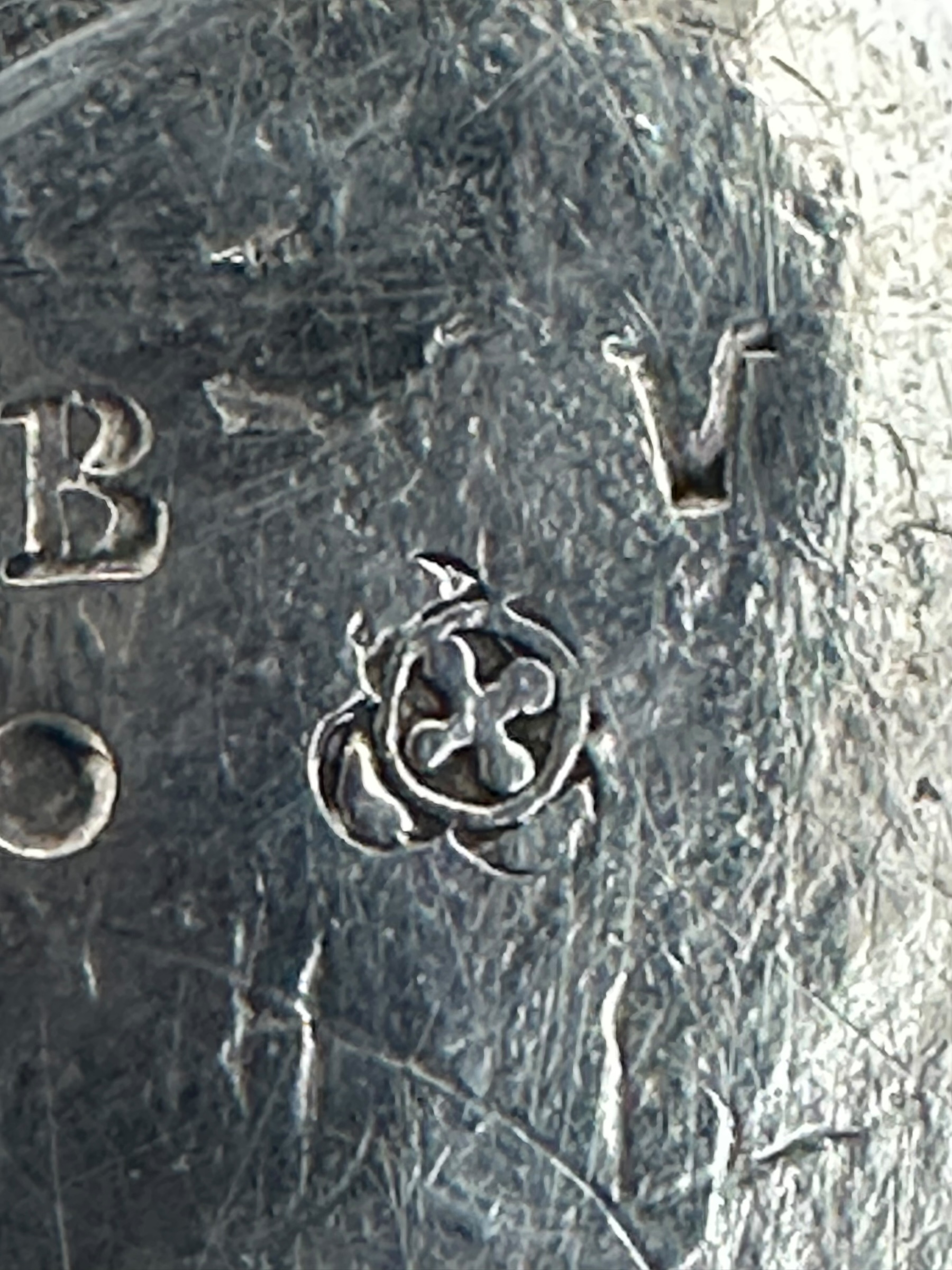
Can anyone help identify ?
Country ? City ? Year ?
grid]
[/grid]
1 Like
Looks like some kind of Dutch… But it’s unknown to me.
2 Likes
Hi !
I don’t think it’s Dutch , maybe German .
Still looking for more information
Many thanks 
1 Like
Being new to how tell its silver on this board, I ask does anyone scratch test with a stone and acids (non invasive)? I believe in England if the silver is not properly Hallmarked it must be sold as white metal. I’ve been collecting and selling silver for about 40 years, still learning everyday. There are many countries that hallmark to their standards and in the USA it should say sterling or 925 if it is. There is also 800 silver ect. Yet I know there is silver coming in from China and India marked 925 that is not sterling, mostly jewelry especially chains and findings. All in all I do test some items with acid. What is the general opinion of non invasive acid testing?
2 Likes
Nobody answered your question. Here are current thoughts on testing:
Testing silver involves methods ranging from simple at-home checks to professional, destructive analysis. Key methods include the magnet test (silver is non-magnetic), ice test (rapid thermal conductivity), hallmark checks (looking for .925, .900), and density calculation via water displacement. The most accurate non-destructive methods are XRF scanners, while chemical acid testing provides immediate identification.
At-Home Testing Methods
- Magnet Test: Use a strong rare-earth (neodymium) magnet. Real silver is not magnetic; if it sticks, it is likely steel or nickel.
- Ice Test: Place an ice cube on the silver. Because silver has the highest thermal conductivity of any metal, the ice will melt almost instantly, even at room temperature.
- Hallmark Check: Examine for stamps like “925” (Sterling), “900”, or “999” (Fine) with a magnifying glass.
- Sound Test (Pings): Tap the piece with a metal item. Silver produces a high-pitched, long-lasting bell-like tone.
- Odor Test: Genuine sterling silver has no odor. If it smells like copper or iron, it is likely plated.
- Polish/Cloth Test: Rub with a white cloth. Black residue (tarnish) indicates real silver, as it reacts with air over time.
- Bleach/Vinegar Test: A small drop of bleach or vinegar causes real silver to tarnish or oxidize quickly.
Professional & Scientific Methods
- Specific Gravity/Density Test: Measures density by weighing the item dry, then submerged in water. Pure silver should have a specific gravity of roughly 10.49.
- XRF Scanner (X-ray Fluorescence): A handheld gun (often called an XRF gun) shines X-rays on the item to give an instant digital readout of the exact metal composition without damaging it.
- Acid Test (Schwerter’s Solution): A tiny drop of acid (nitric acid/potassium dichromate) is applied to the metal. The color change indicates the silver content.
- Density/Density Calculation: Similar to specific gravity, using water displacement to determine the weight-to-volume ratio.
- Fire Assay: The most accurate method, often used by refineries. The sample is heated to extreme temperatures, separating silver from base metals.
Key Tips for Accuracy
- Check for plating: Use a file on an invisible spot to check if the interior matches the surface, as silver-plated items can pass magnet tests.
- Use Magnets: A common fake will quickly stick to a strong magnet.
- Do Not Rely on One Method: Combine a magnet test with a stamp check and ice test for higher certainty.
CRWW
1 Like