2 Likes
Chris, please add your picture of the front of the piece to this post by using “Reply” rather than starting a new topic which will get separated from this one and lose context. Note: I have deleted your post with the picture.
2 Likes
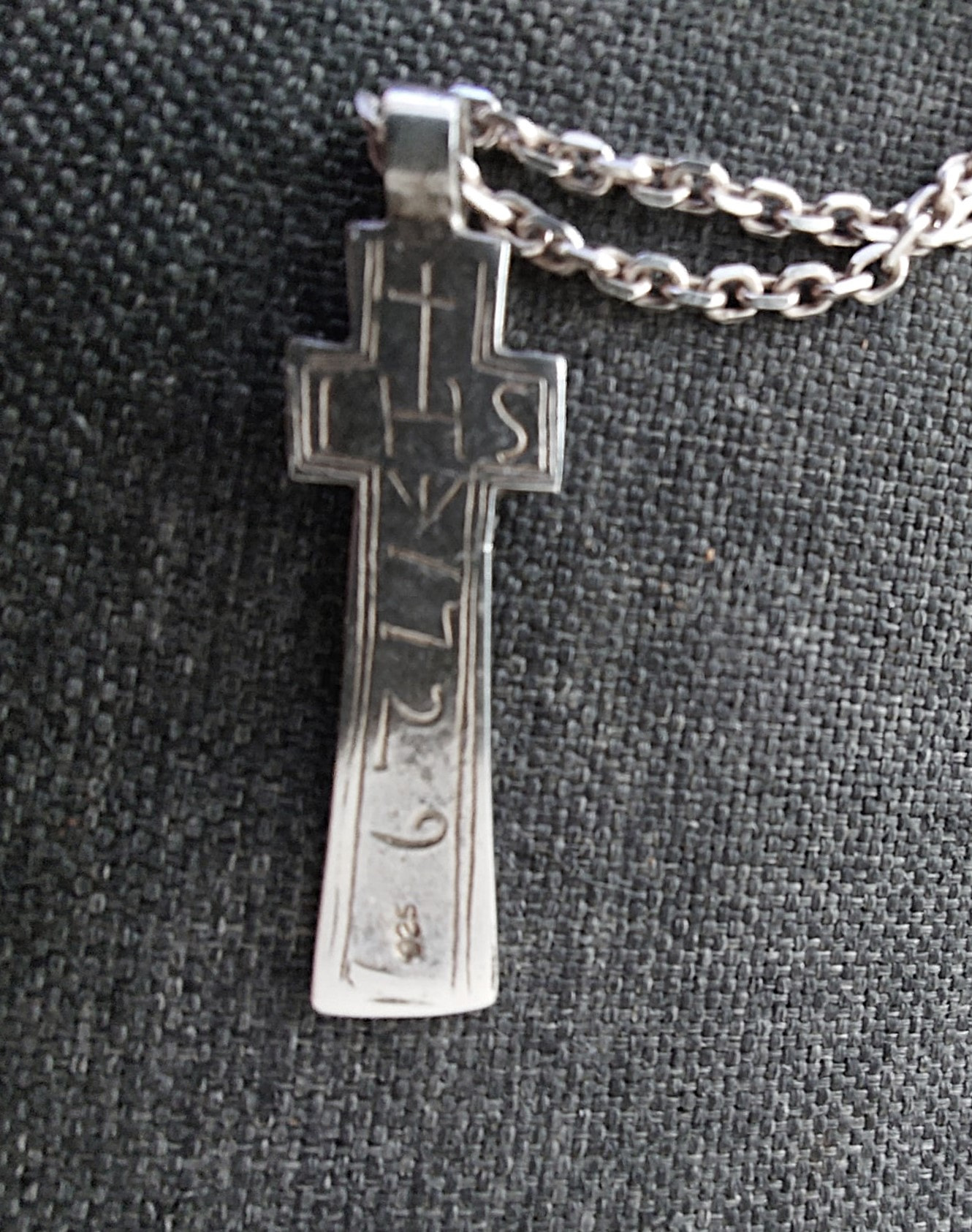
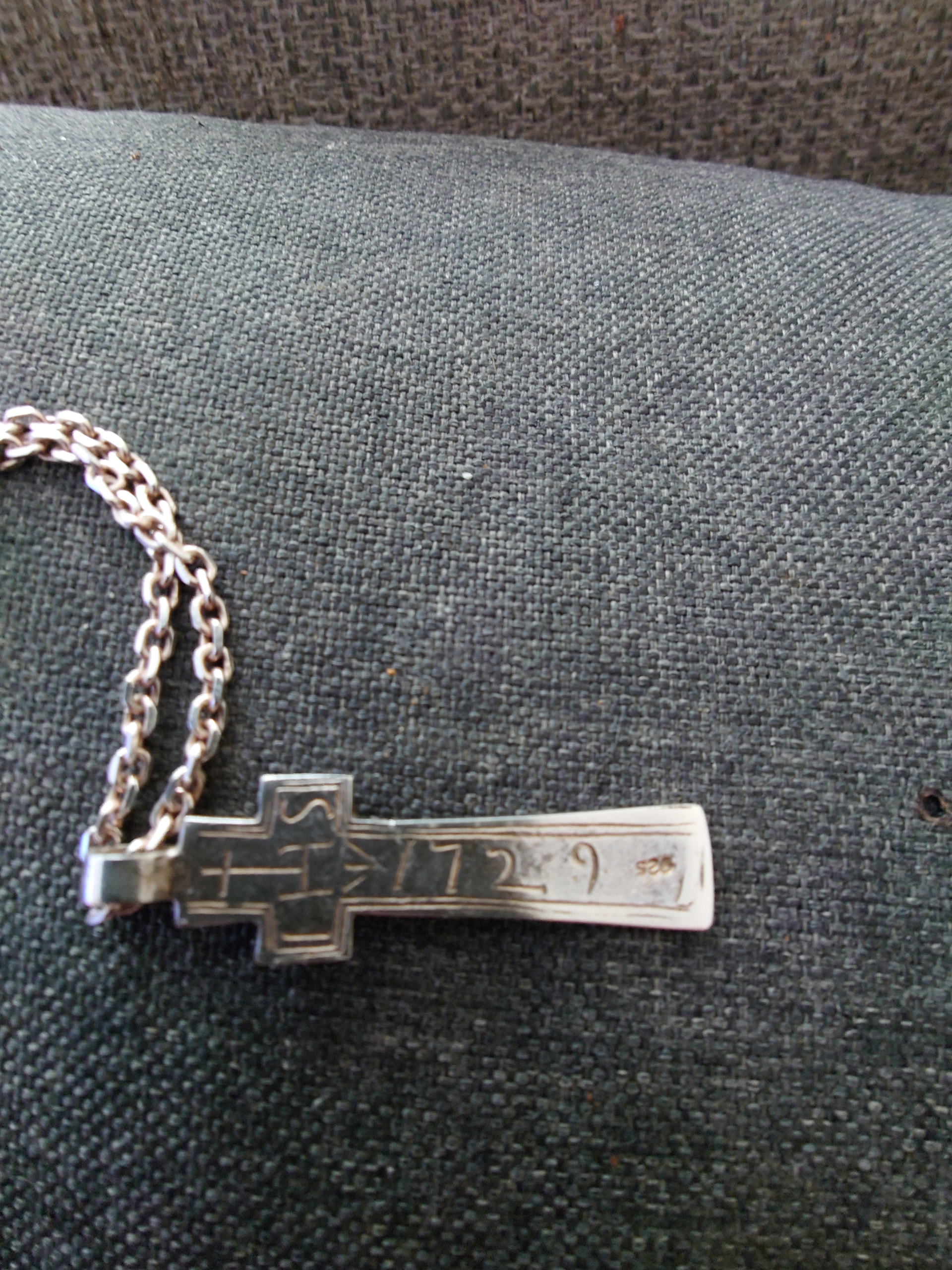
IHS - I (Iota), H (Eta), S (Sigma) - Iesus Hominum Salvator “Jesus, Savior of Mankind”.
925 - silver, commonly known as sterling silver, means an item is made of 92.5% pure silver mixed with 7.5% of other metals (typically copper). This alloy provides the ideal balance, ensuring the metal remains strong, durable, and resistant to bending while keeping its signature bright, brilliant shine.
1729 (assuming it is an annual date) has many meanings in Christianity.
And by the way, I agree with Phil’s request.
1 Like
1729 a bible reference maybe !!! 
1 Like

Hi Chris:
You have been provided with a useful synoptic of selected information an AI Google search of the image kicks out. While it’s not inaccurate and certainly provided you with the generally accepted meaning of the three letters and the symbol you queried, it does not really address two rather crucial points about which an owner might wish additional information.
First the significance of the date and secondly, if that is a contemporary inscription or something done much later.
The .925 or sterling mark wasn’t much used in Greek refining until after WWII. In Italy it was mandated for use from 1934 onwards when the fascist government confiscated all private silver, melted it down and resold it to finance their war efforts especially in Ethiopia. Generally Italian .925 marks of this and later vintage are in an oblong. This isn’t.
Not that I have no reason to suppose this is either Greek or Italian except given the date it might be.
Another AI search tells us 1729 saw the official recognition of the Melkite Greek Catholic Church by Pope Benedict XIII, formalizing the 1724 schism within the Orthodox Patriarchate of Antioch when Pope Benedict XIII recognized Cyril VI, creating the Melkite Greek Catholic Church.
The segment of the church that rejected communion with Rome remained Eastern Orthodox, establishing the modern Greek Orthodox Patriarchate of Antioch.
Since the inscription is almost certainly much later, indeed the cross itself is much later, that increases the likelihood it is a celebrating moment in the history of the church rather than a personal milestone and I suppose the group with the greatest reason to celebrate the joinder with the Roman Church would be the Melkite Greek Catholics.
Making it not entirely beyond reason that this is a Melkite Greek Catholic Church Cross made in Greece but after WWII
Chris Wilson
Toronto.
1 Like