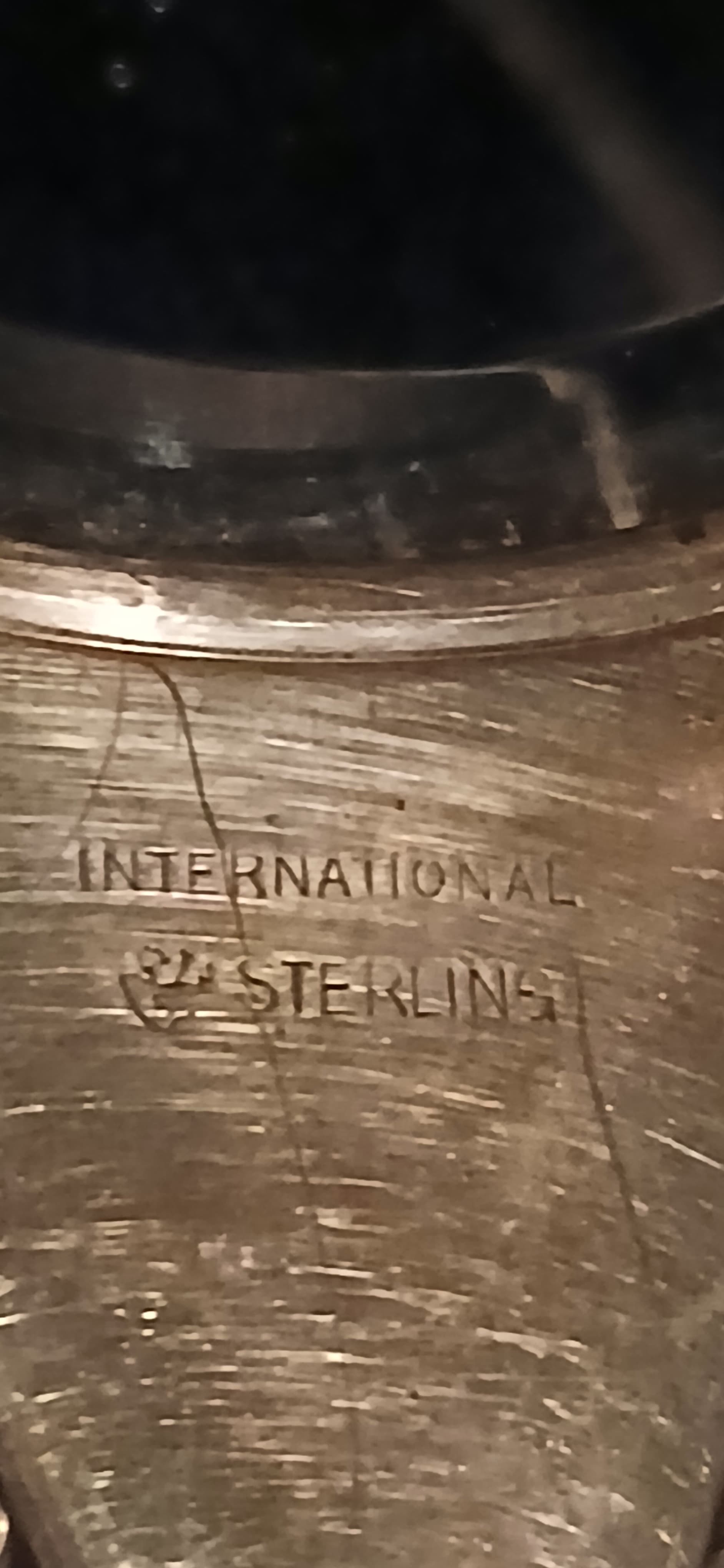
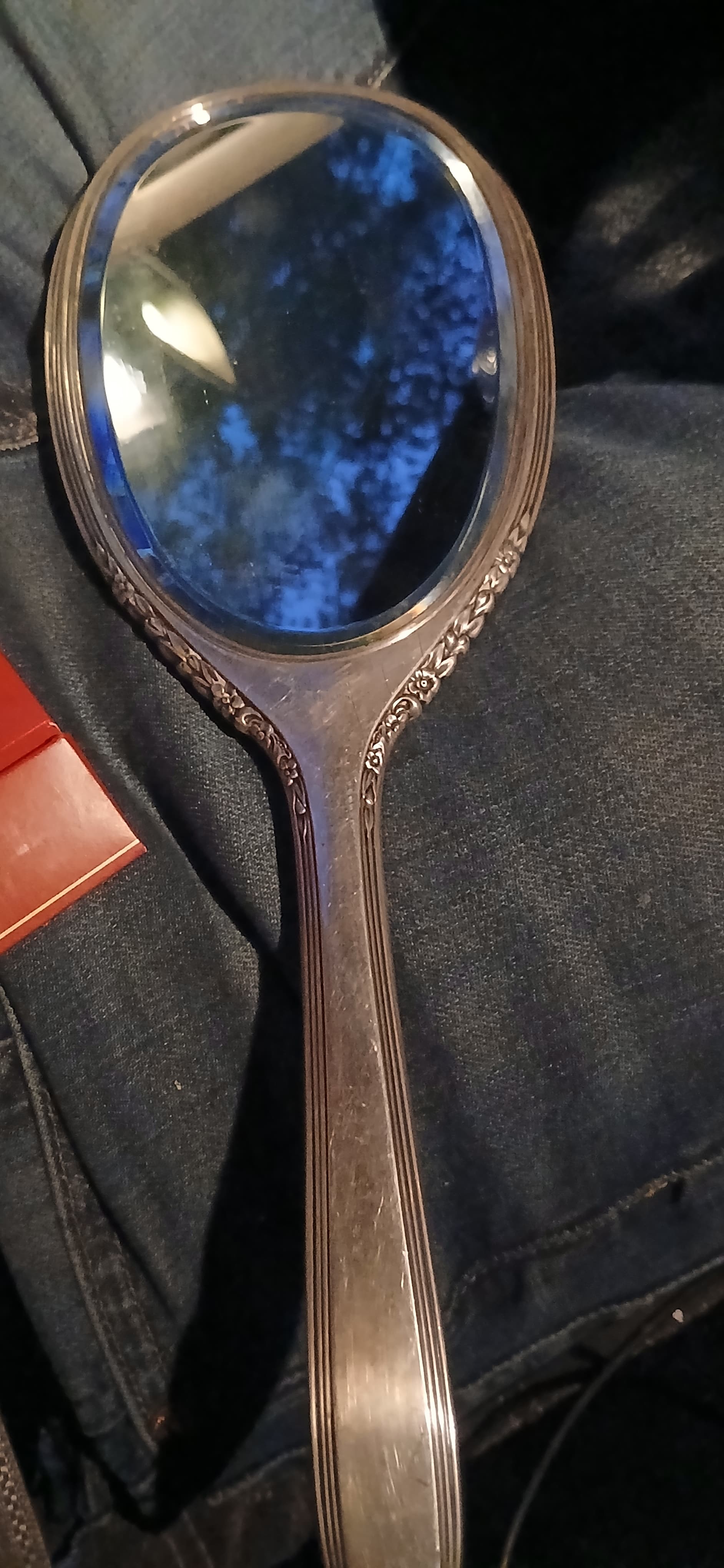
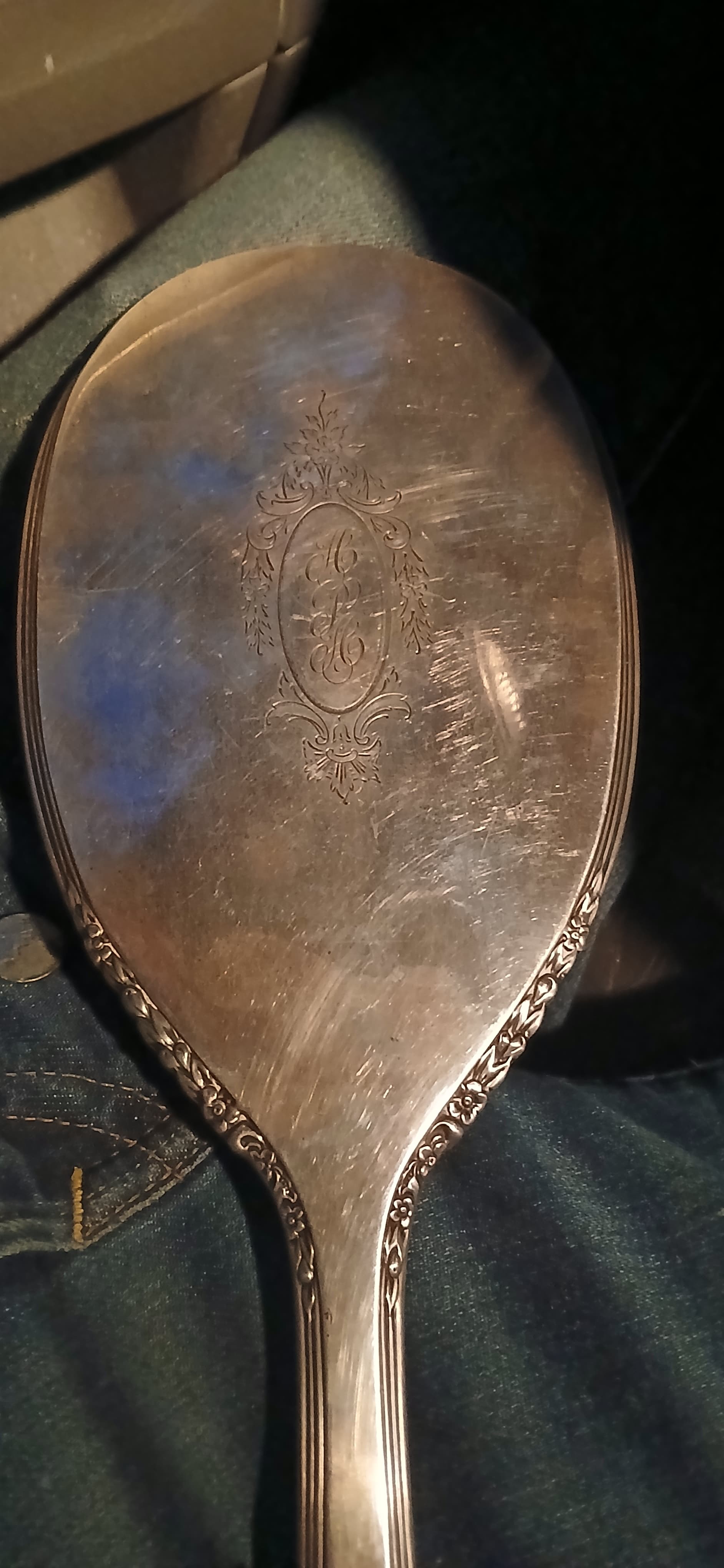
1 Like
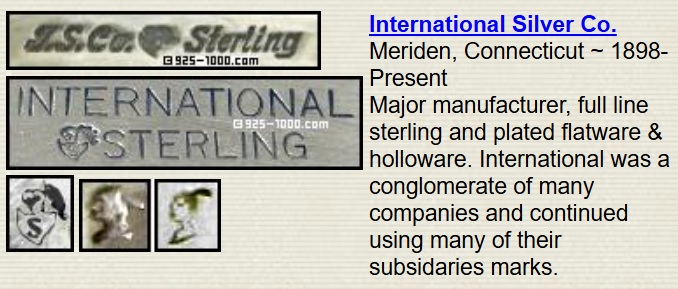
https://www.925-1000.com/ax_international.html
Technology
The use of tin-mercury amalgam was the primary method for producing glass mirrors from the 16th to the early 20th century. In this process tin foil and liquid mercury were applied to glass; the resulting two-phase amalgam consisted of tin-mercury crystals surrounded by a mercury-rich liquid phase.
Identification
Distinguishing mercury-containing mirrors from silvered mirrors can be difficult. If the mirror was produced before the early 20th century, it is likely a mercury amalgam mirror. Silvering, the other predominant historic mirroring technique, involves the deposition of silver on the glass. While silvering was developed in the mid-19th century, it did not completely replace the amalgam process until the 20th century. Unfortunately, most mercury mirrors are only identified once mercury droplets are discovered along the bottom of the frame or on floors and baseboards. Occasionally, beads of liquid mercury are also visible from the front of the mirror, which can be observed migrating under the glass.
There are several additional ways to identify an amalgam mirror if liquid mercury is not visible. Scientific testing, such as X-ray Fluorescence (XRF), can easily confirm the presence of mercury. However, if these methods are not accessible, mercury and silver mirrors can be distinguished by subtle differences in color and reflectivity. Mercury mirrors reflect less light and have a bluish appearance, while silver mirrors look more yellow. This effect can be enhanced by placing a thin piece of paper over the mirror, which will appear paler and brighter over the silver mirror (Hadsund 1993).
Deterioration
The condition of mercury mirrors can be deceptive; they may seem to be in good condition even if they are actively deteriorating and releasing mercury. Look for surfaces that exhibit small points of light, which create a glittering, rather than reflective, surface. The lower section of the mirror may be more heavily deteriorated with numerous small holes. These holes may only be visible when the object is backlit and are rarely visible during normal use. Corrosion begins as small dark patches that create a dark and cloudy appearance. More severe corrosion manifests as grey layers or as grey, yellow-brown, and/or white concentric bands resulting from oxidation of the tin.