Hello everyone,
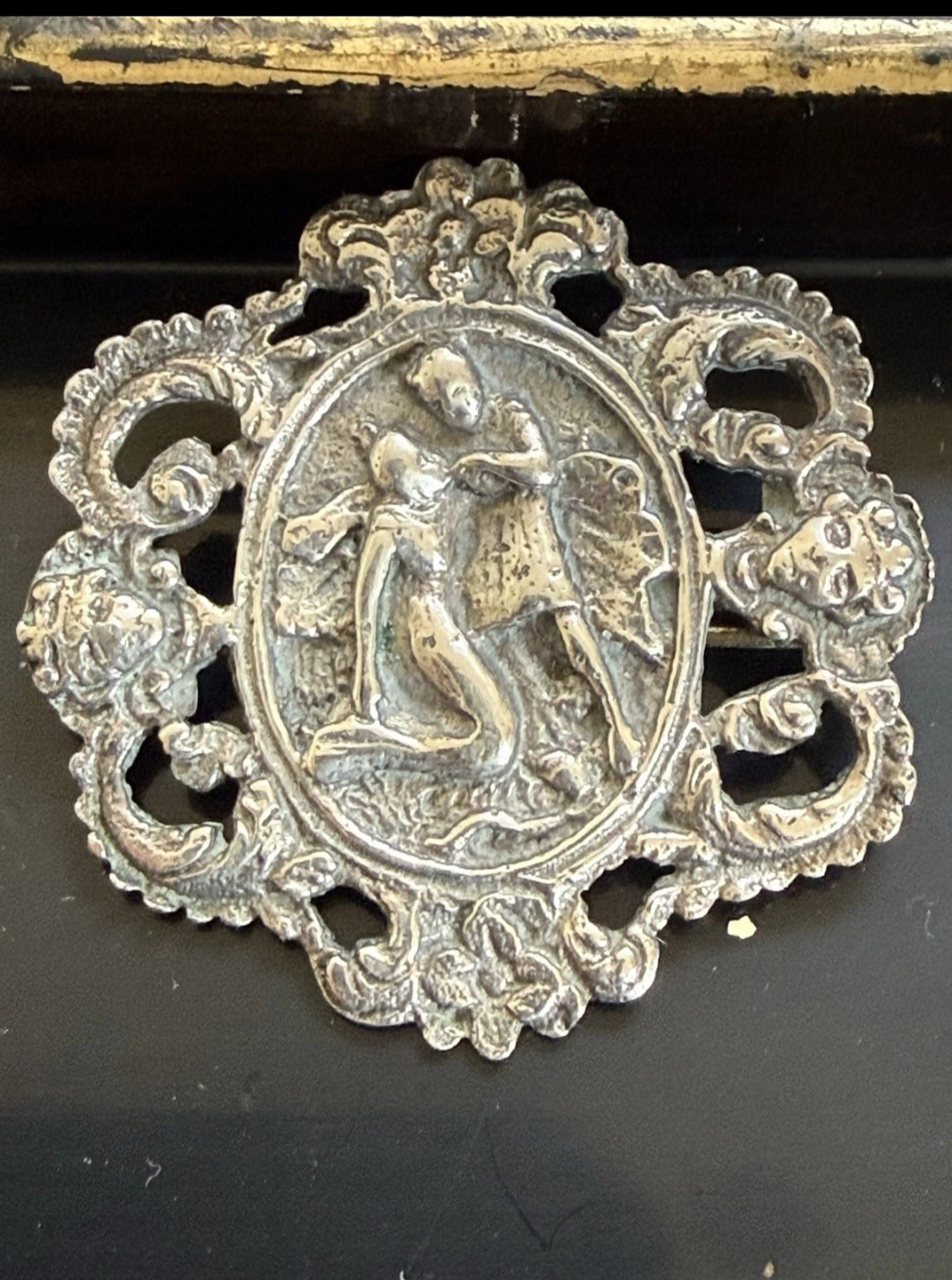
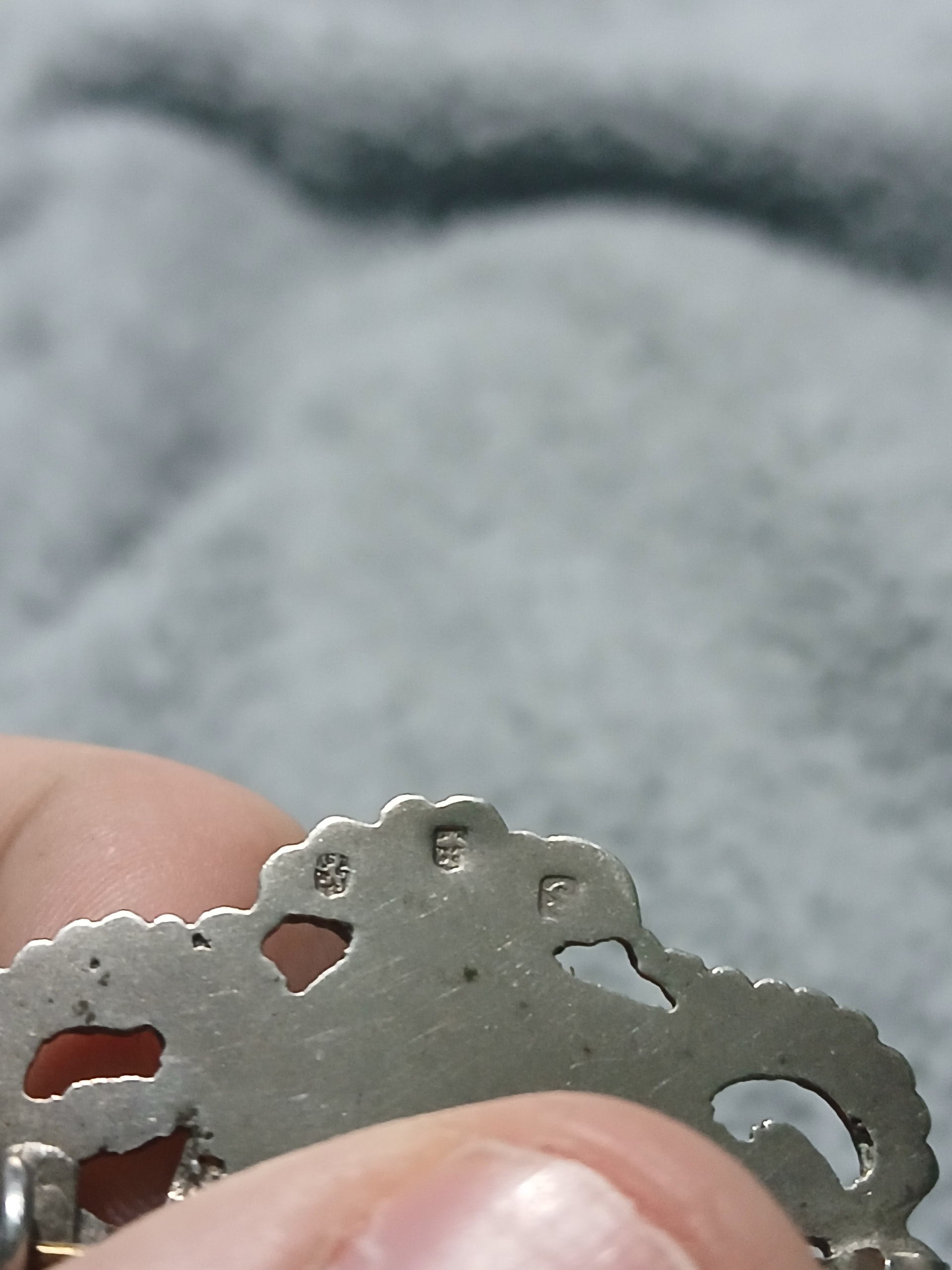
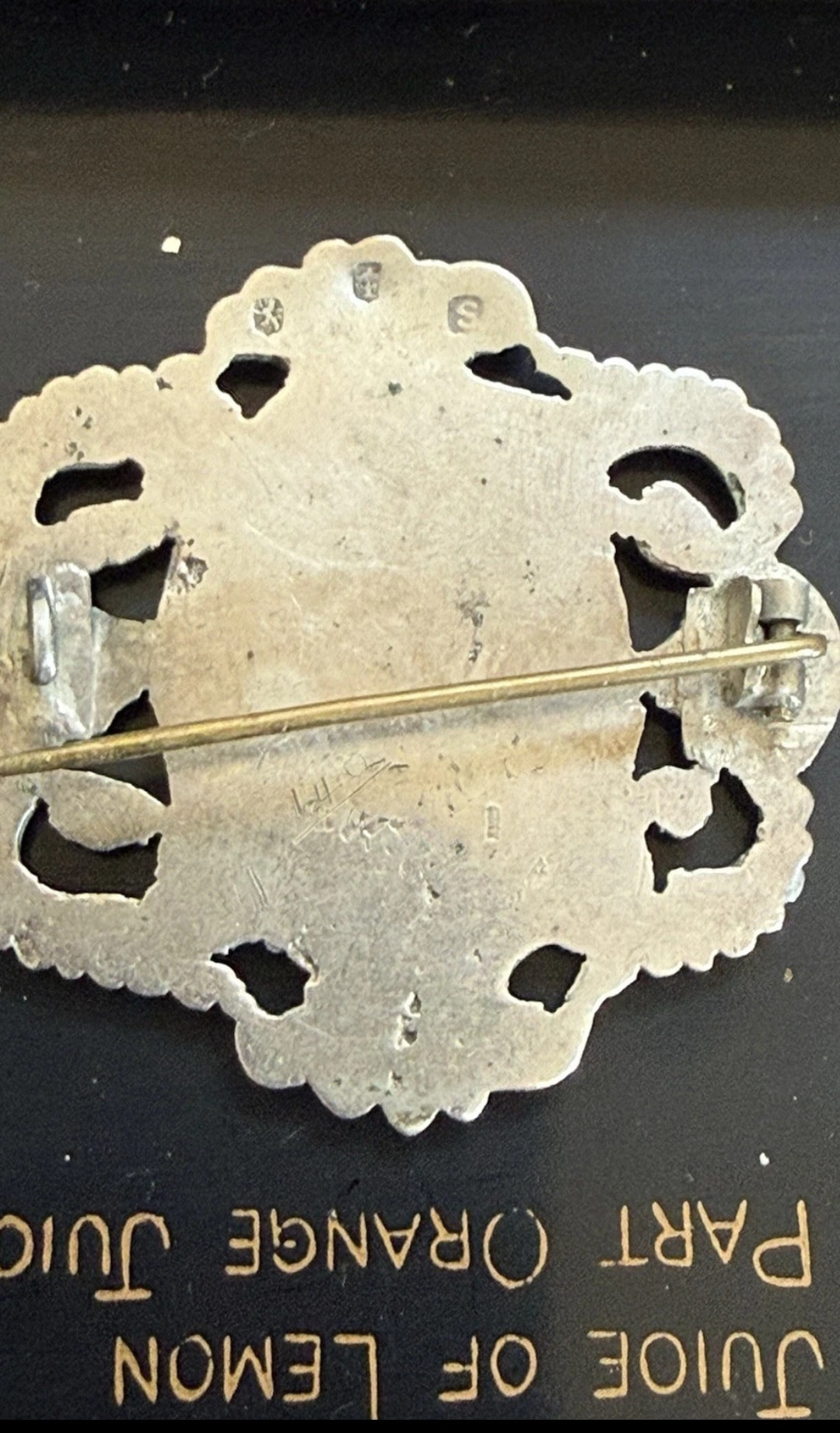
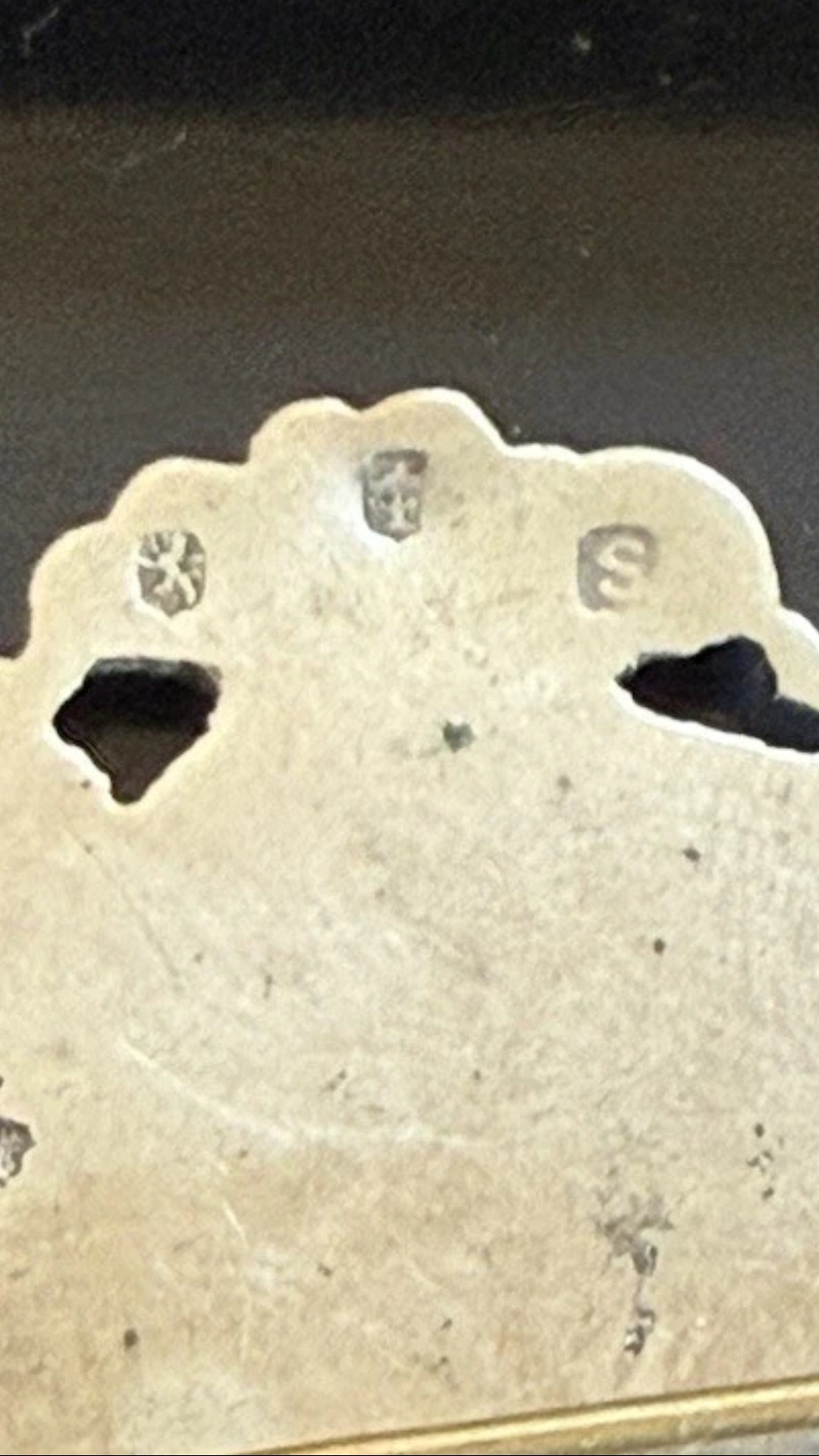
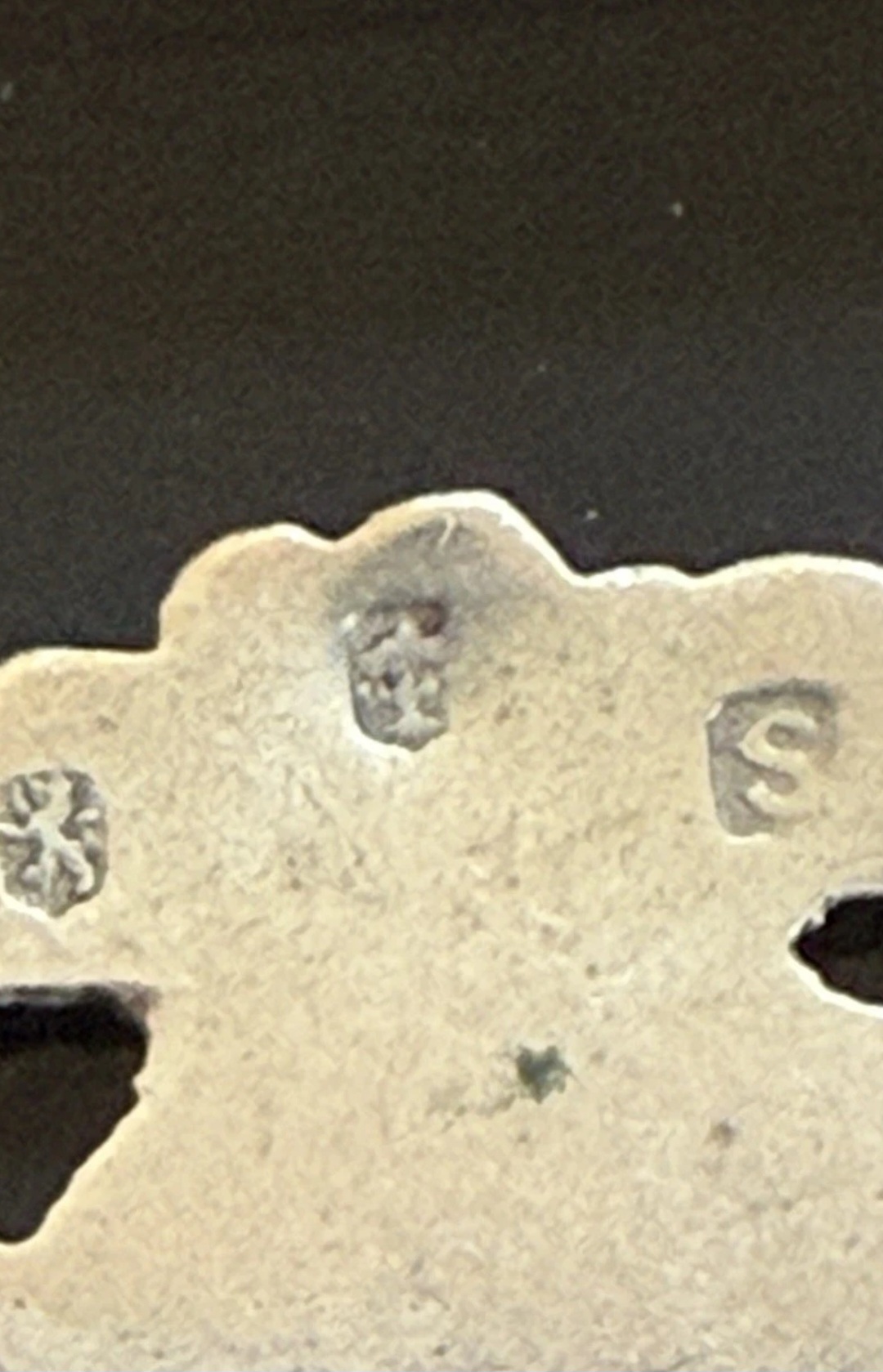
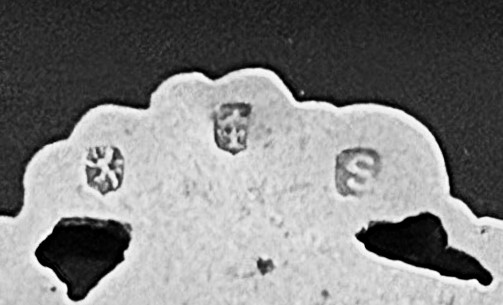
I need help identifying hallmarks, specifically the date mark, on this Scottish brooch I just purchased. The original listing says this is a Georgian piece from 1837, but further research on my part makes me believe it’s an 1889 mark from the late Victorian era. There is no maker’s mark, unfortunately, that I’m able to find on the back of the brooch. I’ve found another listing of the same design as my brooch, but they have no hallmarks whatsoever.
Also, is it normal for these marks to be crudely stamped in this manner? I’m able to decipher the lion rampant hallmark, and the Glasgow hallmark, but they look to be in a different style than the date mark, which raises a red flag that these could possibly be psudeo marks. I’m quite new to collecting antique silver, so any help would be greatly appreciated, thank you!
2 Likes
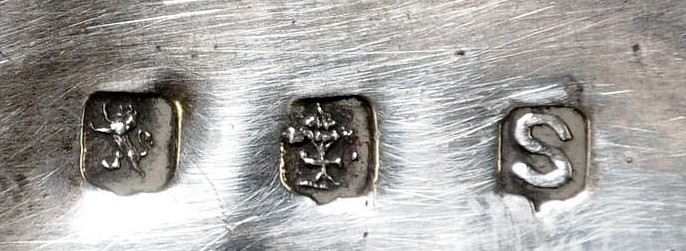
Based on the typography of the “S,” my vote would be for 1889. The style of the piece suggests late Victorian, but that’s little more than a hunch. It would be nice to have a duty mark and a maker’s mark, but you can’t always get what you want.
As Phil recently pointed out, the assay offices had a collection of punches, for use on objects of different sizes, and all were handmade, so precise matching is probably too much to hope for. It’s also worth remembering that silver is relatively soft, so more than a century of overly-enthusiastic polishing can alter the appearance of hallmarks quite a bit.
Fakery is highly unlikely. The penalties for doing so have always been fairly Draconian, so if someone is going to fake some sterling hallmarks, he’s not going to take the risk for a small, insignificant piece. It would be like someone counterfeiting $1 bills.
2 Likes
BTW, the excellent photos are very much appreciated - we usually get dark, blurry messes that make identification impossible.
But please identify the citrus treat involved. 
3 Likes
Thank you so much for your input it gives me a bit more peice of mind as i know pre 1819 in glasgow hallamarjs could be fake.
Also just used my camera on my phone for all the photos lol just made sure it was clear for everyone to see 

1 Like
I agree with Jeff’s thoughts and also bet on 1889.

1 Like
You only asked for identity of the 19th century hallmark not the brooch subject matter so presume you are aware of all that.
Nineteenth-century silver brooches with ancient Greek themes were a hallmark of the Victorian grand tour and neoclassical revival movements. These ornate pieces, often featuring high-relief repoussé warriors, goddess profiles, mythological figures, and Greek key motifs, were frequently crafted by jewellers in France, Britain, and Italy as wearable tributes to classical antiquity.
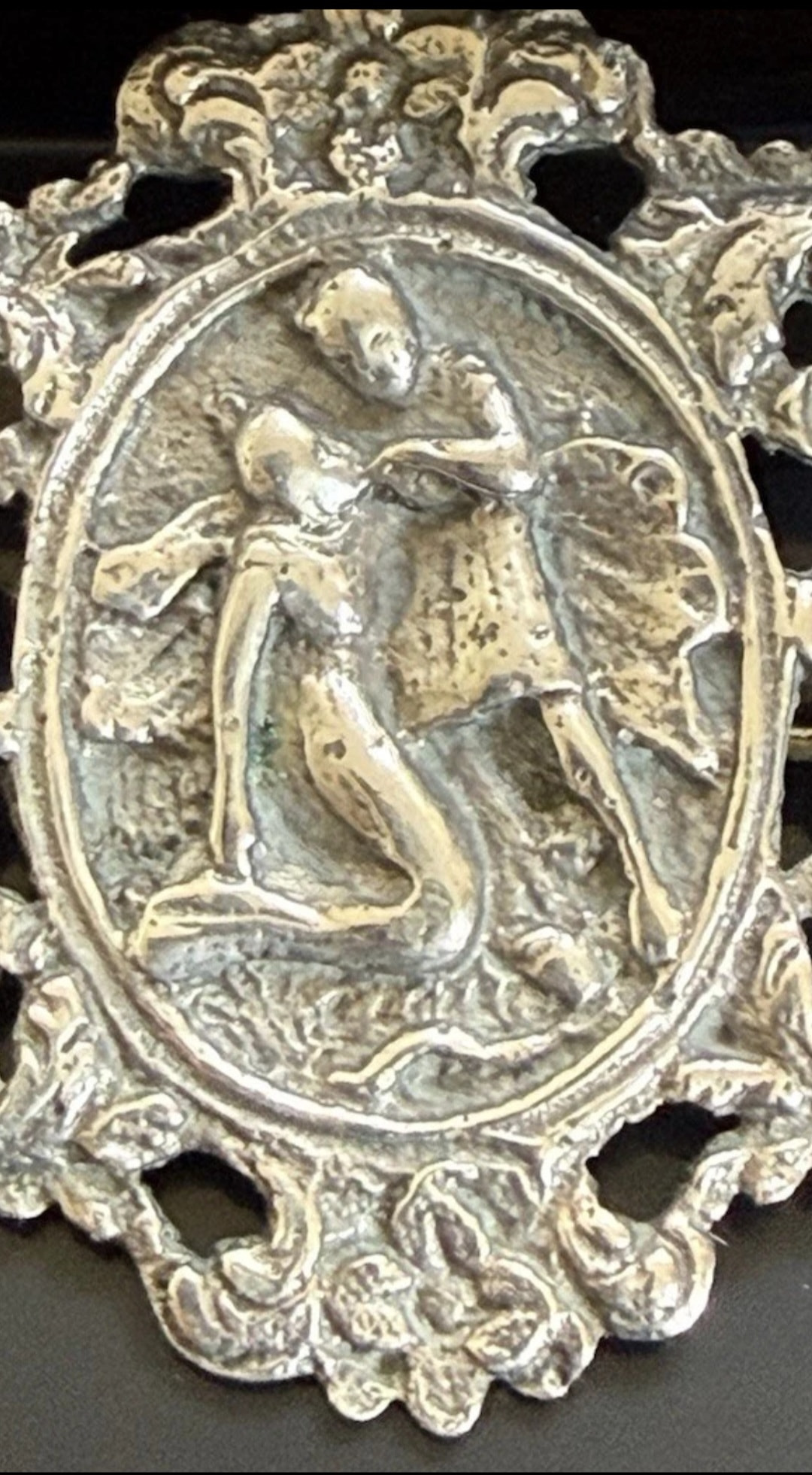
This particular broach celebrates the foundation of Naples and depicts the rescue of Parthenope.
As you may know Greek and subsequent Roman legend are somewhat at odds but the basic story is, finding her love thwarted she chucked herself in the sea and was later found, having grown the tail of a fish, on the shore of modern day Naples. Jupiter is generally credited with rescuing her. The Romans decided the whole tale was rather unlikely and used her washed up body to outline the future city of Naples and explain its volcanic survival.
I seem to remember there is a fountain somewhere in that city commemorating the city’s survival showing water gushing from her breasts quenching the volcanic fires. Which if she was DOA also seems a bit far fetched.
I think I was 14 the first time I visited to Naples and the fountain’s water source rather than inconsistencies in the legend may have struck me.
The 19th century brooch, which will have been used for a sash or scarf, avoids all this rather graphic detailing and provides her rescuer – ostensibly Jupiter with a vessel that looks a bit like a pap boat.
The city just celebrated the 2,500 anniversary of its foundation making this brooch especially of interest. I think if I lived in one of its suburbs creeping ever nearer to the volcano I might be very interested in a brooch like this.
CRWW
Hi thank you so much my question is on the s border can anyone else see what looks like it does three points instead of one and why does it look diffrent to the other ones thanks so much again
1 Like
I would say that any difference is down to a century and a bit of wear.
Thank you so much for the information and your storys really appreciated. I didnt know about the figure and that it could possibly be that
Also, you have to remember that the folks in the assay office weren’t using precise equipment to apply the marks in the first place. Think about a guy with a collection of steel punches and a hammer, taking three or four shots at the piece - one for the lion, one for the date letter, and so on. So, you start off with a bit of variation in the precision with which each punch is made.
1 Like
These marks are not sterling silver. The lion stamp is not correct as a lion passant would be. It is merely a Pseudo Hallmark common enough just to impress
The punches used in British assay offices are very precise indeed. So in the case of this lion it is just a lion and definitely not a lion passant. Passant being the operative word.
If it were a lion passant, it would, indeed, be a fake. But the Glasgow assay office hallmark used a lion rampant, which is what this one is.
1 Like
Yes you are quite right. I was referring to English lions ! Sorry
It’s a common and re-occurring late 19th century theme.
I blame the Prince Regent and his father. His father made a hideously impractical garb, in need of ties and broaches and pins, popular by banning it and the PR reintroduced it at that absurd costume drama he held on the streets of Edinburgh.
Edinburgh saw two con artist brothers come up with separate patterns for each family or clan and to this day we have these tartans supposedly attached to clans that are an invention of 19th century lowland clothiers.
Truth is the short kilt which everybody cavorts about in, is an invention of a Lancashire foundry owner who thought the old garments were a fire hazard around his kilns.
This was the second time a Lancs family inadvertently created Scottish history. The first was a nobleman of that county faced with two disagreeable sons who sent one up north to assist King David rule.
Three centuries later the steward had become the Stuart and taken over his master ‘s throne. Worse still the family eventually got offered the English throne too and made such a hash of that they opted for a bunch of Germans to replace them which we still have.
But nice broach anyway.
CRWW