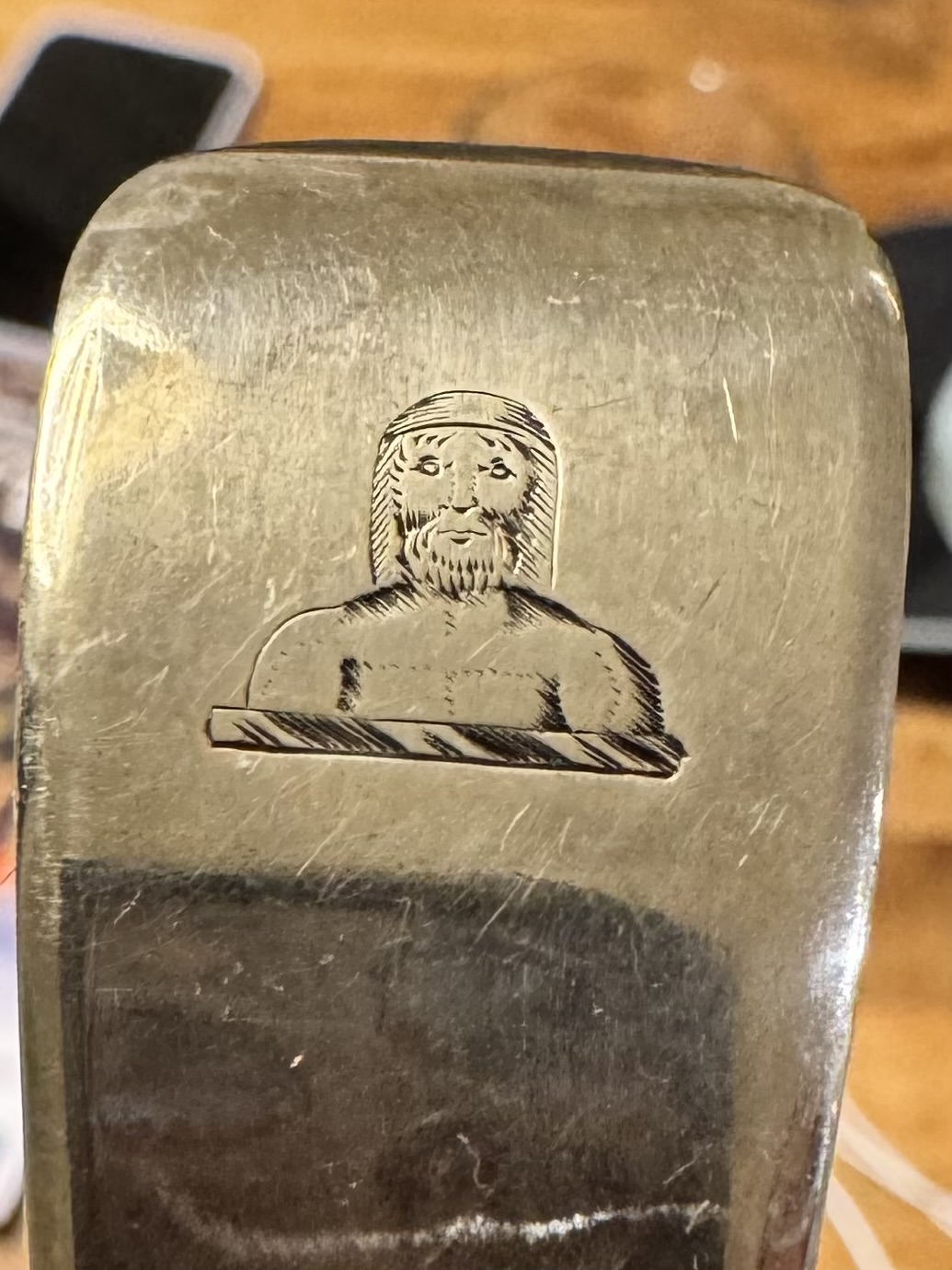
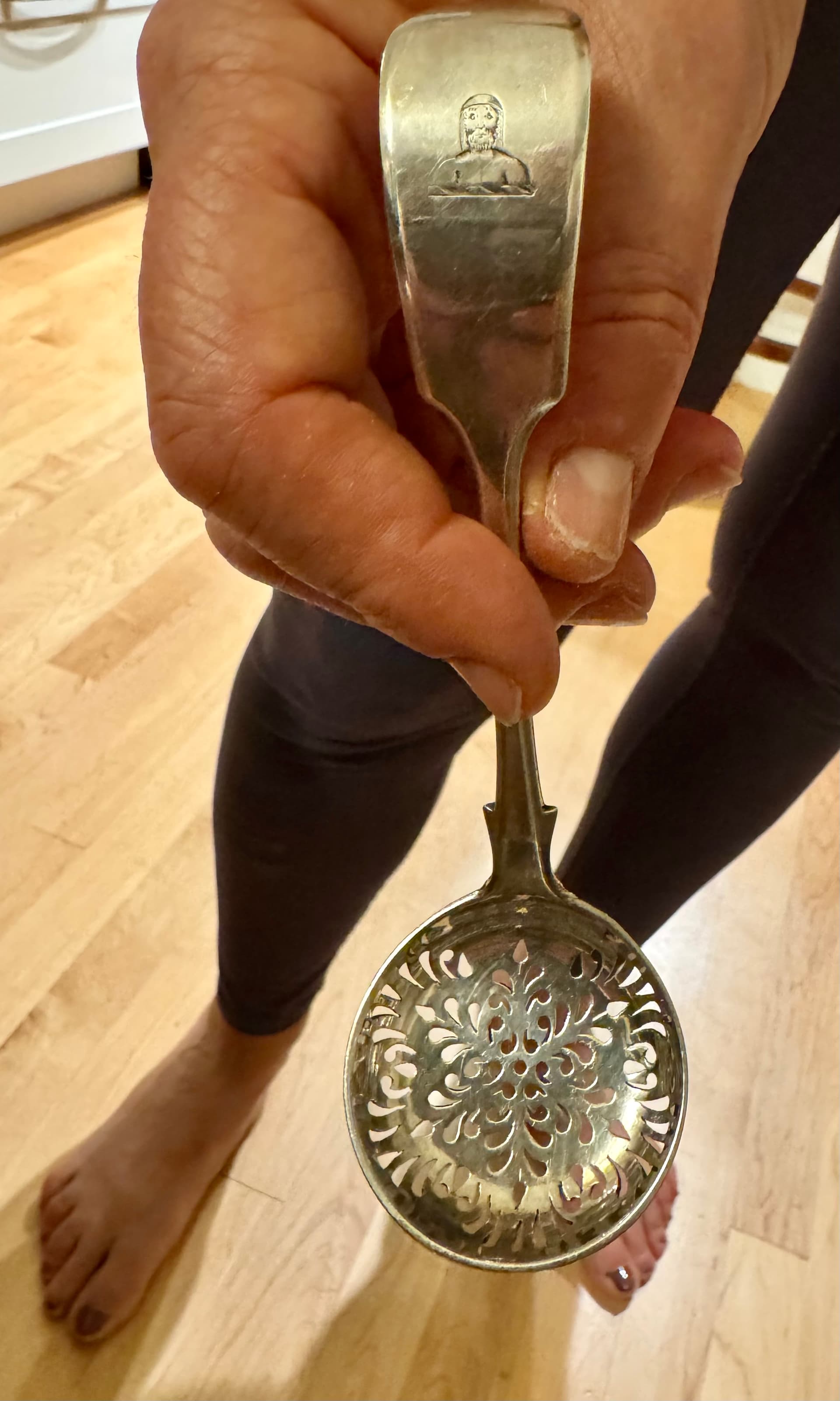
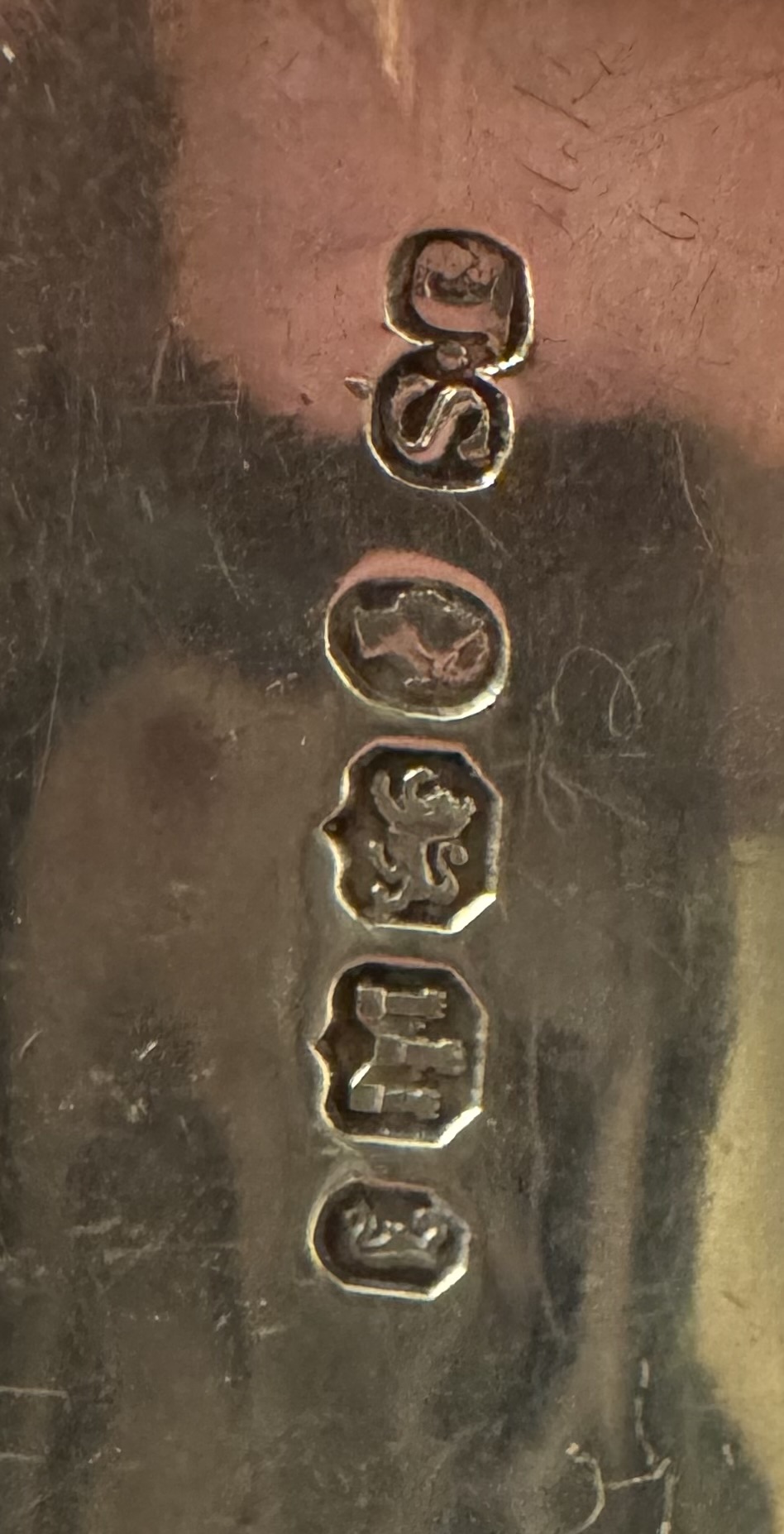
Hi! First time posting. I have a silver sugar sifter spoon, fiddle pattern, with hallmarks of John Stone, Exeter castle, standard mark 925 (lion passant facing left), duty mark of Queen Victoria, with date letter of 1845. It has a friar or other bearded male face (with hat/bandanna) engraved on the handle. I’d love to learn more about this engraving! Any idea what he represents, other than a friar of some sort? Is it part of an Apostle set? Thanks! Liz
1 Like
Lovely piece , be nice to learn who or what the Figure represents !! . Thank you for sharing and welcome to the forum 
2 Likes
The engraving is the family armorial of the (probably original) owner. You may be able to find a possible family name by searching through a volume of “Fairbairn’s Crests”, several editions of which are available online.
4 Likes
Still searching…
3 Likes
Thanks you! Have you ever seen this image?
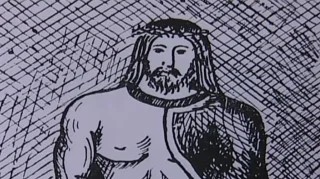
Hmm, interesting! My fellow appears to be wearing a skullcap, not a crown of thorns, though….
THanks for taking the time!
Liz
Could he be wearing a Sudra ? 
2 Likes
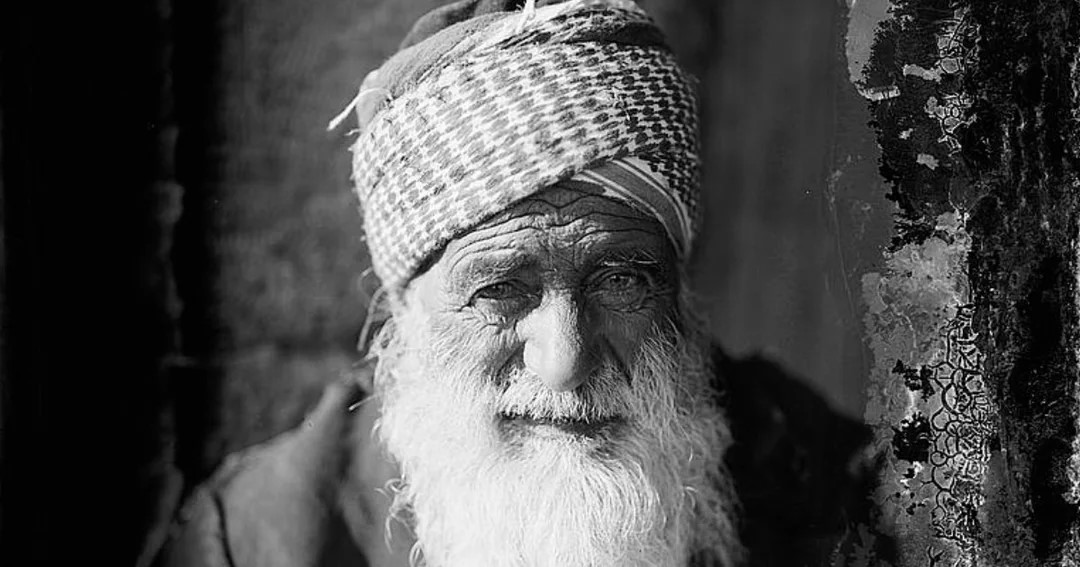


And these masters of the second plan… 
I give up – I spent several hours today searching for any clues to the image on the cutlery. Perhaps we’re dealing with a craftsman’s imagination or a variation on another symbol…
1 Like
Wow, thank you so much for your efforts!!
Liz
1 Like
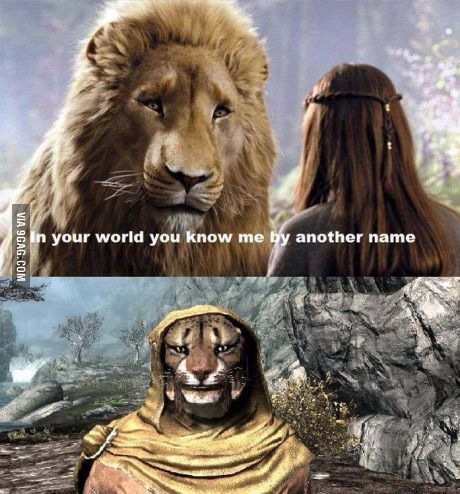
I actually thought he was half man half lion 


1 Like
Turns out that 5 years ago, I DID find out, I just forgot. Sent myself this:
”per Fairbairn’s book of heralds and crests, he is likely Barrlngton of Barrington Hall, Essex, a Capuchin friar affrontee ppr., couped below the shoulders, vested paly arg- and gu., on the head a cap or. Totit ung durant ma vie”
There you are!
2 Likes
Well it turns out that 5 years ago I did figure this out! Per Fairbairn, it is likely Barrlngton of Barrington Hall, Essex, a Capuchin friar affrontee ppr., couped below the shoulders, vested paly arg- and gu., on the head a cap or. Totit ung durant ma vie”
There you are!
2 Likes
“Totit ung durant ma vie” which roughly translated means " So long as I live" turns out to be prophetic since the Barringon baronetcy died out.
If you were to turn out to be the rather famous Liz Feldman, the Hollywood TV script writer and former standup comedian, then given what you have told us all many times about your ancestry, a connection with the Essex UK baronetcy claiming links to Papal friars could have an interested story.
The one thing an ancestor must do in order to be an ancestor is live long enough to produce an heir and this lot of yours seemed to have found other things to do.
It is far from clear from your ex post facto explaining exactly how the Barringtons and the Capuchin monks get associated to the point where they would draw pictures of each other on their sugar sifters and use their images as badges.
The Capuchin friars are a distinct, younger branch of the Franciscan order within the Roman Catholic Church, founded in 1525 by Matteo da Bascio, a time when sale of indulgences was created great papal wealth and much discontent.
Martin Luther was just the most famous complainer.
We now know this Capuchin reform movement, which aimed to restore the original poverty and austerity of Saint Francis of Assisi’s rule, had as a distinguishing feature, a long, pointed hood or cappucci.
Whatever his relationship with the good Friars might have been, whoever created the image to be inscribed on this caster didn’t know enough about the friars to even get the head-gear right.
His image on the ladle looks like an inverted bowl of some sort, the sort of thing a really bad barber might stick on his customer’s head and cut around.
As another TV comedy writer quite often had his character Ricky Ricardo say to Lucy: “You’ve got some 'splaining to do.”
I, who did no research for you, would like my curiosity slaked, others ,who tell you they worked long hours to unearth something you now tell us you already knew but had forgotten, might enjoy that small reward for their labours in your family’s metaphorical vinyards.
CRWW
1 Like