2 Likes
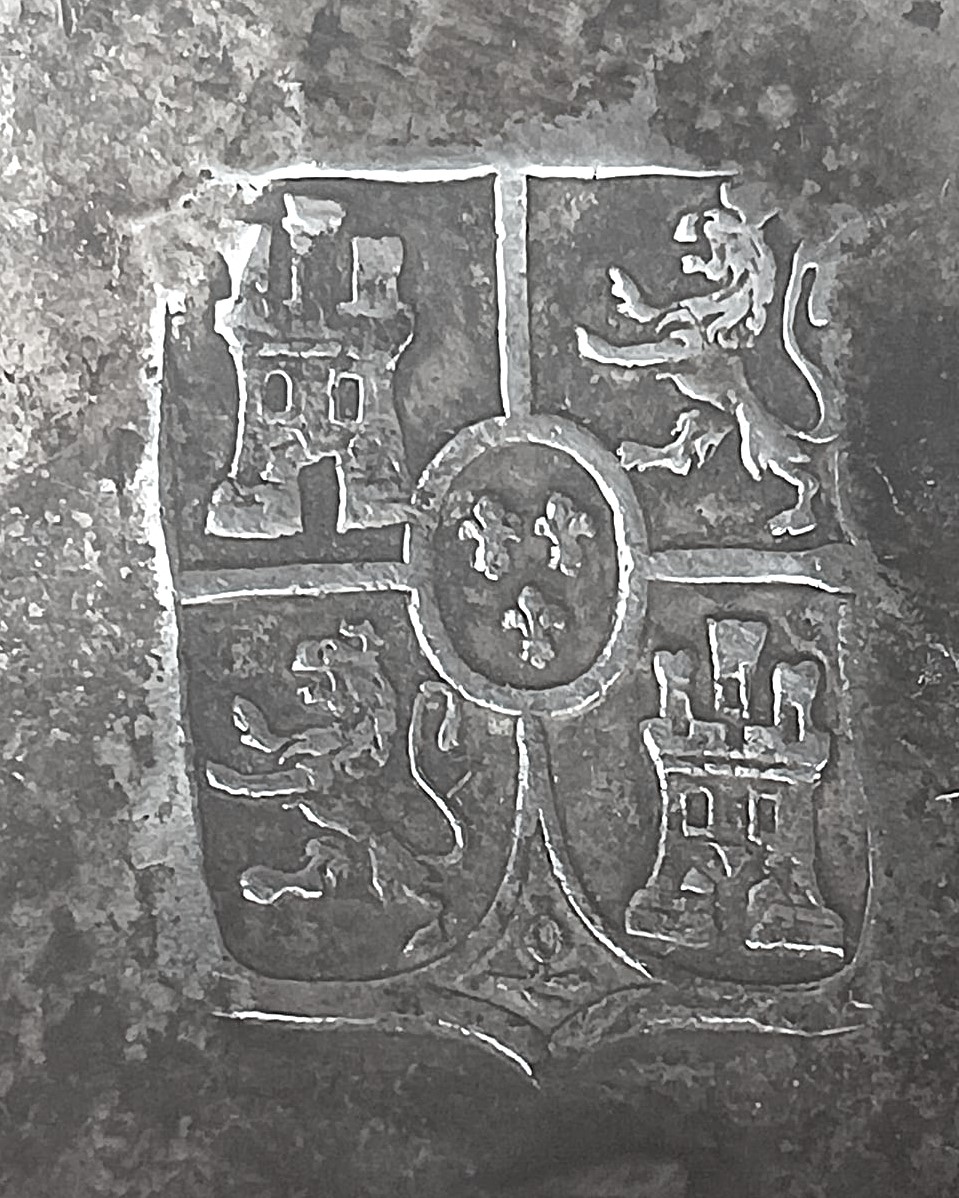
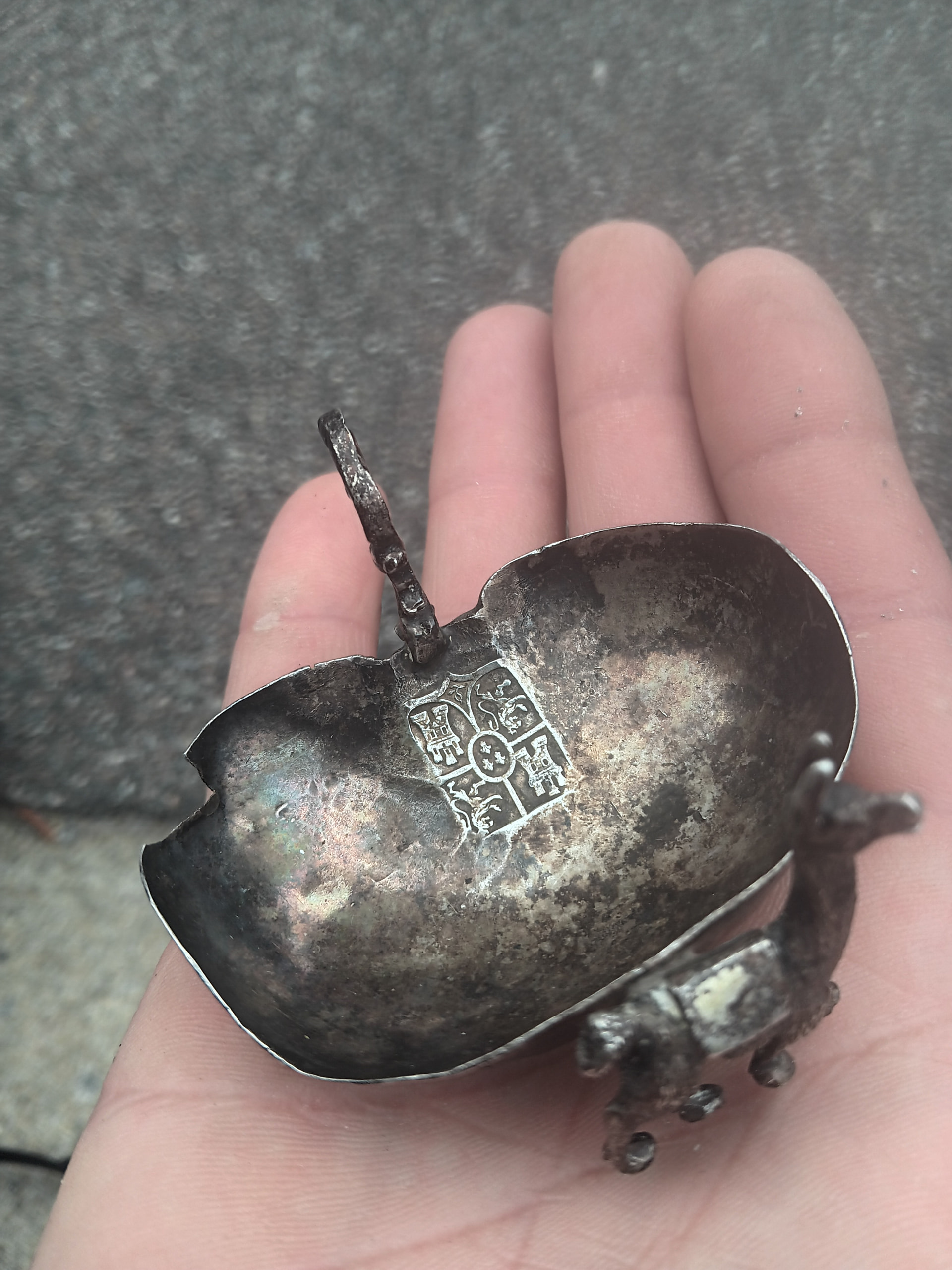
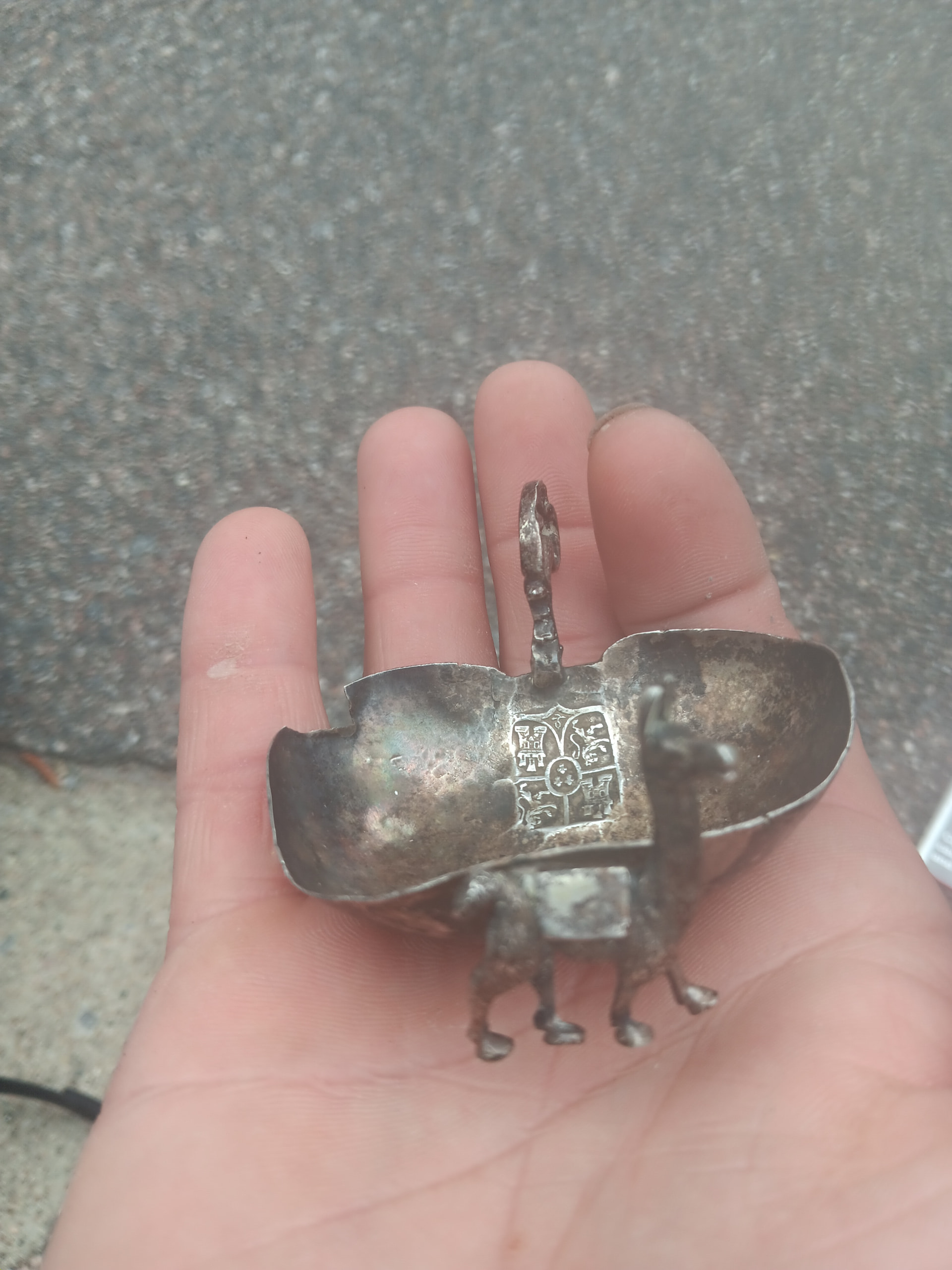
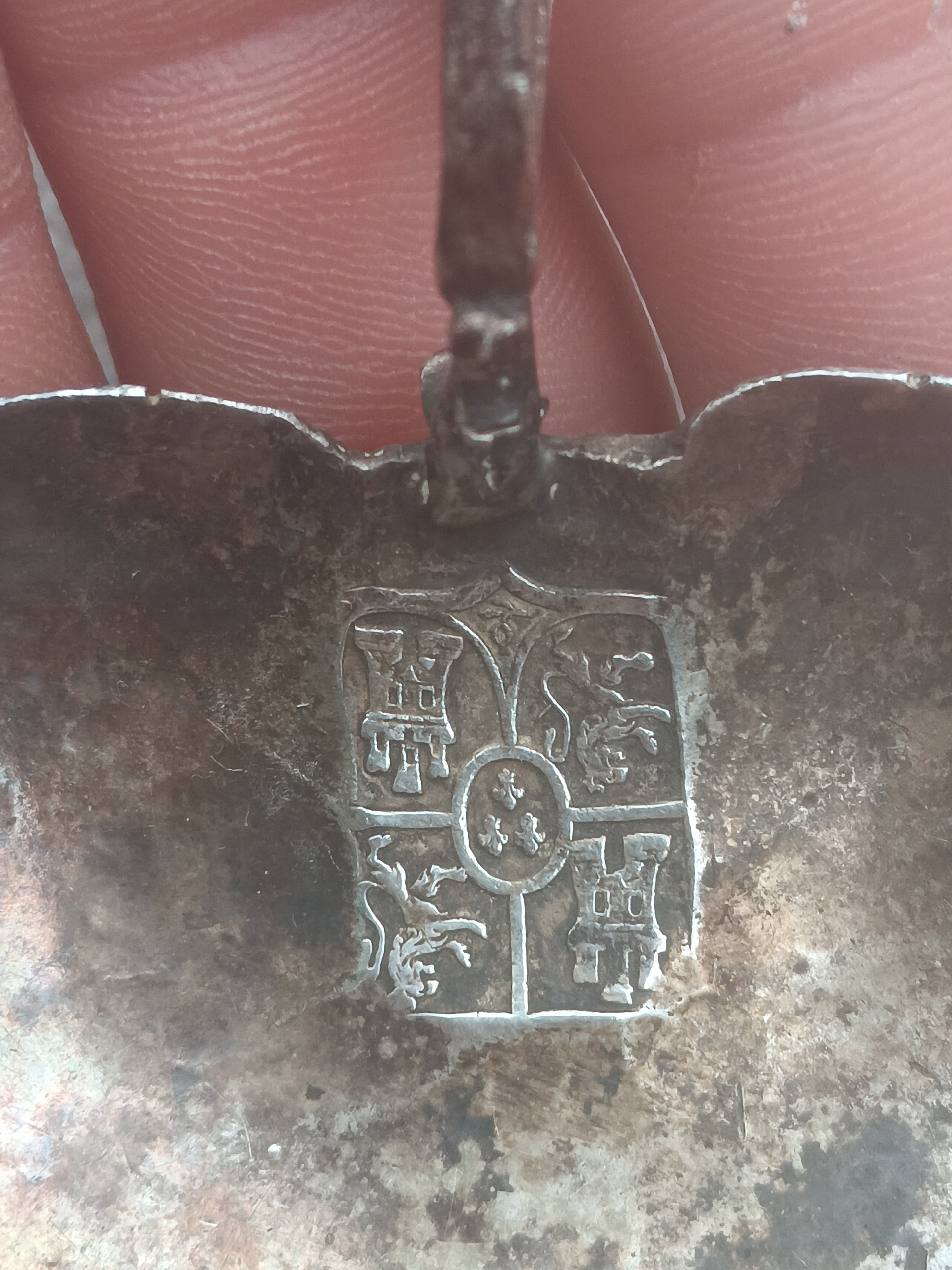
Two castles and two lions rampart with something in the middle which could be a fleur de lis. The Castles represent the Kingdom of Castile and the Lions the Kingdom of Leon.The Fleur de Lis is for the House of Bourbon which had often ruled Spain since about 1700 At the bottom is a pomegranate the official symbol representing the City of Grenada, Spain.
The two kingdoms merged in 1230 and this badge celebrates that merger.
The “Kingdom of Granada” was part of the Crown of Castile from 1492 until 1833, when it was replaced by modern provinces.
Put it all together and you have the flag of Spain.
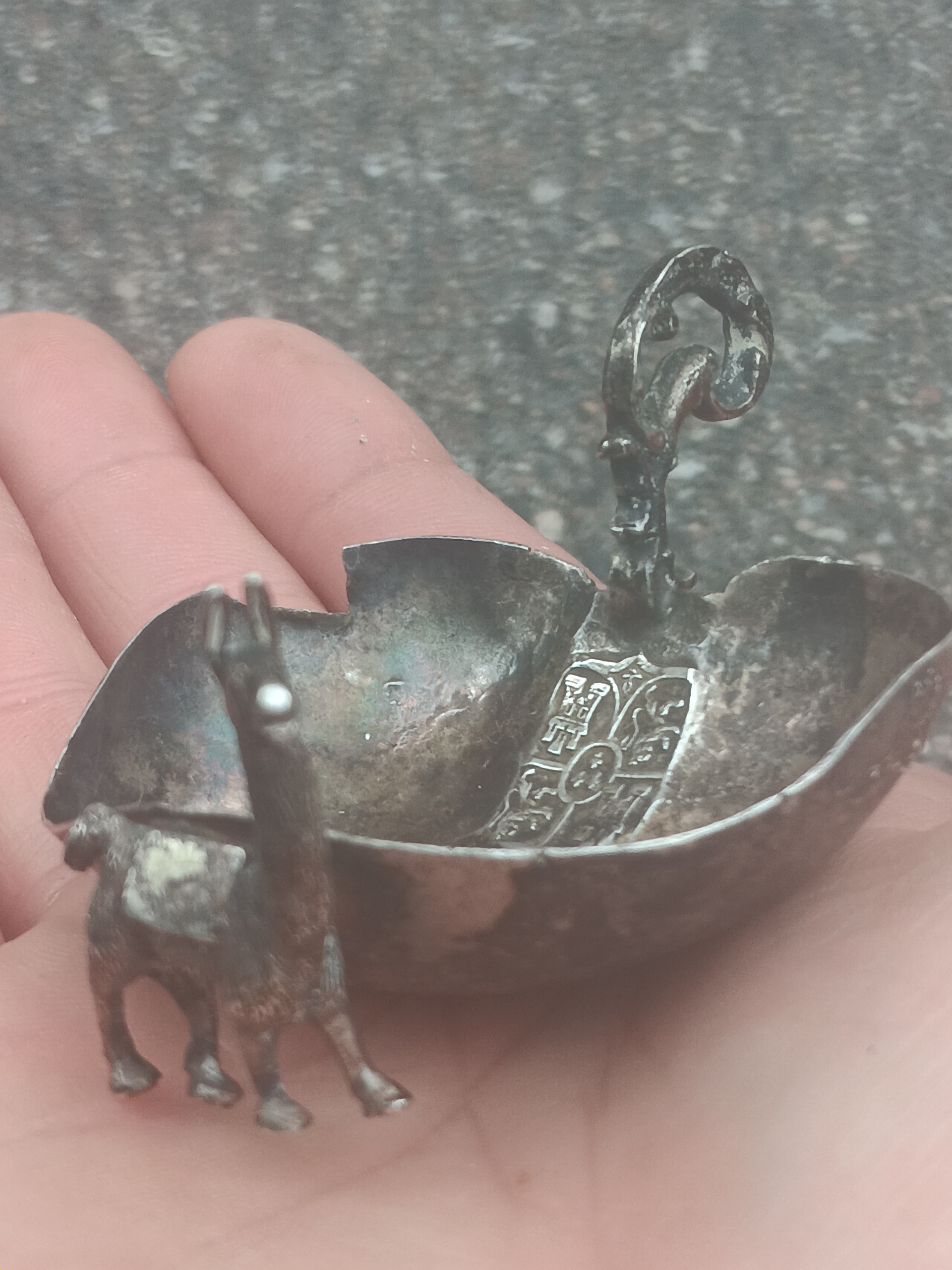
Llamas are native to the Andes Mountains in South America, specifically countries like Peru, Bolivia, Chile, Ecuador and Argentina all of which produce silver, some of which, especially Peru have been doing so for the Spanish whose galleons were pirated by the British who constructed an empire on the stuff before turning to slavery from the Guinea Coast and then tea from China which they bought with opium from India so as to preserve their silver stashes.
Someone has taken a cutting from the top left hand shoulder to test for silver which is almost certainly is.
As to what its purpose is, You could use is as a miniature crumber, if you had a brush to go with it or it could just be a salt dish.
CRWW
1 Like
Shell, Spain, ‘Hispaniarum Rex. R8 MGI’. Silver & Metals - Other metals - Auctionet
150 years of the building of the town hall of Vilanova i la Geltrú… Have you ever noticed the coat of arms above the town hall clock? | The Giant of the Truncheon
Similar Items to Vintage Folk Art Hand Hammered Peruvian Silver Llama Ash Tray 
Vintage 1888 Un Sol Peru Coin Silver Hammered Aplaca Ashtray Bowl Figural Dish Antique - Etsy.de 
Peruvian 1 Sol Coin Leaf Llama Ashtray Coin Sterling Silver 1926 | eBay 
Antique Coin Silver Ashtray Coin Dish Louis 16th France 1788 Perpignan – Yesteryear Essentials 
2 Likes
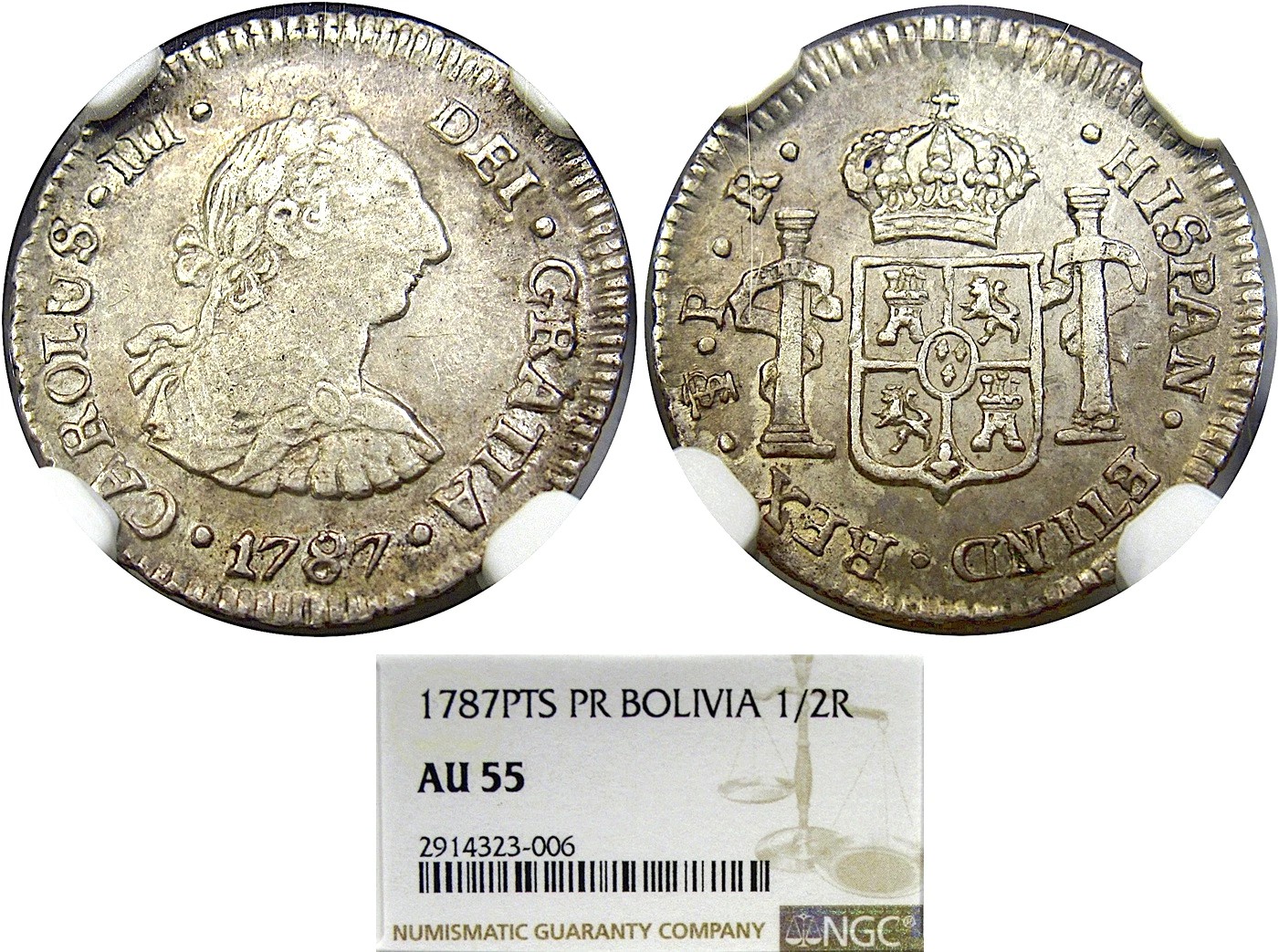
In 1787, Spanish colonial coins featuring King Charles III were minted in Potosí, Bolivia, marked with “PTS” and assayer initials “PR” (Pedro Rodriguez). These silver 8 Reales, gold 1 Escudo, and gold 8 Escudos coins are notable for their laureate bust design, representing high-value currency from the colonial era.
Hopefully we are not breaching the Forum rule limiting posting to a single topic item
Perhaps we are relying on the fact both the coin and the dish have a badge on the Spanish flag on them?
CRWW
It is worth noting the mine from which ore for these coins was extracted, the Cerro Rico de Potosí in Bolivia, is a historic and still-active mining complex renowned as the world’s largest silver deposit.
Founded in 1545, it once produced 60% of the world’s silver, fueling the Spanish Empire and since the British licenced privateers in the time of Elizabeth I to plunder the Spanish ships hauling it away, then the British Empire.
Today, it remains active, producing tin, zinc, and silver, while serving as a popular, but rather challenging tourist destination.
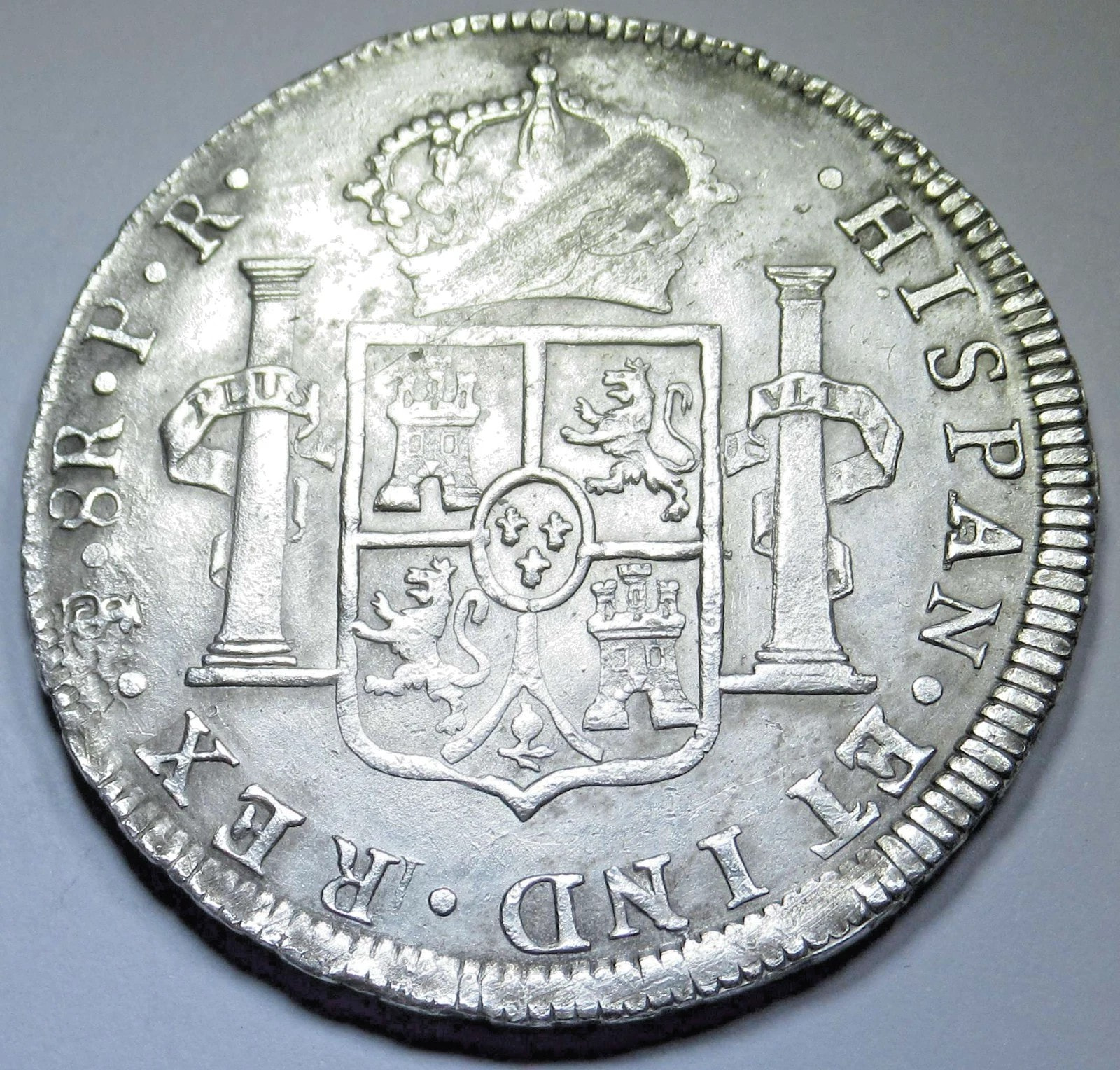
The Australian-packaged coins you exhibit are clipped — mined for silver content. This and coin melting, had been a global problem, addressed in the UK in 1697 under the reign of William and Mary by increasing the allowable silver for domestic product beyond the targeted coin’s .925 content to the Britannia standard of 95.84%. This higher softer standard was reversed by lobby of the goldsmiths in 1720 who found it too soft for the intricate work then demanded by the nascent rococo work coming into fashion.
CRWW
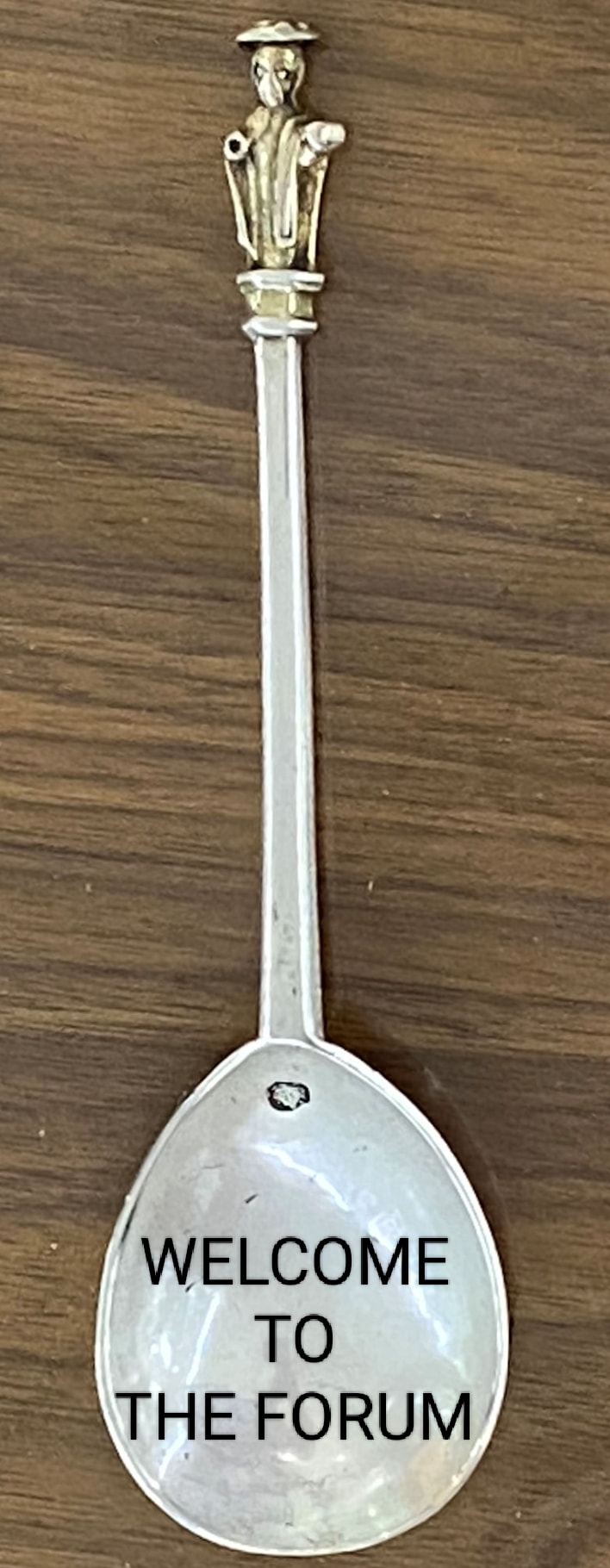
https://blog.acsilver.co.uk/2018/11/17/apostle-spoons/
There is, I suppose, a certain irony in printing on the bowl of an apostle spoon a greeting referencing the use of the Roman term for ruling or meeting place “forum”.
Pontius Pilate, the Roman prefect of the province of Judaea under Emperor Tiberius, who presided over the trial of the Master apostle and authorized his crucifixion sanctioned by the local priests might have appreciated it.
CRWW
1 Like
This is ashtray (links above). 
Lol, I don’t think it’s an apostle on that spoon. I think it’s Frankie Howerd in costume from Up Pompeii!
Nice catch there, Bart!
1 Like
Thank You, Paul! Sometimes I manage to figure something out… 
1 Like
NGC is an American coin grading company. The AU doesn’t stand for Australia, but rather “about uncirculated” a grade below mint state. The 55 is the the number on the grading scale (whose name escapes me) that goes from 1 to 70. NGC would definitely note if the coin in the plastic holder had been clipped by giving it a “details grade” and no numerical one. I agree that the different coin below it with the smeared crown looks clipped or shaved. Very cool coin.