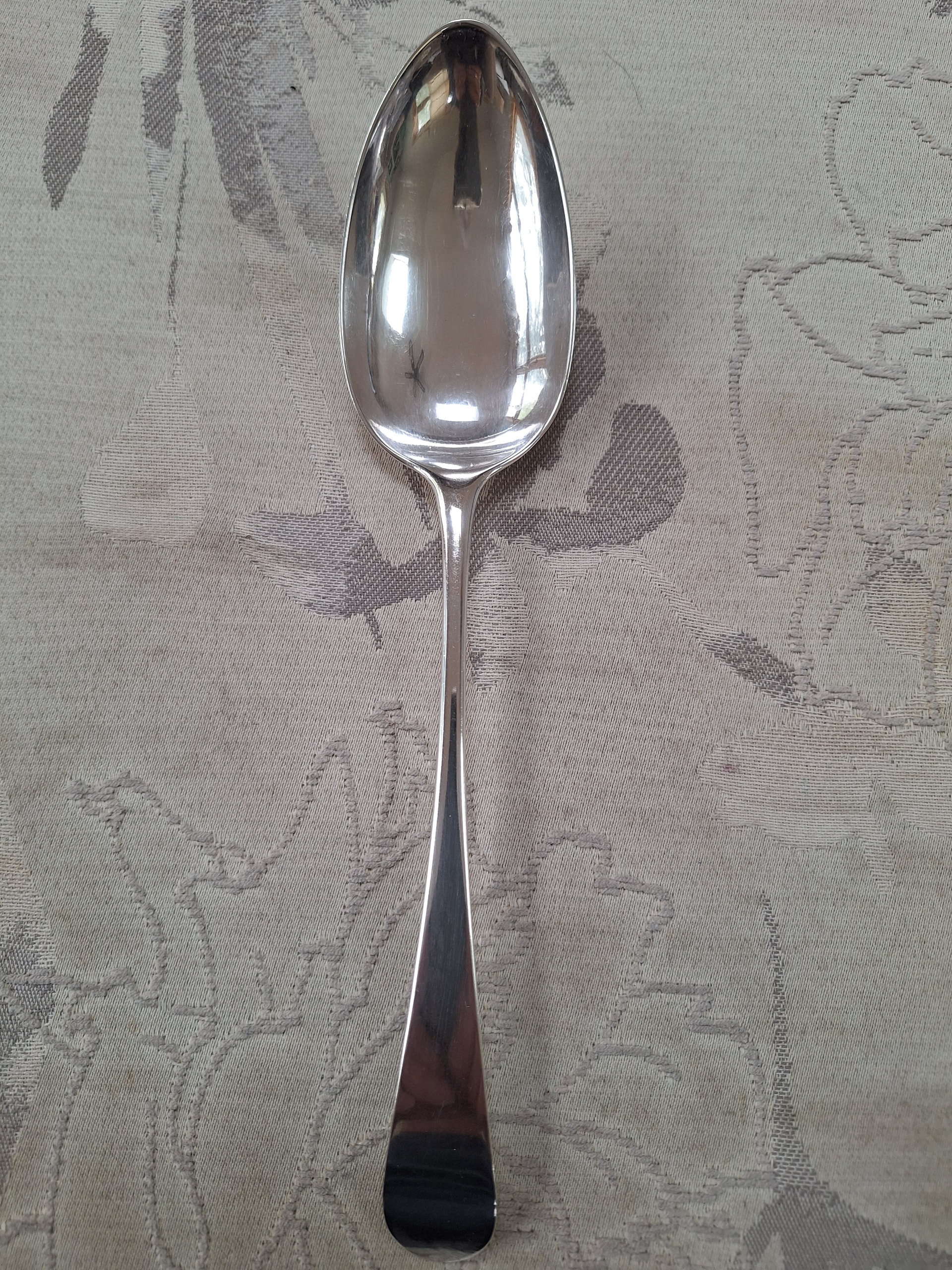
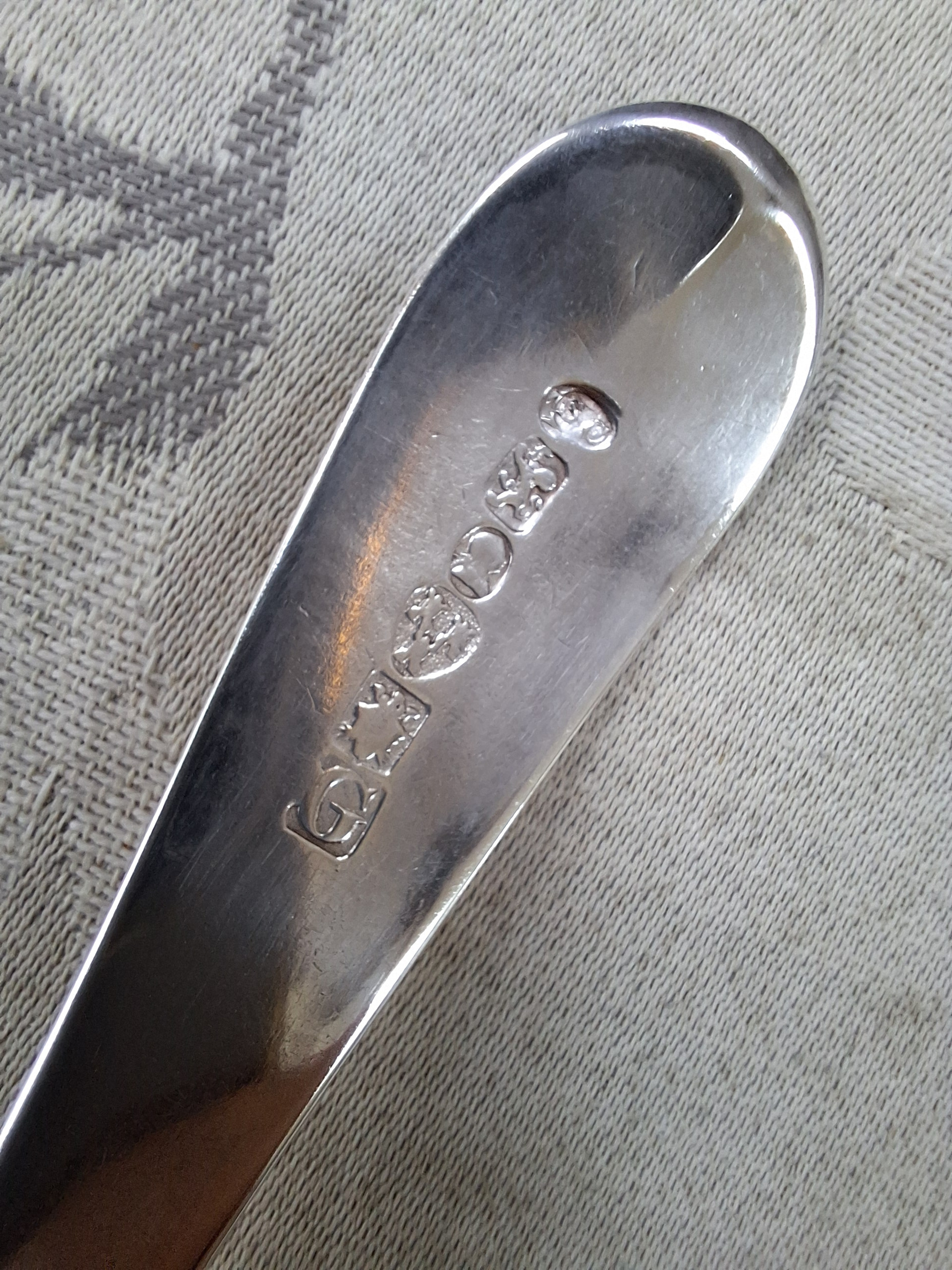
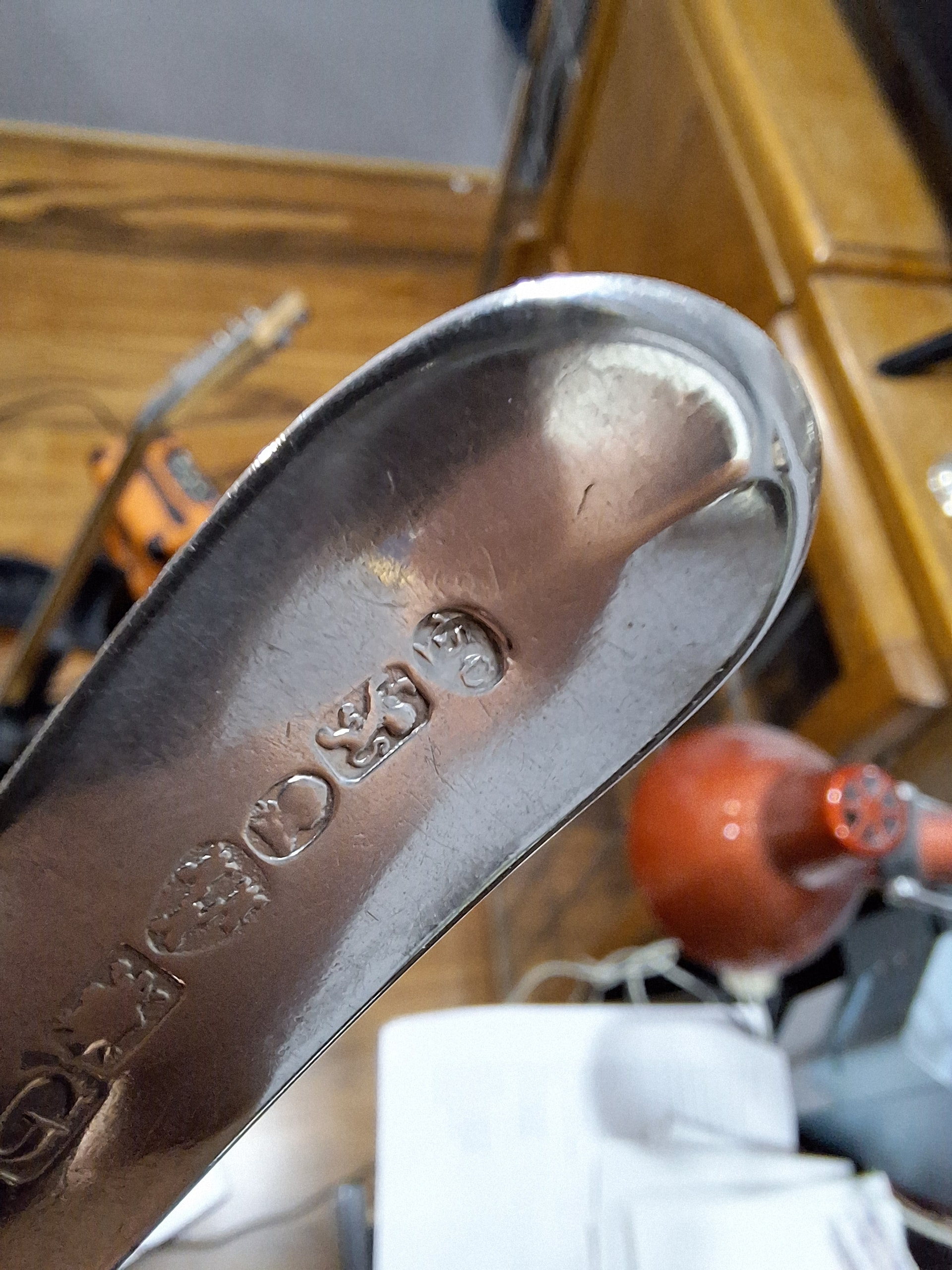
I agree with Phil, the Watson over-stamp indicates something far from an act of charity in fact evidences a very pragmatic business decision purely commercial in nature.
I depart from him on the idea that silversmith widows carried on the business for the sake of the tallymen now in their employ, although that may have been part of the initial decision-making process.
Before the Industrial Revolution of the 1800s put men in factories and made them primary wage earner of the family, women had more latitude in their mode of earning a living — and gaining fame.
But even then, the most successful women were often widows who carried on the family business rather than women who began a thriving business for themselves. However, regardless of the name on the door, during the 18th century most small businesses were actually “mom and pop” ventures, so when a woman was widowed, she was highly trained and was, in many cases, the brains or the talent of the enterprise.
"The same was true for female silversmiths. Notable and talented women such as Hester Bateman, Rebecca Eames, Louisa Courtauld and Jane Williams continued the businesses their husbands began, in many cases far exceeding their partner’s fame and success. Unfortunately, even today, the accomplishments of these extraordinary women have taken a back seat to those of the men in their lives.
"Hester Bateman was a model product of these times. The combination of her dominant personality and talent for business as well as a gift for emphasizing the simplistic, elegant forms of her craft, made her one of the most famed of the Georgian silversmiths.
"It is believed that it was her older brother John who introduced her to her husband John Bateman (1704-1760). Despite poor finances, he and Hester married at The Fleet, where many legal yet hasty marriages were contrived for the price of a dram (1/16 of an ounce) of gin or a roll of tobacco by priests imprisoned for debt. They were later married in a church ceremony at the Church of St. Botolph, Aldersgate in 1732.
"As her skill as a silversmith and designer emerged, and grew, so did her family. John and Hester moved their growing family to 107 Bunhill Row in the county of Middlesex where they devoted an entire work area to the family business. After enjoying much prosperity, John died of tuberculosis in 1760. In his will, he bequeathed to Hester the tools of his trade and the entire business- opening the doors for a new era for the House of Bateman.
"Hester registered her first of nine punch-marks with the Goldsmith’s Hall in 1761. From 1761 to 1774, there exist few examples of Bateman silver because almost all of the output of the Bateman workshop was commissioned by other silversmiths who recognized her talent and skill, which in many cases equaled and often surpassed their own. She often placed her punch maker’s mark on many of these pieces. Concerned for their own reputations, other smiths would over-stamp her punch maker’s mark with their own— a practice that continued even after Hester had established herself as a master smith.
“The Bateman legacy still lives on in the collections of antique collectors, enthusiasts and museums that display her remarkable work. Hester’s exquisite pieces continue to awe even the most avid collector. Her attention to detail, simplicity of form, and timeless taste make Hester Bateman truly the Queen of the Georgian Silversmiths.”(1)
(1) The Great Georgian Silversmiths | M.S. Rau