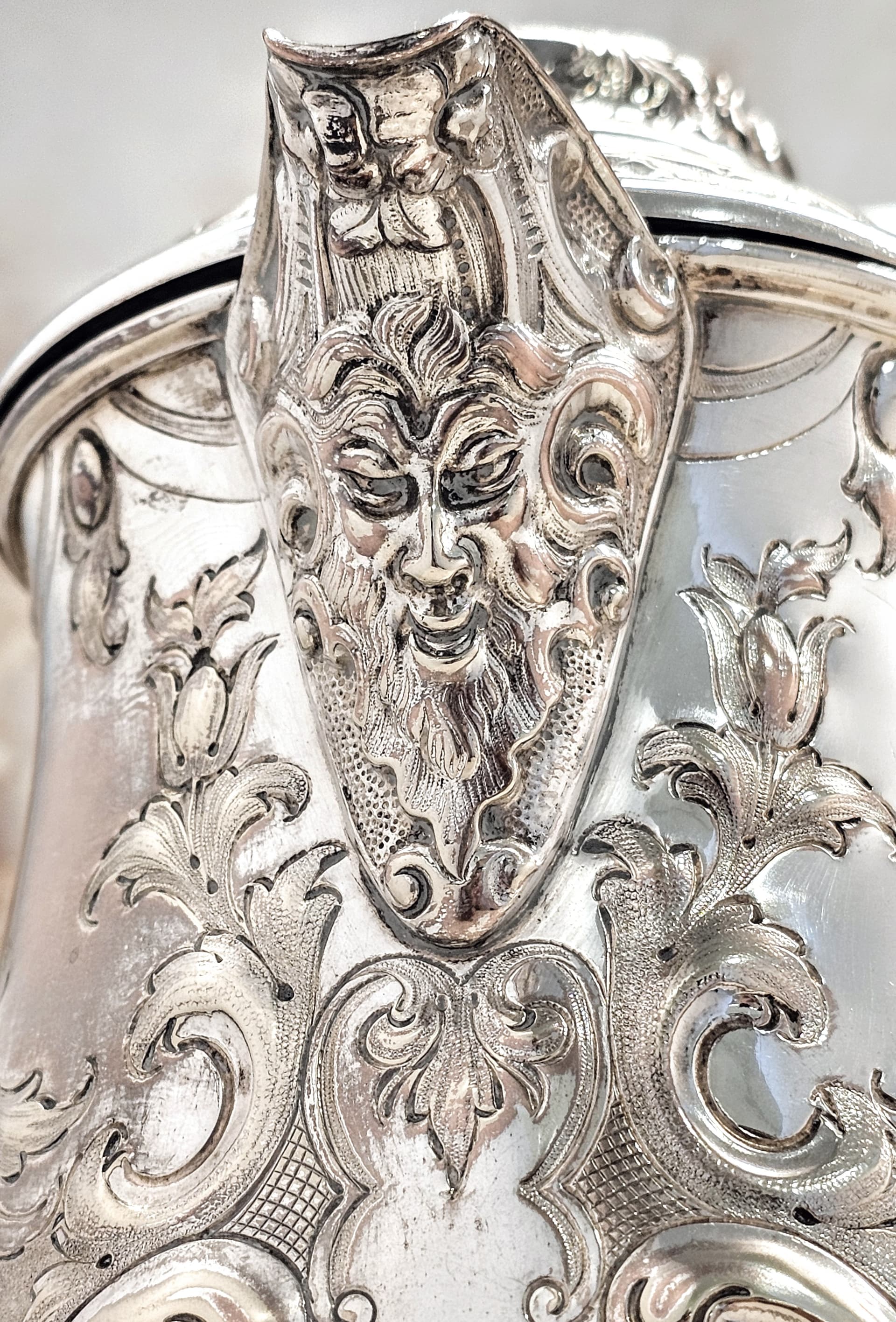
Please Help Identify this Bacchus Tankard + Copper, Brass or Bronze Base?

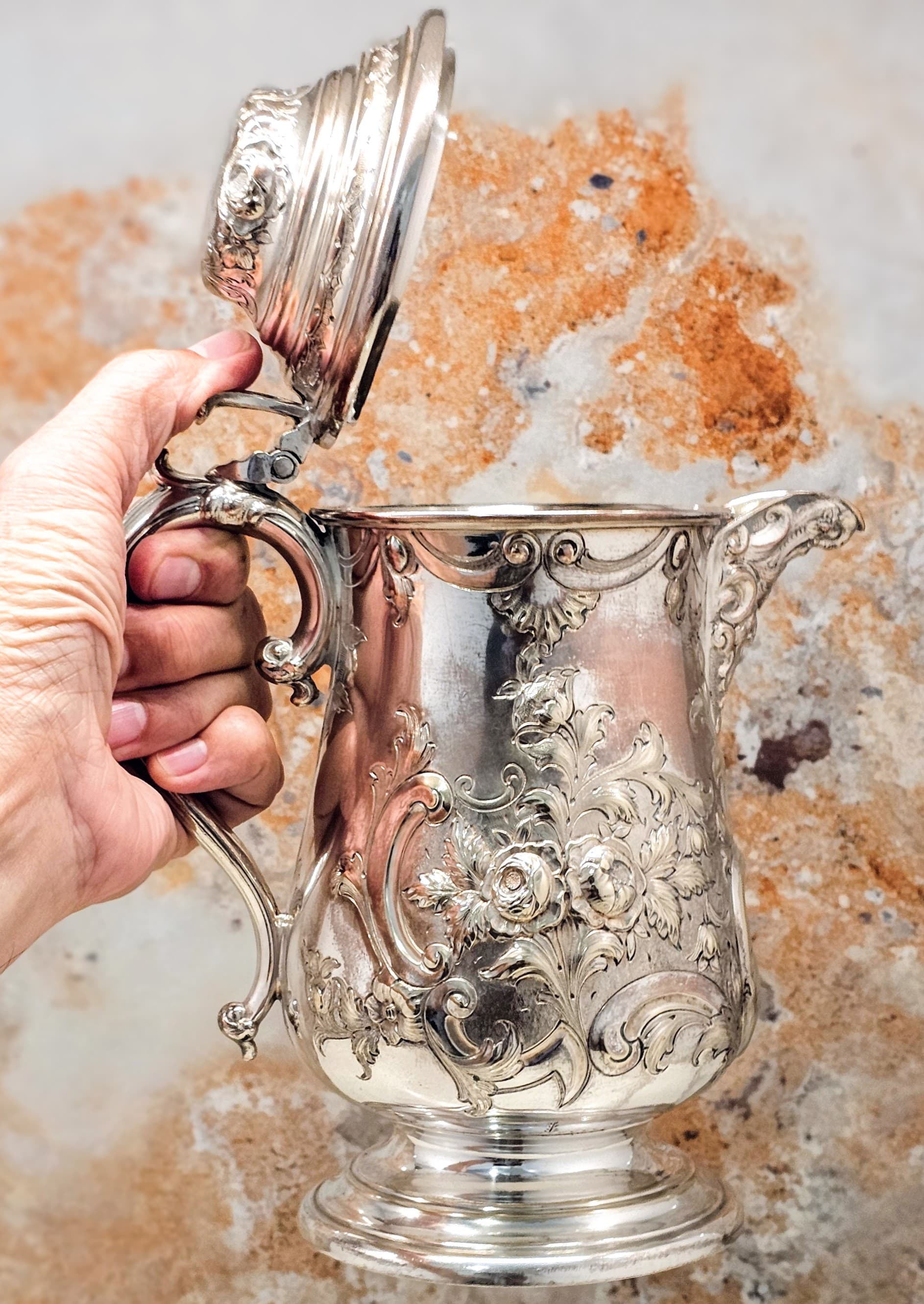
Hello wise folk… I have this interesting, very large tankard that I’m hoping you can give insights to… it’s an impressive 22cm (8.65”) tall, silver plated, but no makers mark (just a ‘16’ under lid). Martin Hall & Co made a similar item around 1880s, in EPGS/NS with a different styled handle. Due to its wear and lack of markings I’m wondering if it might actually predate the more common MH&C? Any thoughts??

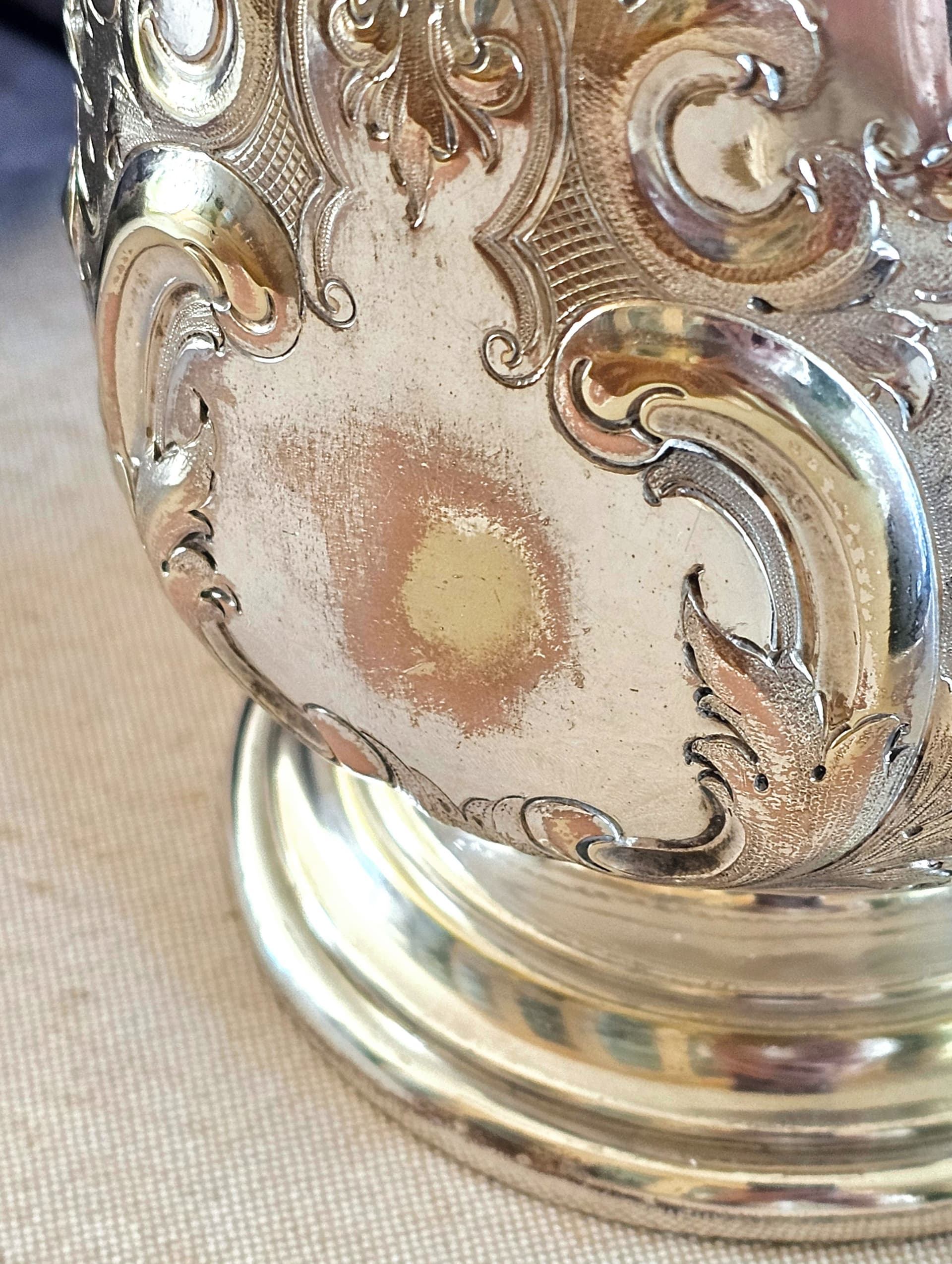
Also… can anyone explain why there’s a copper layer between the silver plating and gold coloured base (see attached photo)? And this raises my other question… OSP is always on a genuine copper base, but prior to Nickel Silver, I’ve noted that silver plating is usually on a gold coloured base, not copper… so are these items actually brass or bronze, instead of copper… which is what everyone always states they are (including manufacturers of Reproductions who claim ‘Silver Plating on Copper’)… copper and brass are very different colours, so I’m quite confused as to what this and other silver plated items are actually constructed of… brass, bronze or copper?! Many thanks in advance!

2 Likes

Hallmarks may be located inside the lid. Sometimes they are so invisible that a magnifying glass is necessary.

Victorian silver plated mask head tankard jug c.1880 - Valentine’s Antique Gallery

Victorian Silver Plated Mask Head Tankard Jug. Martin Hall & Co, Sheff – Bassetlaw Silver & Antiques

1 Like

Thanks for your reply, much appreciated… your links both show the Martin Hall & Co versions of this tankard (different handle), which are the only ones I’ve been able to also locate. Despite much magnified scrutinising… no makers marks visible! :sob:

2 Likes

You had very kindly invited me to contact you regarding this fine tankard and somehow your message ended in spam.

You had asked me about the method of plating using both copper and silver on brass and why bother.

The layering you describe was a standard practice in manufacturing silver-plated items.

Brass, which is an alloy of copper and zinc, provides a strong, durable and easily formable core for the object.

In this case a layer of pure copper has been applied over the brass before the final silver plating to ensure a uniform surface and aid in the adhesion of the silver.

In the Old Sheffield Plate method, silver was fused directly to a copper ingot, which was sometimes mixed with brass.

A thin layer of pure silver was then applied through electroplating to provide the desired aesthetic and corrosion resistance. This .999 silver layer is microscopically thin compared to solid silver items.

Items with a complete lack of marking were often created by Victorian platers first because there was no legal requirement to mark and secondly because the maker decided that the quality of it product spoke for itself. A cynic might presume a third possible reason for the omission.

Very often these items were cold-stamped by the retailer with his mark and that is most likely what was intended to occur here.

These tankards were used for trophy and family event purposes. This one does not seem to have a sterling patch on it for engraving which means when engraved the copper and possibly the brass will appear in the lettering.

One solution was to finish as copper plated item, engrave and then electroplate with silver. The problem with this is the engraving is not as crisp.

So what are you going to do with it? Americans leave the item with wear and think, quite correctly in their country, it enhances the antique-yness of the object. Brits who live in a country where everything is old are more likely to re-electroplate.

CRWW

3 Likes

Hello Christopher, thank you for your reply and great insights… I knew you’d know about the copper layer! And happy you were able to clarify it being a brass base. Although I’m a purist… the tankard would look amazing re-plated, just not sure my budget could afford it!

2 Likes