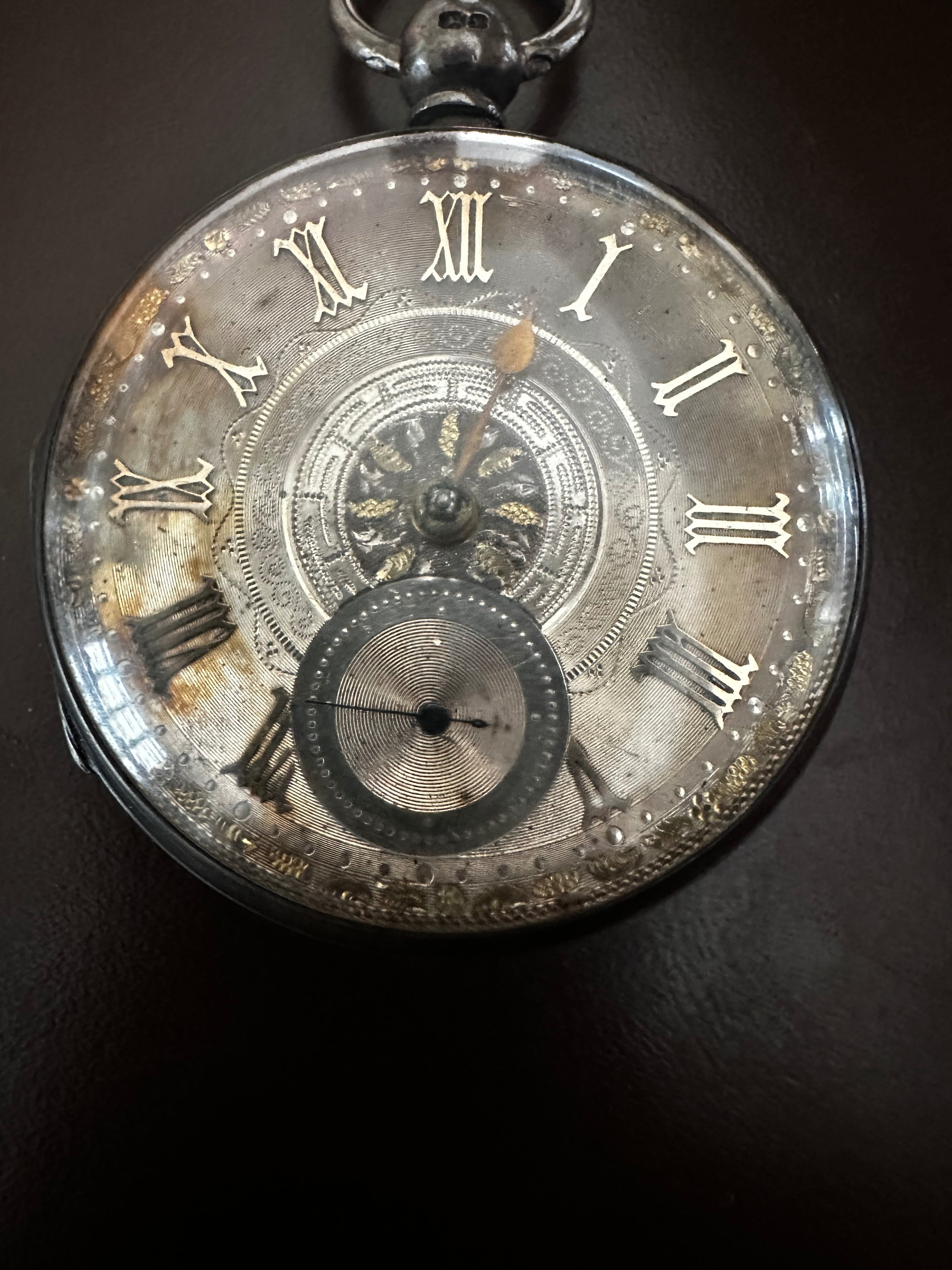
Hi I have a pocket watch, which i would like more information on please can anyone help, it was my dad’s and before him his dad I assume its about 80 - 100 years old?
2 Likes
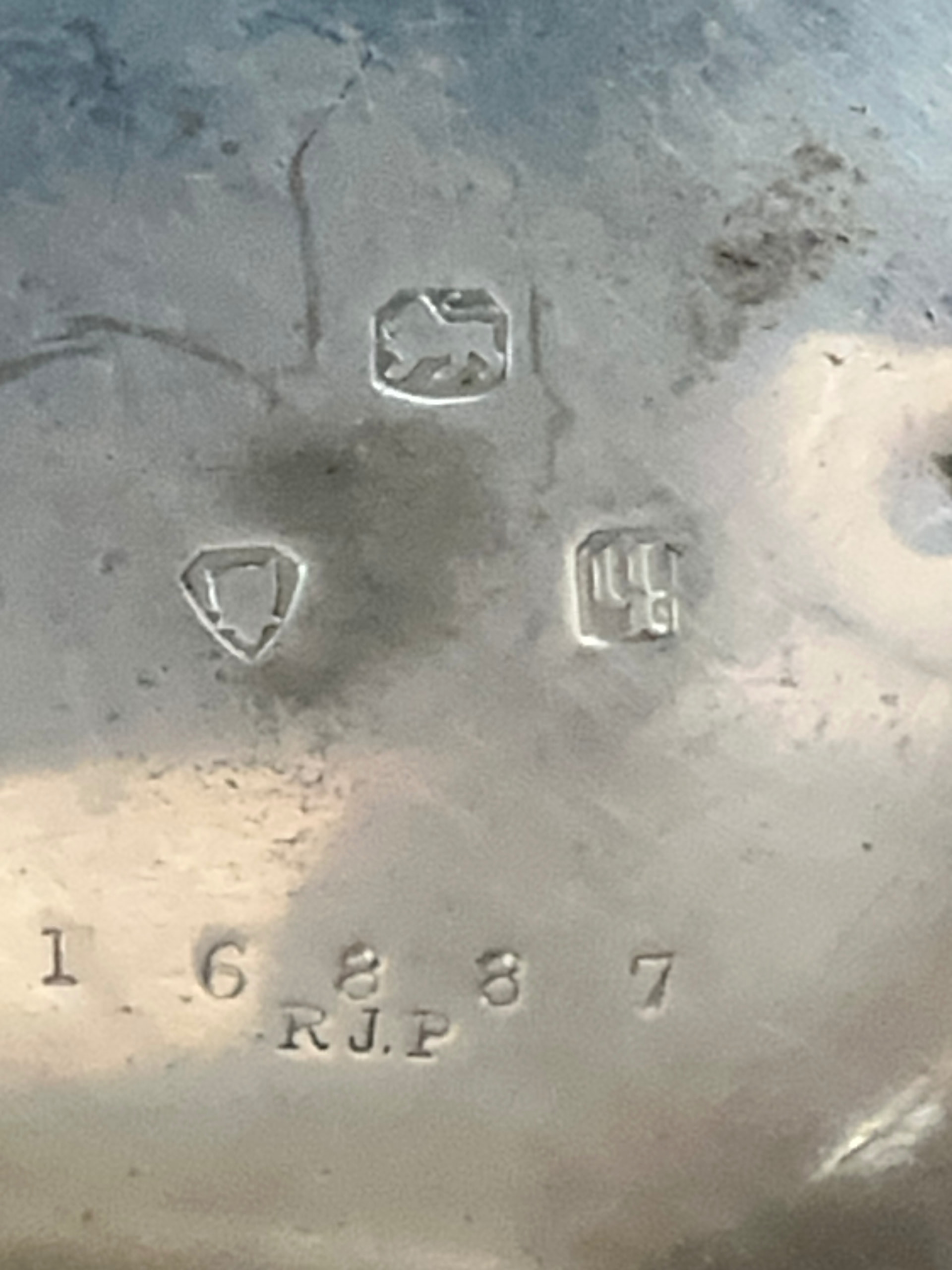
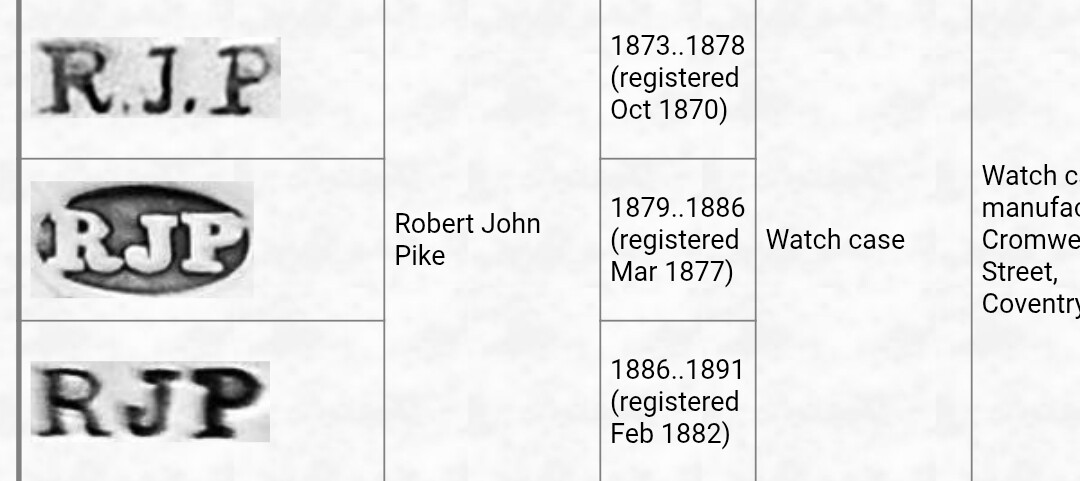
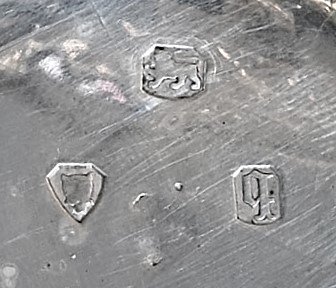
Hope I’ve got this right !! London RJP Robert John Pike, the watchcase maker  . Year mark looks to be a lowercase Q but I’m not certain as to which year !!!
2 Likes

“RJP” below the production number on the case indicates the case maker is Robert James Pike.
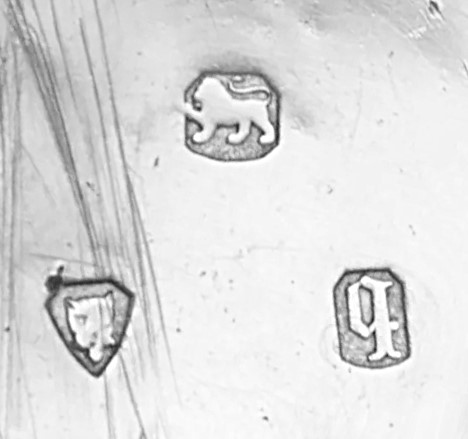
The other marks are the leopard mask for London Assay office and what appears to be a gothic lower case “h” which would indicates a date of assay for 1863. The standing lion(passant) is the sterling mark
But this does not tell us who made the watch which may well have been imported from the Swiss cantons where they had production lines enabling mass production of very good quality work putting the English clock and watch horologists out of business for the middle and lower end of their own market.
If you open the case up you should be able to find more information about the place of origin
CRWW
3 Likes
Sorry I didn’t see when posting you had already answered the question. If the website I have referred to is correct then the silver makers marks date range may need to be extended or else this isn’t a gothic lower case"h" at all, but the next lower case “h” date letter for London isn’t until 1903 and Pike had already shuffled off this mortal coil (apt for watchmakers) by then.
CRWW
3 Likes
So I took another look at the date letter and decided you are right it is a lower case gothic “q” which would be 1871. Which fits better since the mark was registered the previous year
CRWW
3 Likes


In anticipation the forum will get a picture of the opened case and the works, I explored further the state of watch production in the UK, the US and Switzerland which goes a long way to explaining why a Coventry case maker like Pike was conducting a successful business.
Why for instance couldn’t Swiss or American watchmakers manufacture their own cases?They were doing all the hard work of making the works, the case is relatively simple.
This case encloses a fairly straightforward watch with a separate second hand.
The only thing tricky about it is the engraving and numbers apparently stamped out and added after the case itself was manufactured. Did Page do that work or was the case blank assayed in London and then sent back to Switzerland to have the engraving work done andthe works inserted?
The general public understood the meaning of the silver mark – the lion passant – but did they also know this only applied to the case and didn’t even necessarily relate to the numerals attached to it leave alone the works which were base metal?
Here’s a useful work on the problems created by English Assay marks on what is essentially foreign work and the legislative attempts to address the problems and how it fails.
Foreign watches with British hallmarks.
CRWW
2 Likes
I’m glad you and Bart came along to verify my attempt at identity, because at first I started to wonder why they’d stamped a reverse letter P !!! . I’m such a Numpty sometimes  .
.
Have a blessed day y’all 
1 Like
Hello, British casemakers are common for Swiss watches due to tax reasons: the mechanisms were taxed less than the complete watches. So British casemakers ( and American ones) are common for Swiss watches. The mechanisms themselves were taxed based on the amount of jewels (usually rubies) were in the mechanism.
Thanks for reading.
If possible can we have an image of the inside of the watch?
Please show us the caseback or the cuvette, if there is one. Thanks
2 Likes
Thank you for your very useful comments.
During the 19th century, British policy on watch imports shifted from taxation toward free trade, though specific regulatory measures were introduced later in the century to protect the domestic industry from foreign competition.
The disastrous “Duties on Clocks and Watches Act 1797”—which taxed gold watches at 10 shillings and silver at 2s. 6d.—was repealed in April 1798 after it caused a massive decline in demand and widespread unemployment.
By the 1840s, Britain adopted a general policy of free trade, eliminating or reducing most import tariffs.
To address the influx of foreign watches, the Customs and Inland Revenue Act 1883 required imported gold and silver watch cases to be marked with an additional letter “F” (signifying “Foreign”) to distinguish them from British-made products.
High import duties (33⅓%) on watches were not re-imposed until 1915 as part of war efforts.
Throughout most of the 19th century, there was no high protective tariff on imported watches; rather, the focus seems to have been on ensuring foreign watches were identifiable as such through hallmarking.
1 Like
Thanks, it’s funny that: stamp it F
Strange really; I am sure the F stamped watches were less valuable when new but as far as watches from the 20th century go; the ones affected by import/export fees and subsequently perhaps cased elsewhere than Switzerland; are less valuable, by a large margin, usually.
Perhaps that’s due to the Swiss cornering the wristwatch market because I personally prefer American pocketwatches
Thanks for reading
1 Like
You are corect. That was the problem with the F stamp. It was avoided and evaded. And it was that factor which gave rise to the UK Case industry.
This is covered in detail in the first post I linked dealing with foreign clocks and watches.
CRWW
1 Like