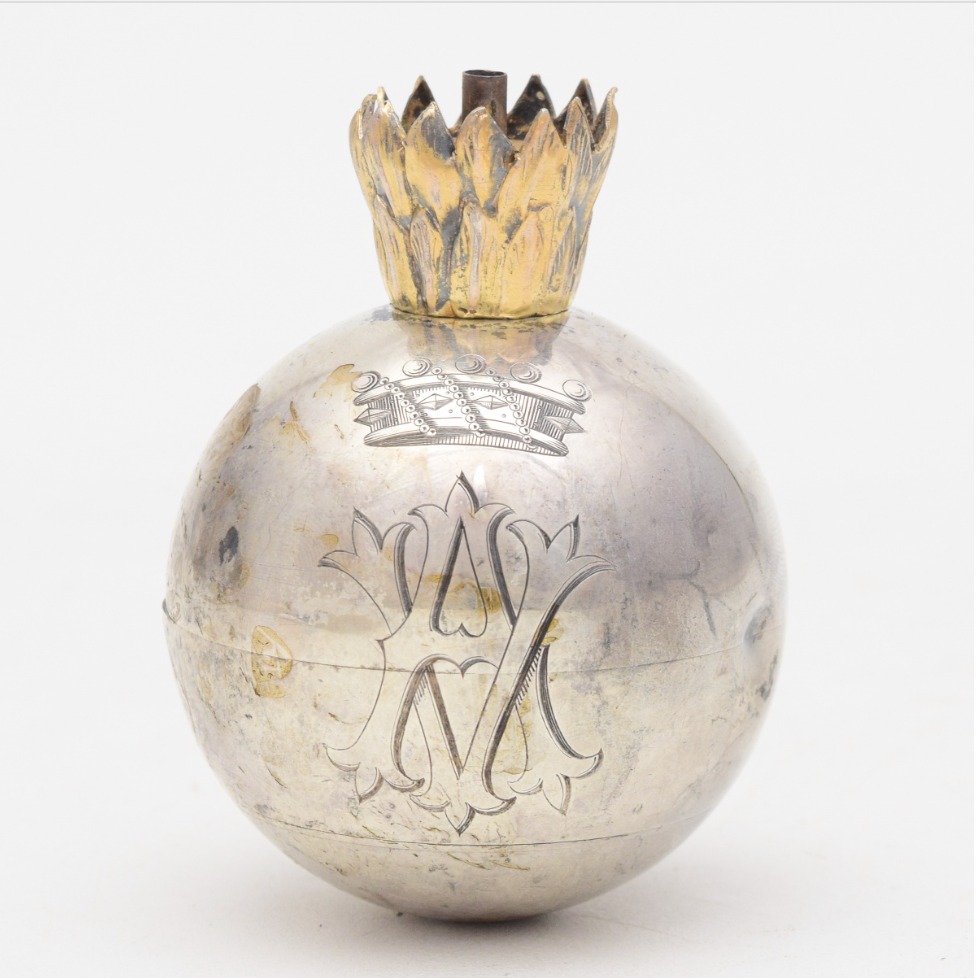
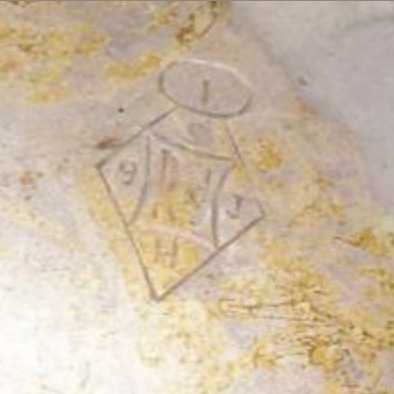
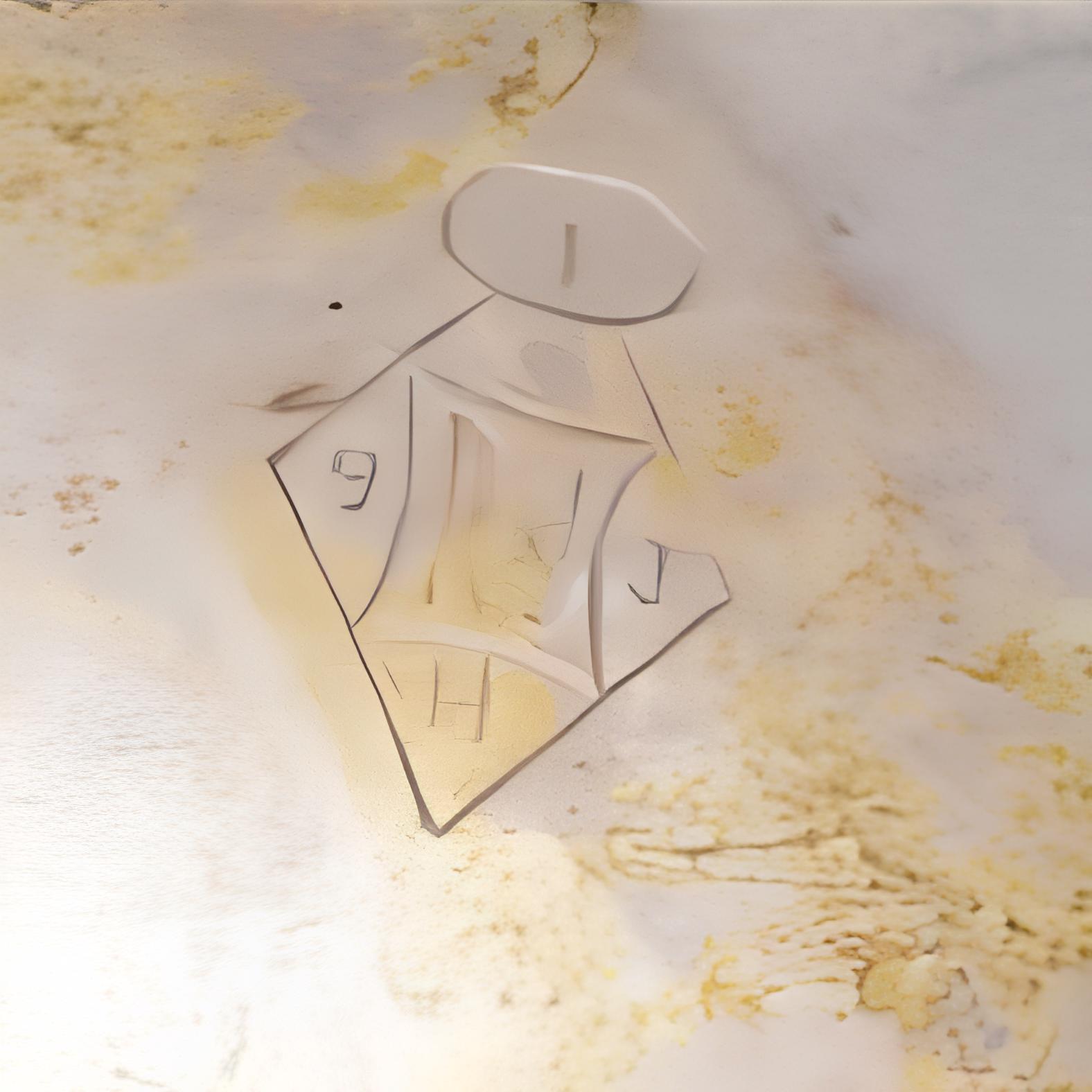
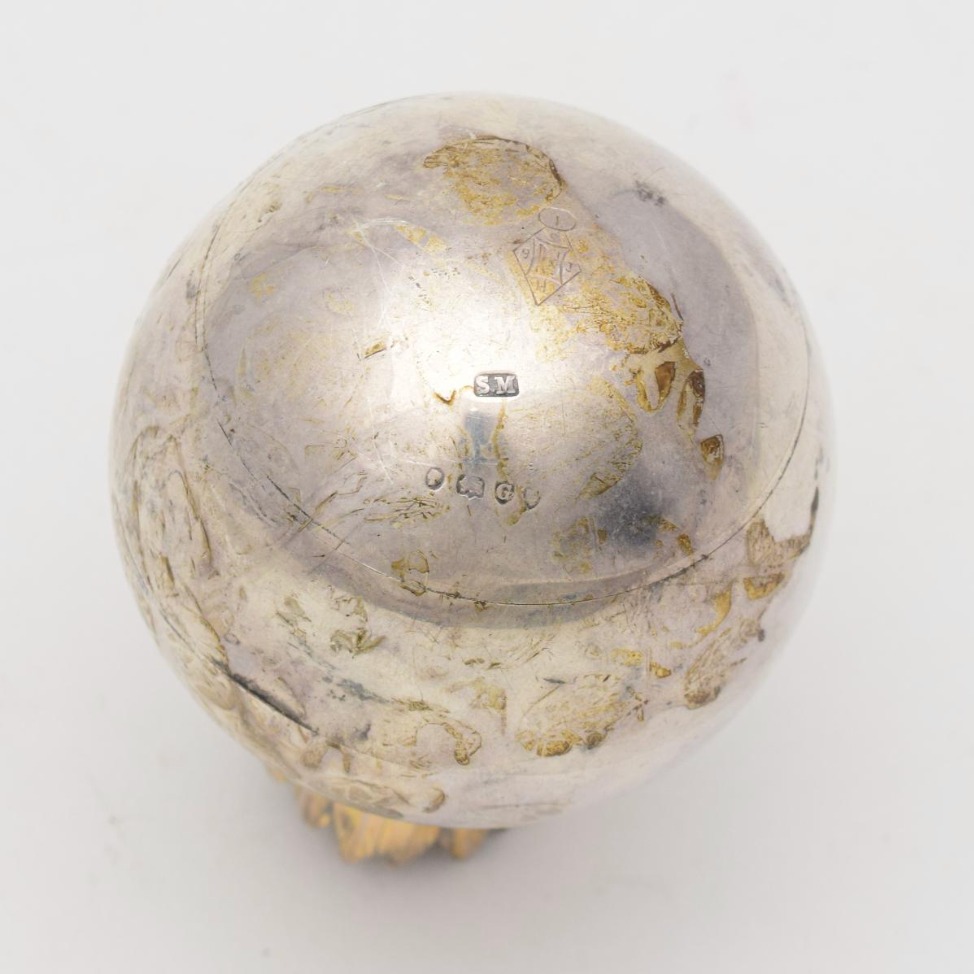
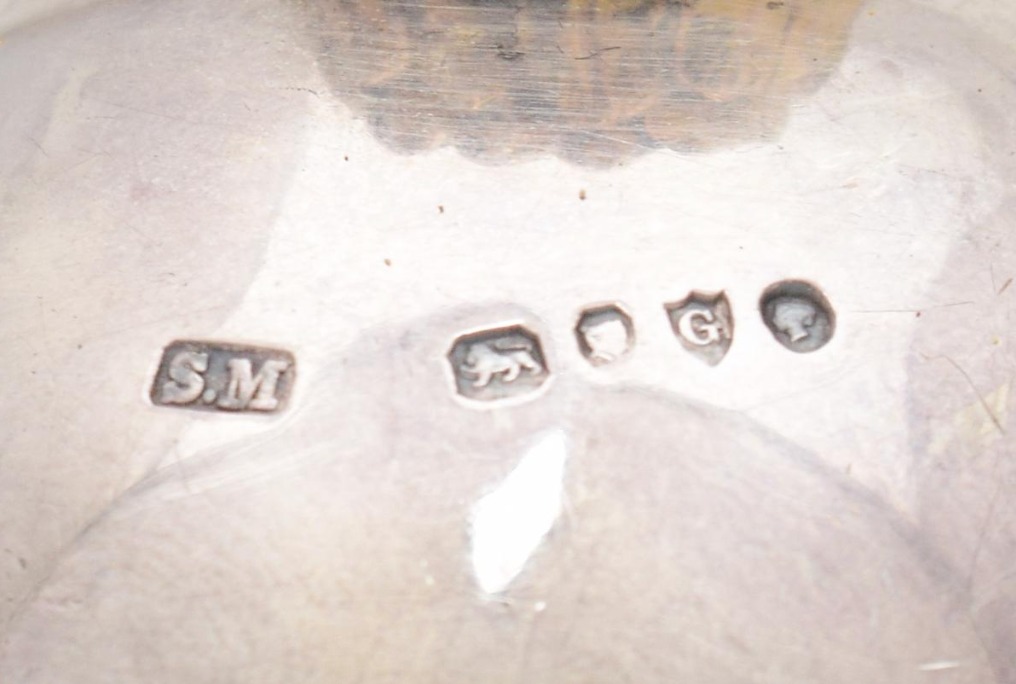
I know this lamp was made in London in 1882 by the silver hallmark, but it has a mark on the bottom that’s similar to what I associate with silver-plated items, but a Google search also showed it on silver-plated items and porcelain items. Unfortunately, I don’t have better photos. I’ve included an AI-enhanced image.
2 Likes
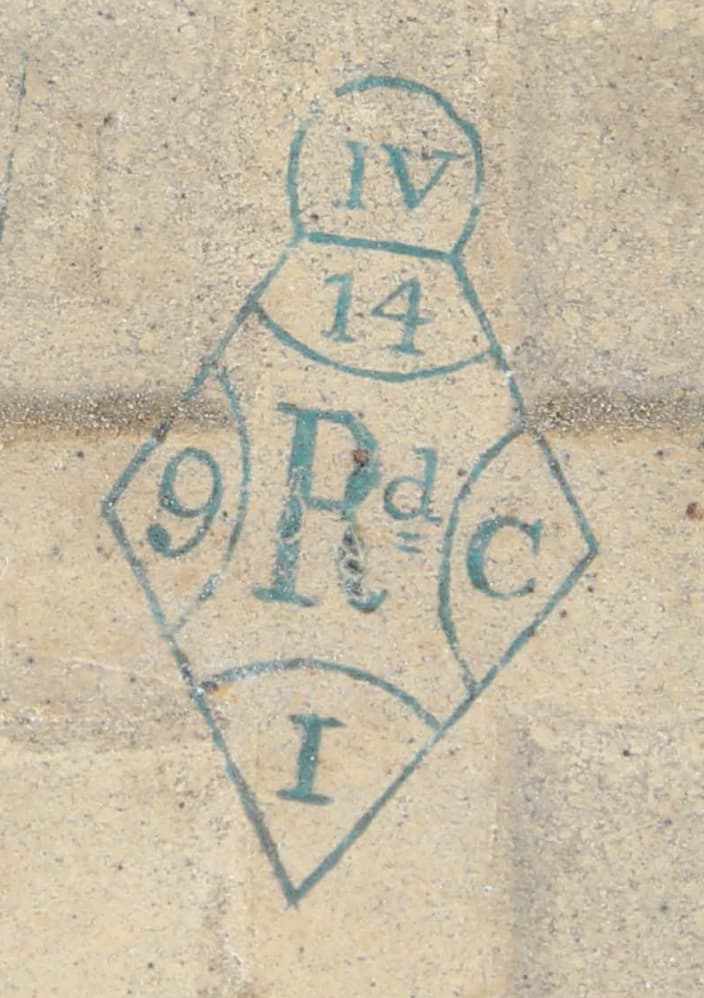
It’s a design registration number. For a guide to reading them see British Registry Date Numbers - at 925-1000.com
3 Likes
Thank you very much Phil!
2 Likes
I - class (metal), 9 - parcel, 5 - day, J - year (1880), H - month (April).
Sampson Mordan, London.
2 Likes
That’s quite a price variation for the same object, more or less, from £190 at auction to £775 at Steppes.
Do you suppose the makers sold these as Grenade lighters for cigar smokers?
I don’t smoke cigars or anything else but if I did I rather think the last thing I would seek to light it would be a hand grenade.
So far as I can see the late Victorians soldiers. — Grenadiers?— were a highly mobile force so grenades rather fell out of favour around the time these items were being mass produced by the jeweller.
We needed trench warfare in 1914 and thereafter to make them popular again.
So I wonder if the term “grenade lighter” might not be a modern construct rather than the original marketing nomenclature?
CRWW
1 Like
The answer appears to be they were called fusee boxes or slow match lighters. And apparently were carried around in smaller versions prior to the invention of the striker match or flint lighter.
This was presumably a table top model for those wanting to sit around and drink port and smoke cigars in the mess or private house after dinner.
I have always thought you needed to be slightly mad to become a Victorian soldier so, given the number of mess halls and soldiers, this design would have certain cachet.
CRWW
1 Like