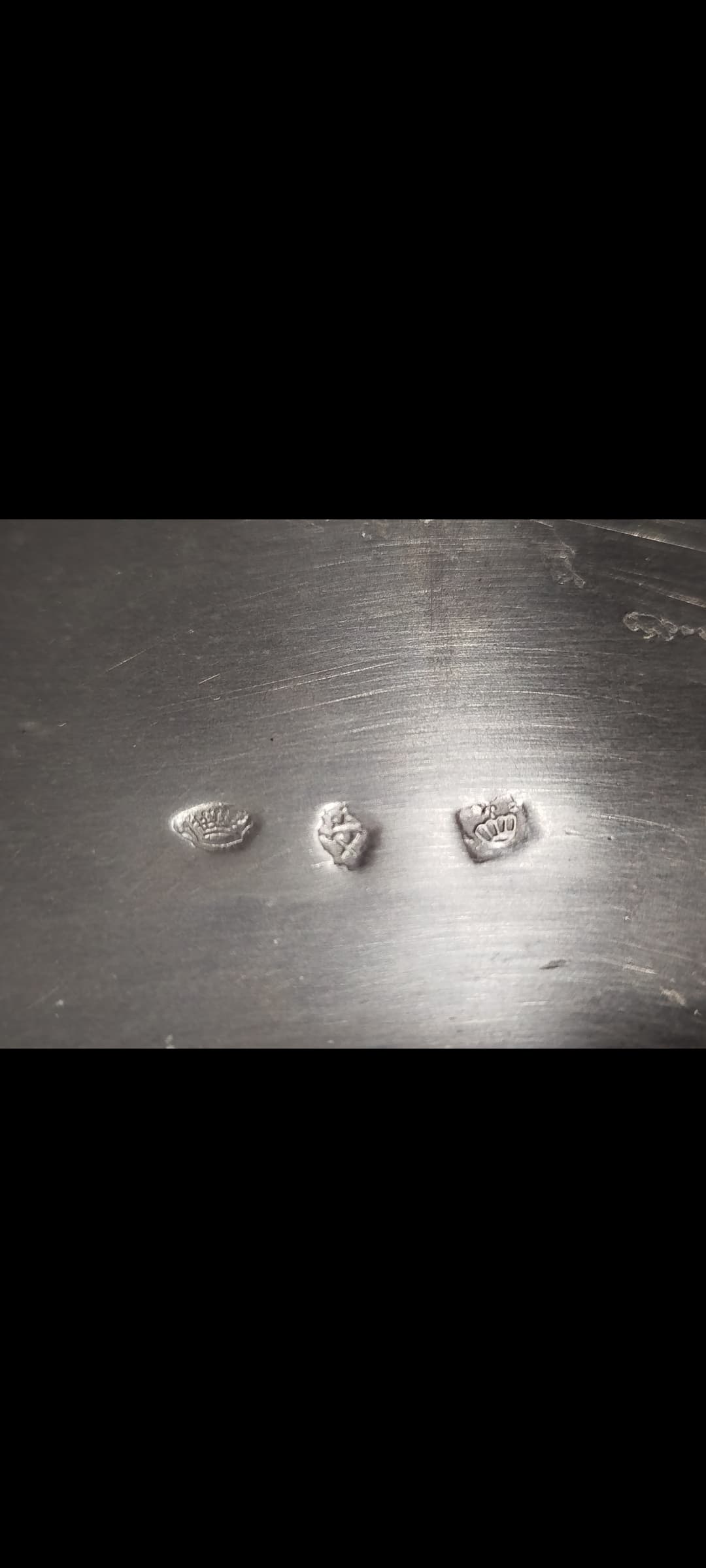
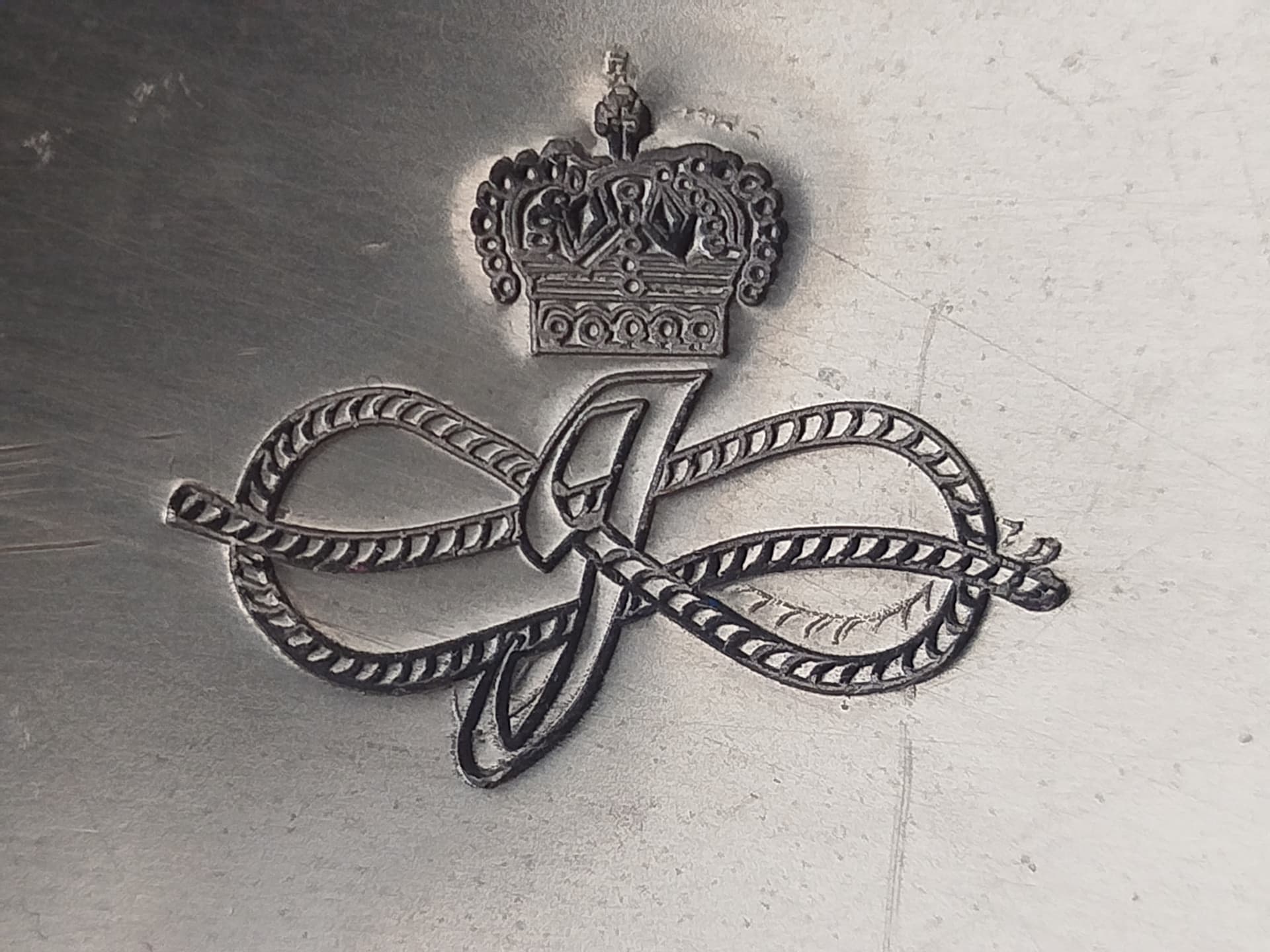
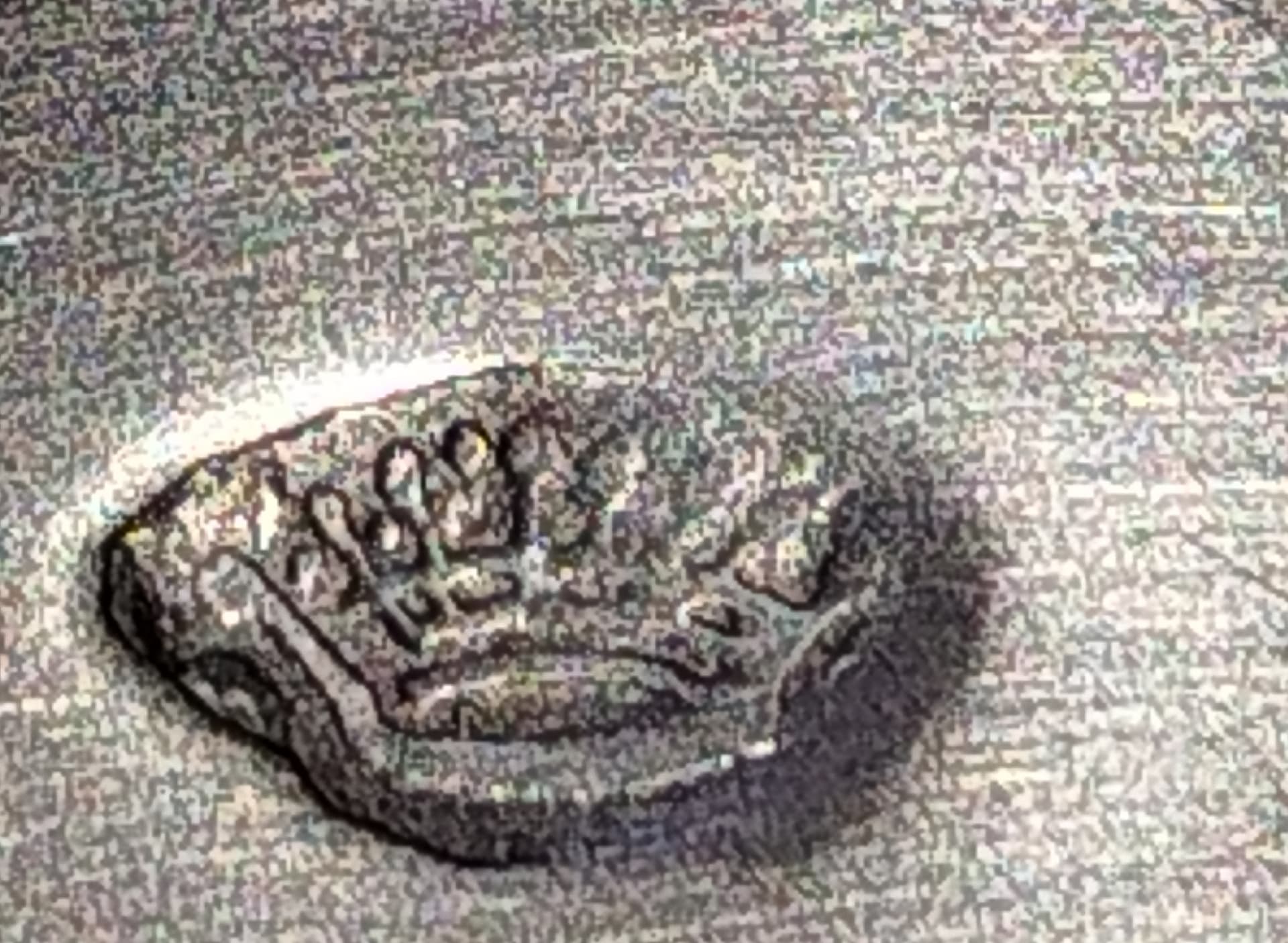
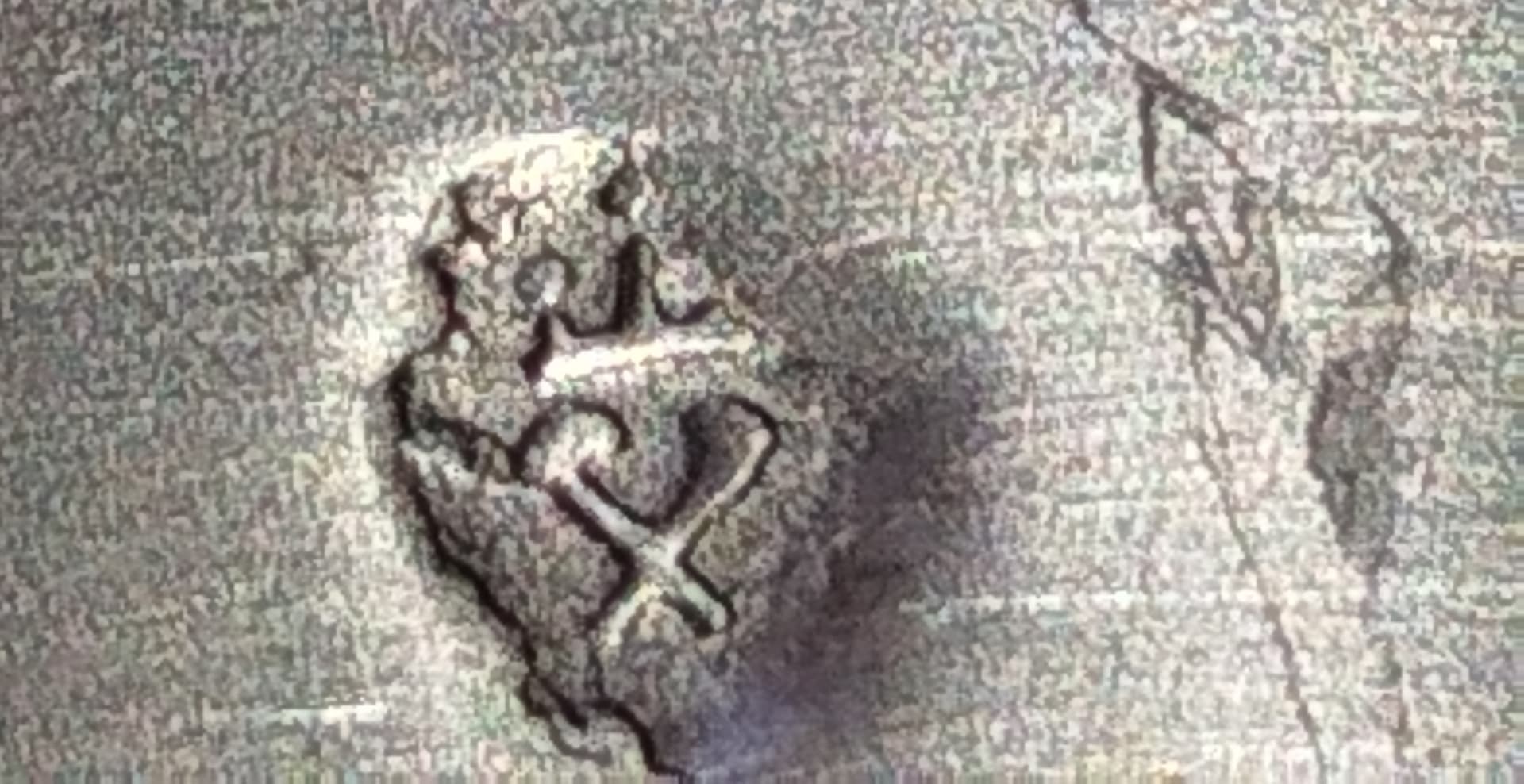
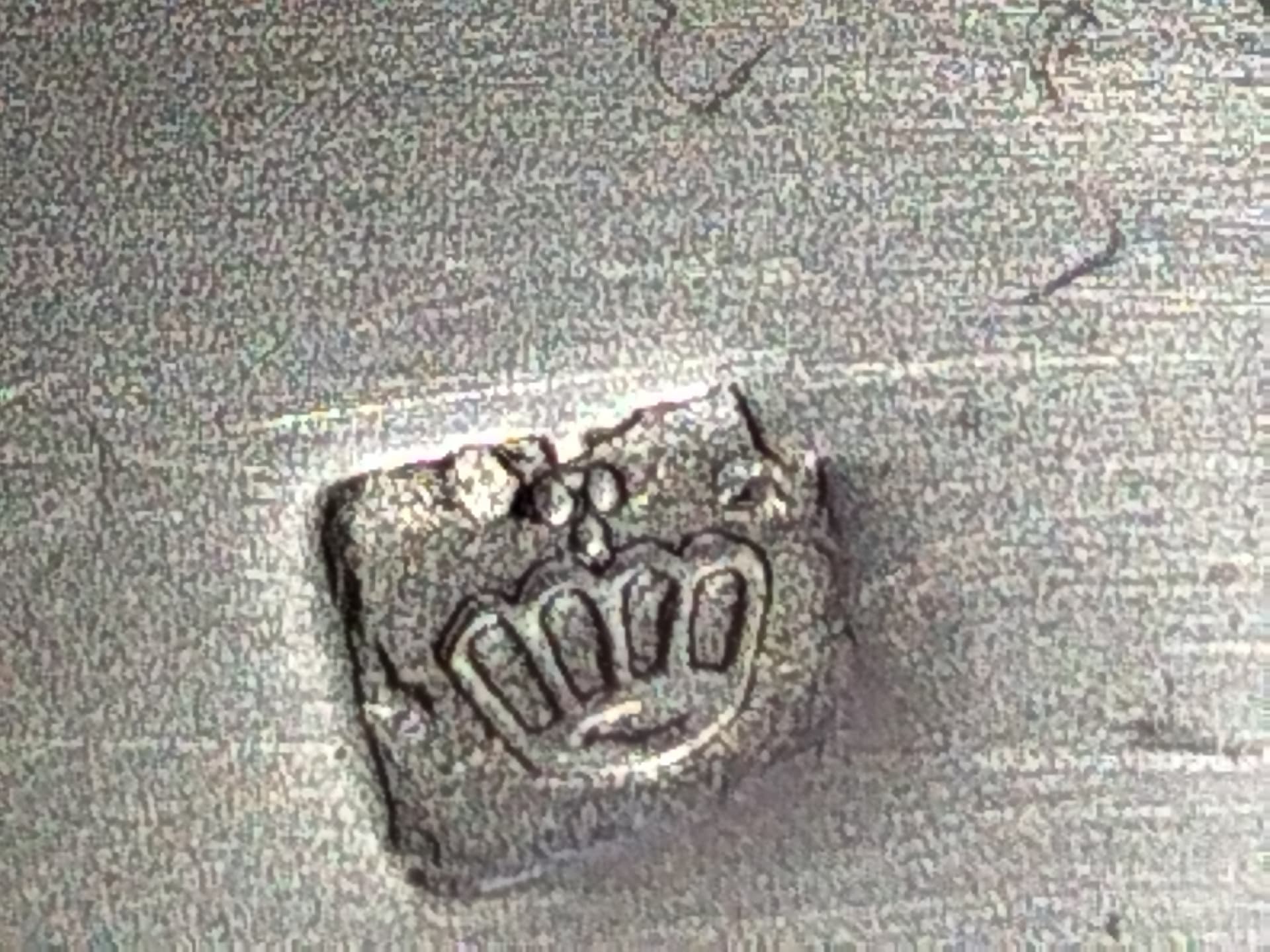
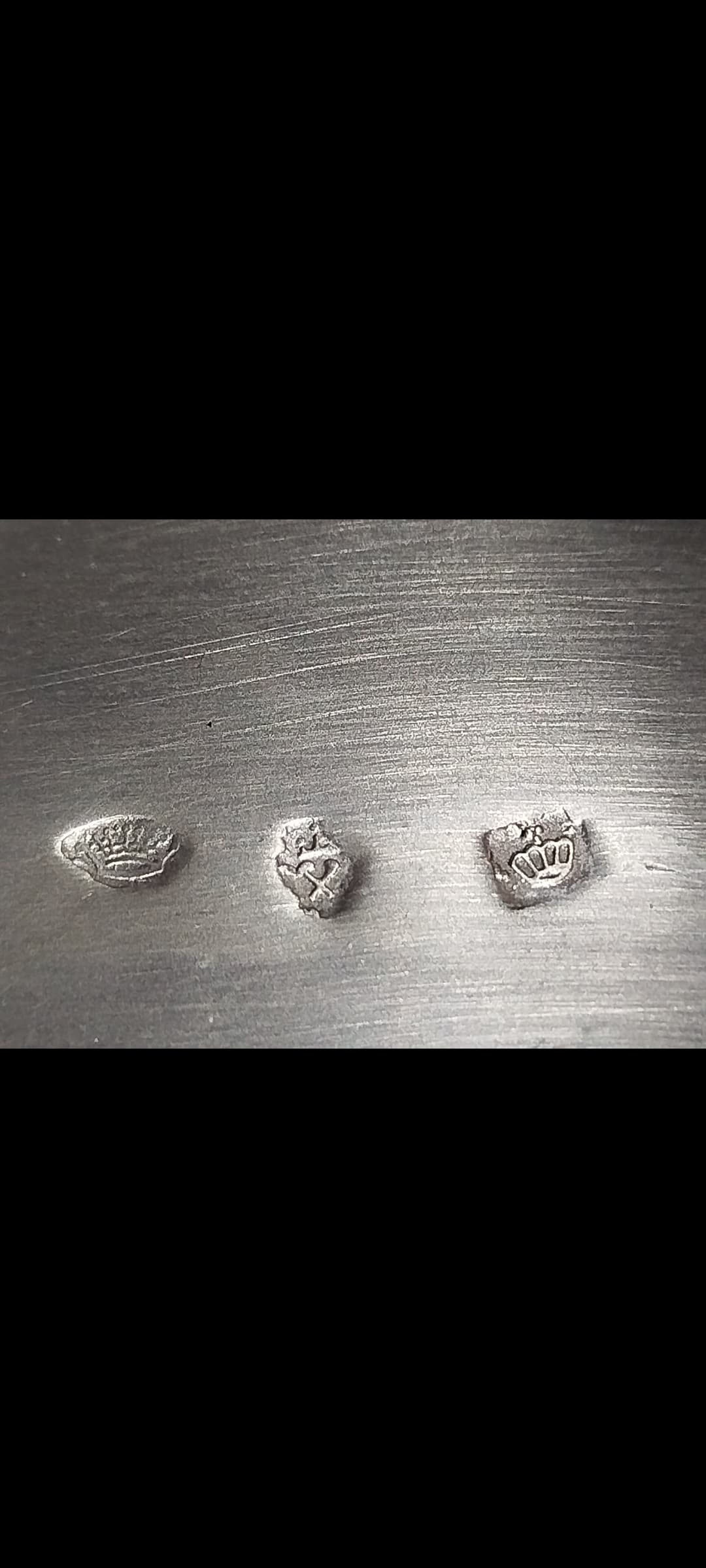
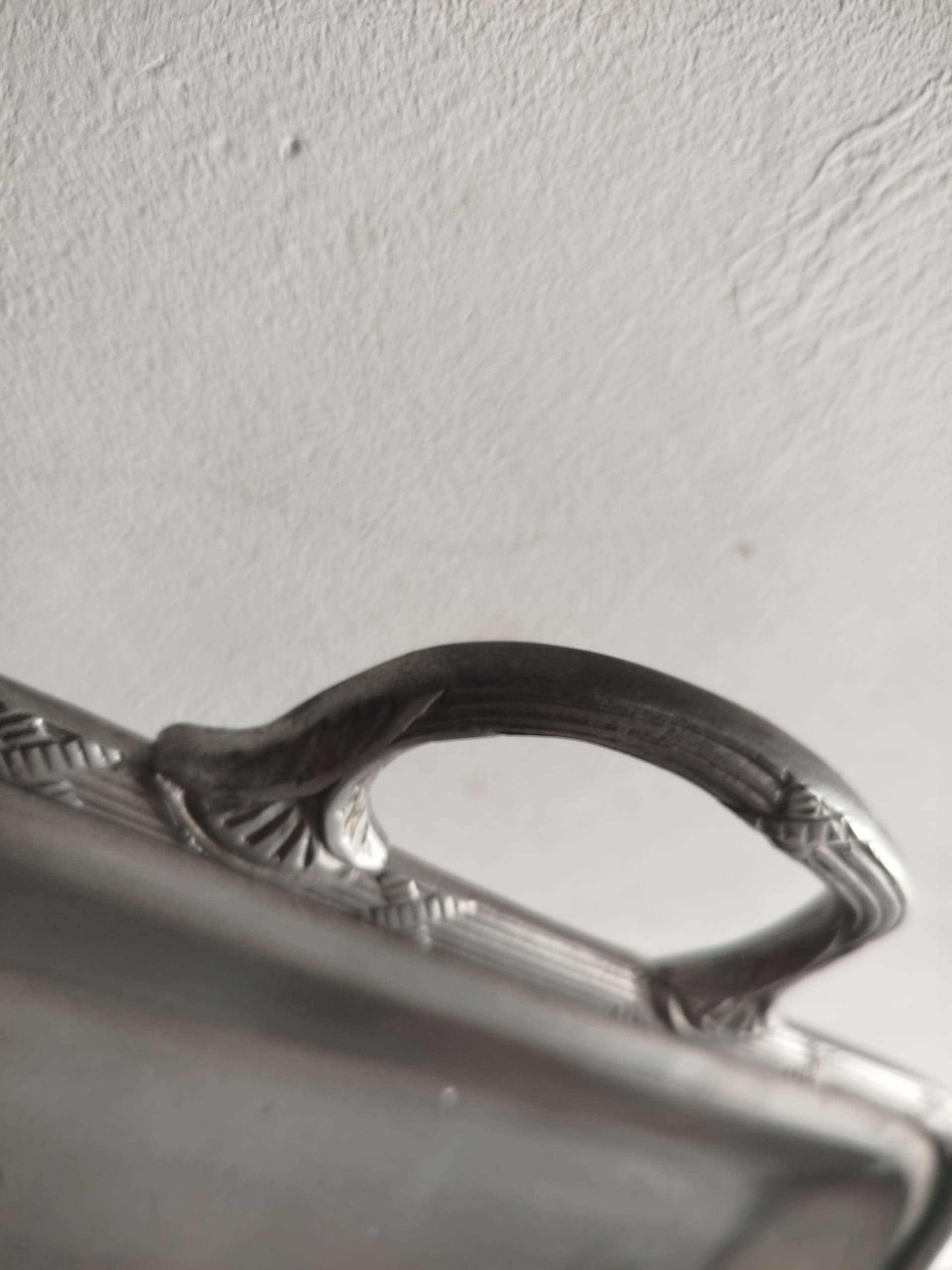
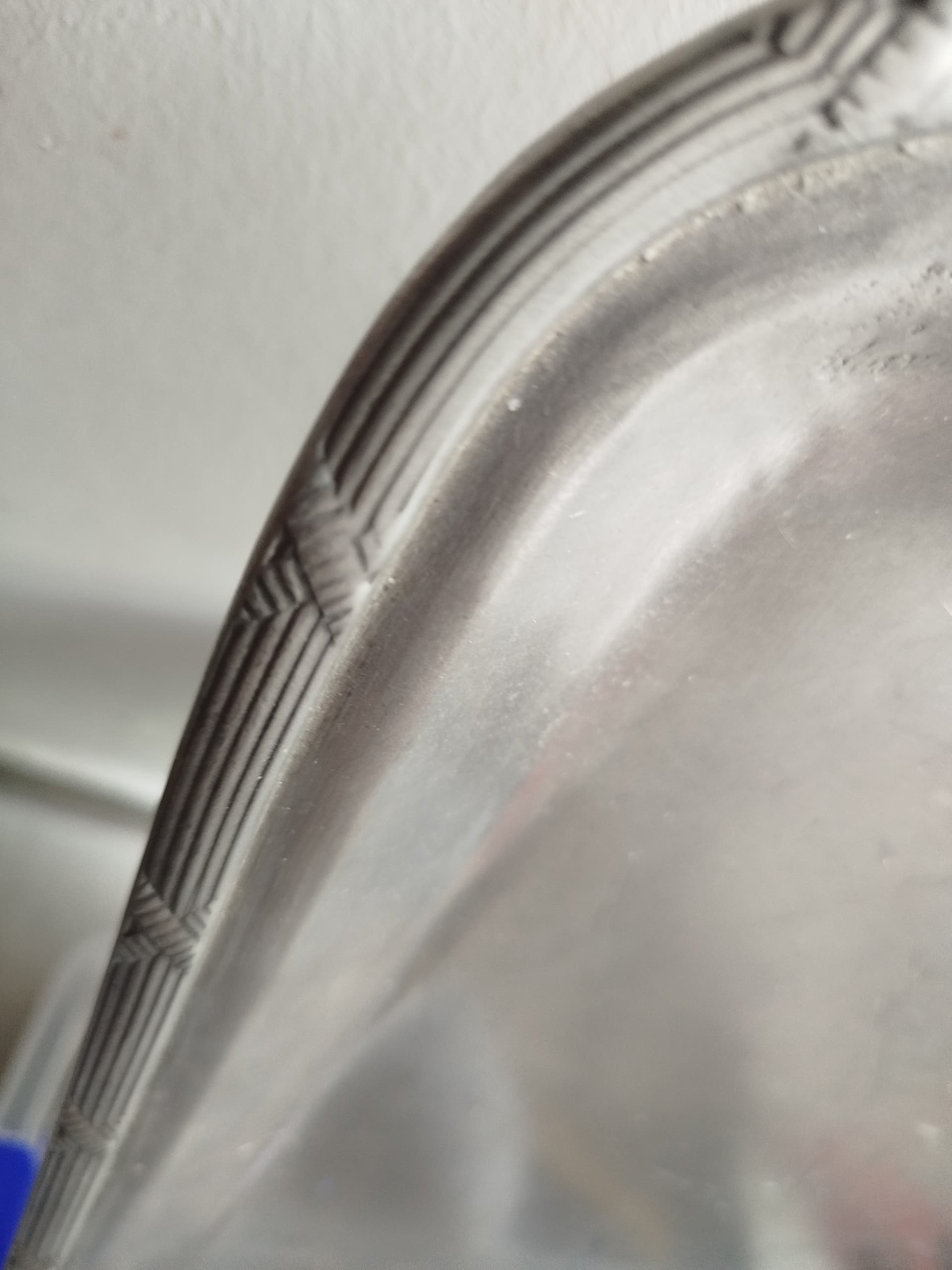
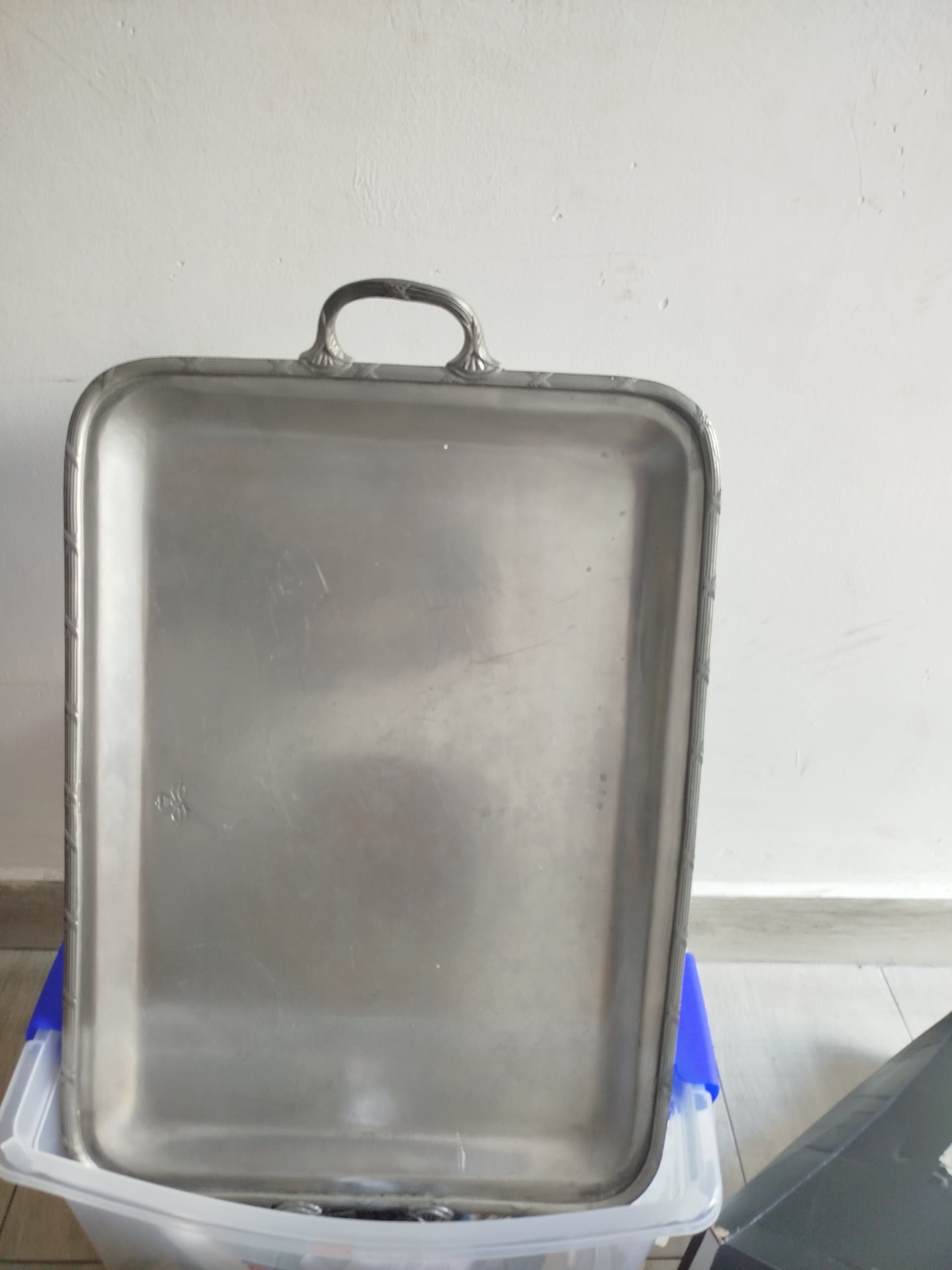
Hello friends  I recently inherited an item and I have some questions since I can’t find any information about it. To highlight a few points: It’s not magnetic It’s not malleable, so I don’t think it’s stainless steel. When you file it down a bit, the base metal is shiny gray. When you pour AG acid (the silver tester), the red acid turns it dark black. It’s not nickel silver, since otherwise it would turn blue or green. It’s not brass or copper, given the color. I’ve been told it could be from the 1800s, before the Minerva seal. And it’s quite heavy.

2 Likes
Welcome to this wonderful forum Marii , I’m certain your marks will be attended to and identified very soon. Could you by any chance post a pic of the whole item as most times it can identify the place and person of manufacture, thank you 
2 Likes
Good morning, thank you so much for my welcome I’ll be watching for notifications for this post, as I’m very interested in learning more about the tray. I’ve attached new images. Best regards.
2 Likes
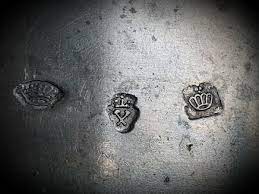
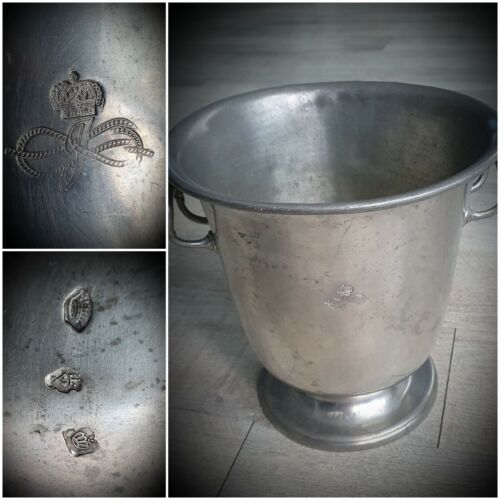
Hello, how are you? I looked at those two ads, and I see the word “argento” in both. Is it solid silver or silver-plated?
Is it known when this company was founded? I believe the tray dates back much further than 1930, and it weighs quite a bit (4 kg).
I also want to highlight that I filed the tray and poured red acid AG on it to check for silver. The tray is NOT magnetic. I tested it with a very strong neodymium magnet. The result of the acid was a deep black color without going through other colors… I’ve already tried other products and got red for 925-800 silver, blue and green for silver-plated or silver-plated products, and yellow for products without reaction, so we ruled out metal, steel, nickel silver, brass, or copper. It’s not etching either, since etching reacts differently, is a different color, and is more malleable… The inside of the tray after filing it was a somewhat shiny gray. I looked online and there are sites that say that high-quality silver, especially antique silver, sometimes reacts black, and it’s usually due to a different alloy than modern ones. I don’t know how true that is.
2 Likes
Just click the links above.
2 Likes
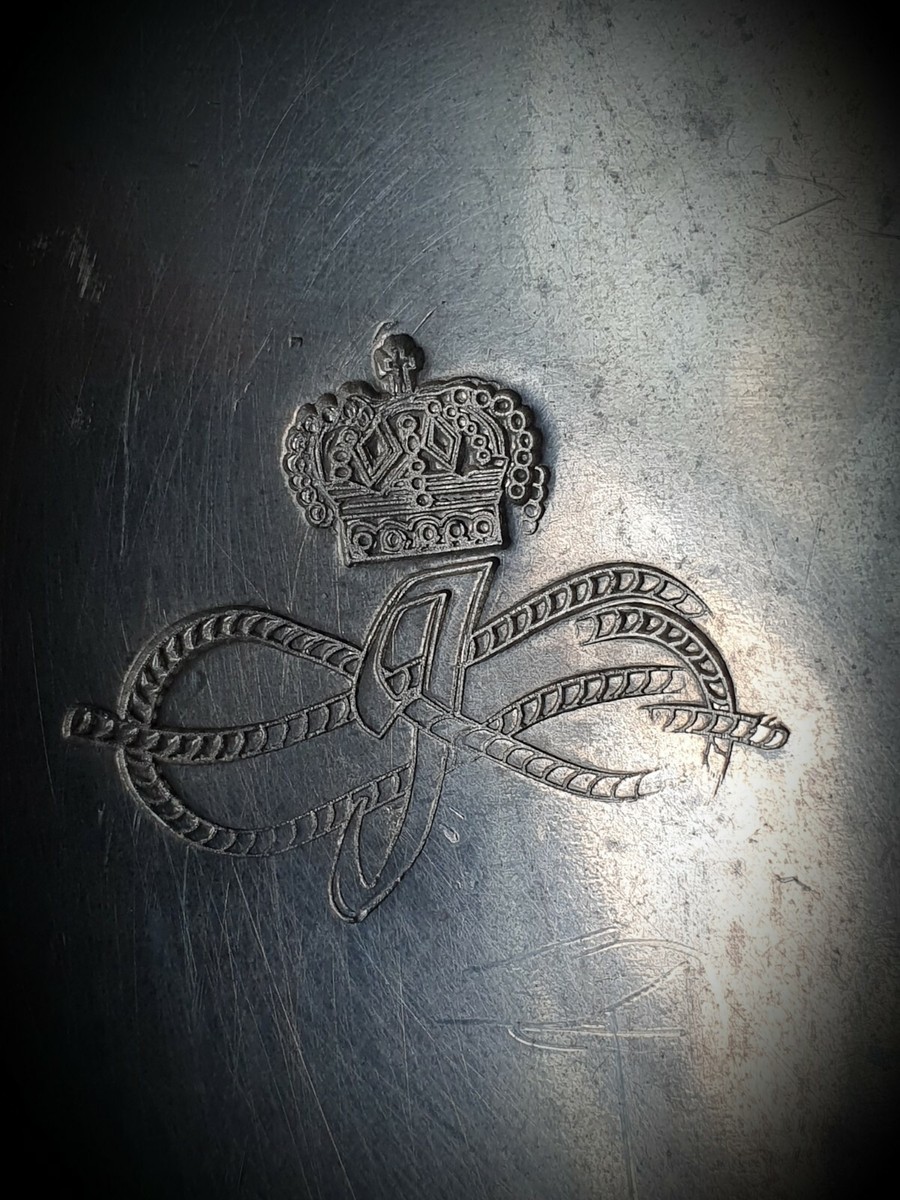
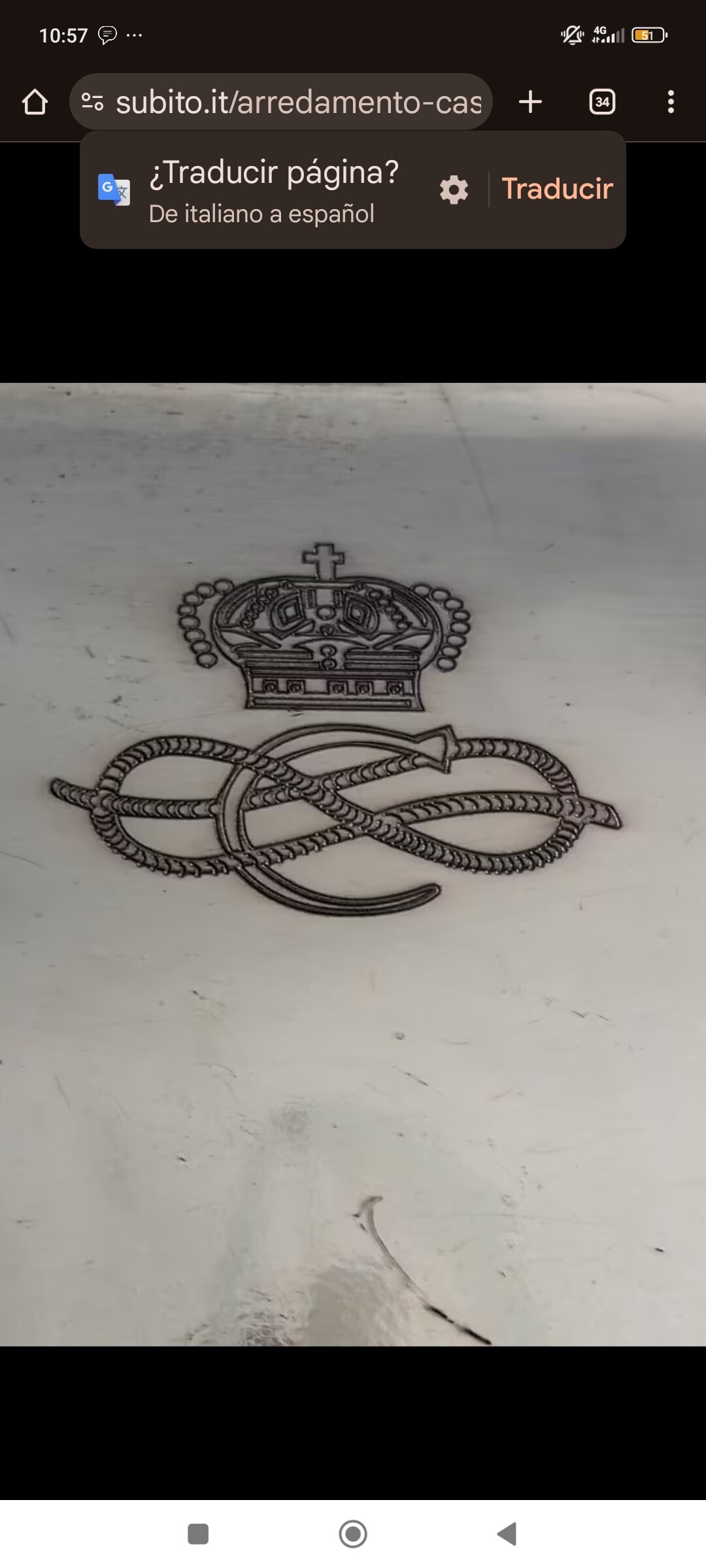
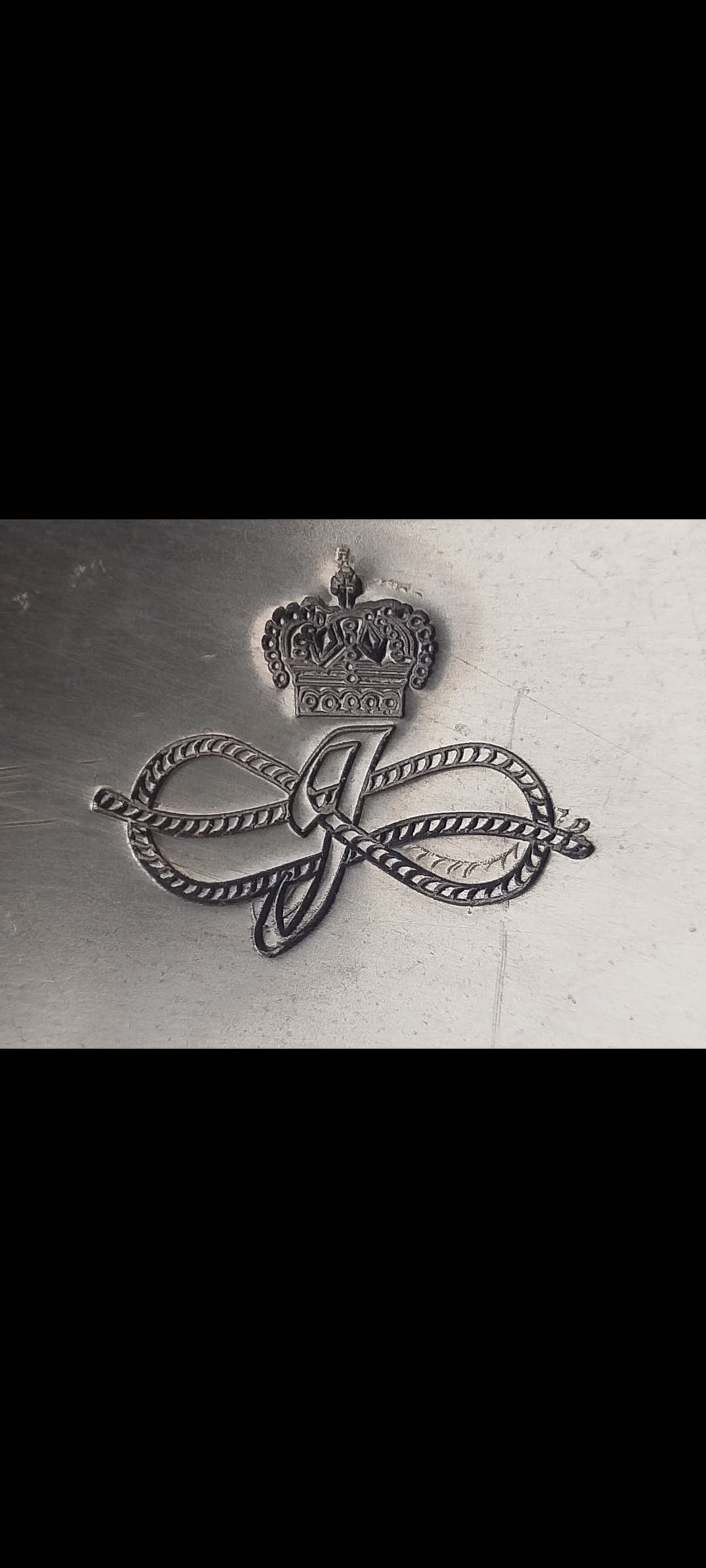
Hi, I clicked on the link, but they’re completely different things. The first image is from the online image, and the second is mine. They’re completely different monograms… in fact, the image of the first monogram doesn’t look like an engraving, but rather a simple drawing or something superficial. The crown, the typography, and many other things are different. It looks like a replica of the second image, which is a real stitch and looks much more realistic. They look similar, but they’re completely different.
2 Likes
I’m sorry I don’t always provide a ready-made and certain answer. I encourage you to do your own research.
Notice that the signatures depicting two crowns and what appears to be crossed keys appear on items with both the letter C and J (savoy knot).
2 Likes
I’ll do that, and keep investigating. I’ve noticed the same puncture marks, but the fact that mine has a punched monogram or a stamp, and the other one’s C appears as a simple drawing, makes me think a lot. I’ll keep investigating and running tests… I’ll let you know if anything new comes up.
2 Likes
Marii, I’m glad you’re not giving up. I hope help from others will arrive soon, and we have a group of outstanding specialists here. I’m just a humble detective. 
2 Likes
I’ll keep investigating. I’ve checked the website. It’s very interesting, but the exact monogram I have doesn’t appear. Thank you very much for your time.
1 Like